Repurposed Pills - Page 3

Paragraph IV Certifications: How Generic Drug Makers Legally Challenge Brand Patents
Paragraph IV certifications let generic drug makers legally challenge brand-name patents before market entry. This Hatch-Waxman Act tool drives competition, saves billions, and offers 180-day exclusivity to winners - but only if they navigate complex legal risks.
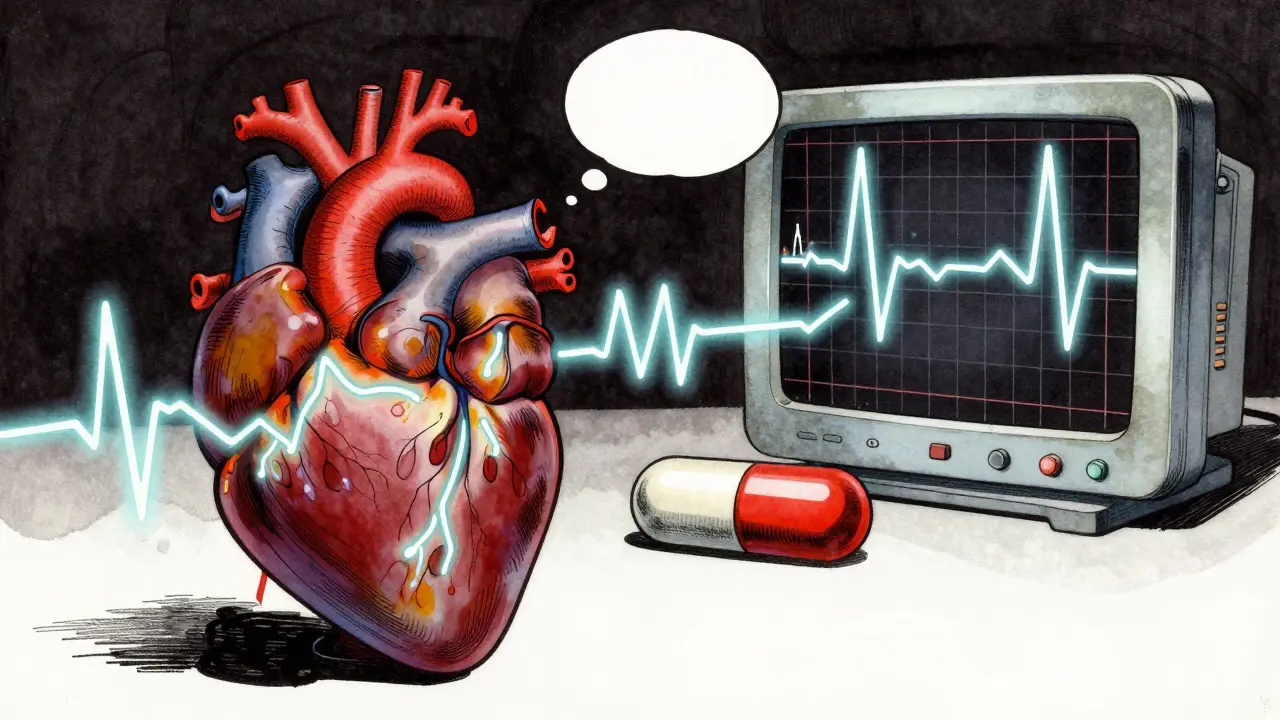
Methadone and QT Prolongation: Essential ECG Monitoring Guidelines
Methadone can prolong the QT interval, raising the risk of dangerous heart rhythms. Learn when ECG monitoring is needed, who's at highest risk, and how to stay safe while using methadone for opioid dependence.

Active Ingredients: Are Generic Drugs Really the Same as Brand-Name Drugs?
Generic drugs contain the same active ingredients as brand-name drugs and are proven to work just as well. They cost up to 85% less, saving patients billions annually. Learn why generics are safe, effective, and often the best choice.

Otitis Externa: Swimmer’s Ear Causes and Drops That Actually Work
Otitis externa, or swimmer's ear, is a painful outer ear infection often triggered by water exposure. Learn the real causes, which ear drops actually work, how to use them right, and how to prevent recurrence - backed by clinical data and expert guidelines.
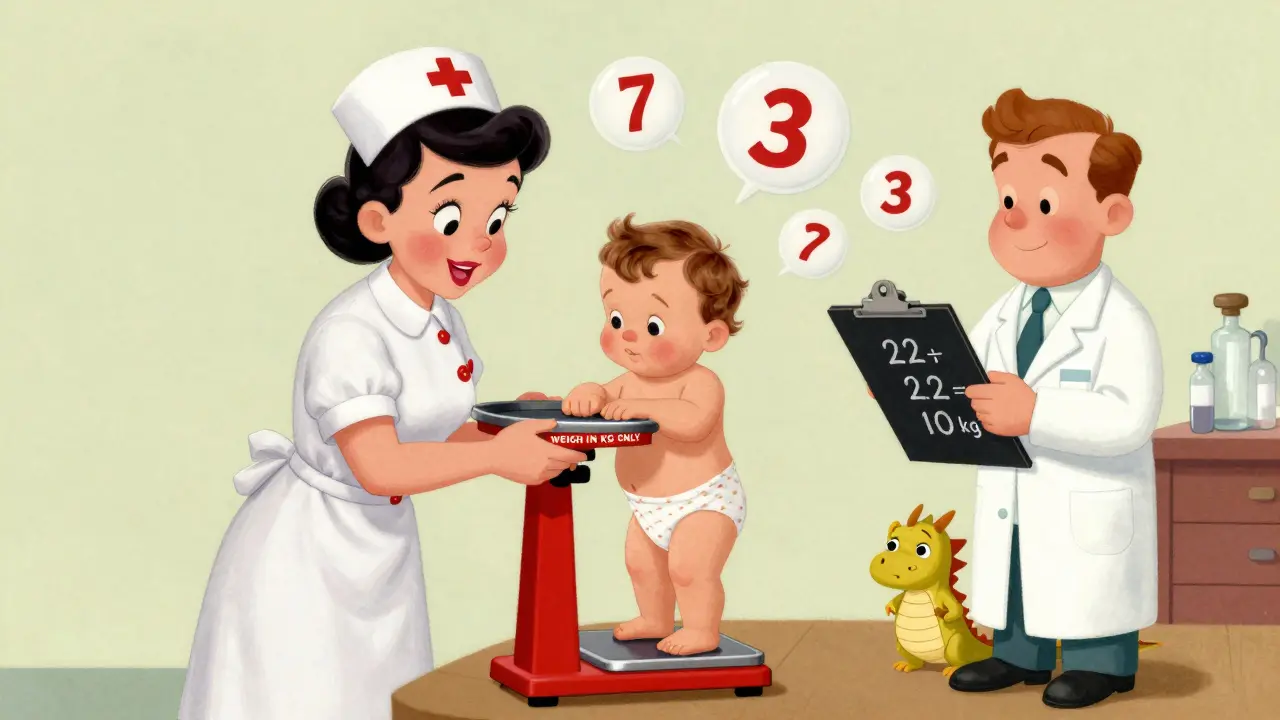
Pediatric Dosing: Weight-Based Calculations and Double-Checks for Safer Medication Use
Weight-based pediatric dosing is the gold standard for safe medication use in children. Learn how to calculate mg/kg doses correctly, why double-checks save lives, and when weight alone isn't enough.

SSRI Antidepressants: How They Work and Common Side Effects
SSRIs are the most prescribed antidepressants worldwide. Learn how they work in the brain, what side effects to expect, why they take weeks to work, and how they compare to other treatments.

Out-of-Pocket Costs: How Generics Cut Your Medication Bills by Up to 95%
Generics cut prescription costs by up to 95%, yet many Americans still overpay due to insurance tiers and pharmacy markups. Learn how to save hundreds on everyday medications.
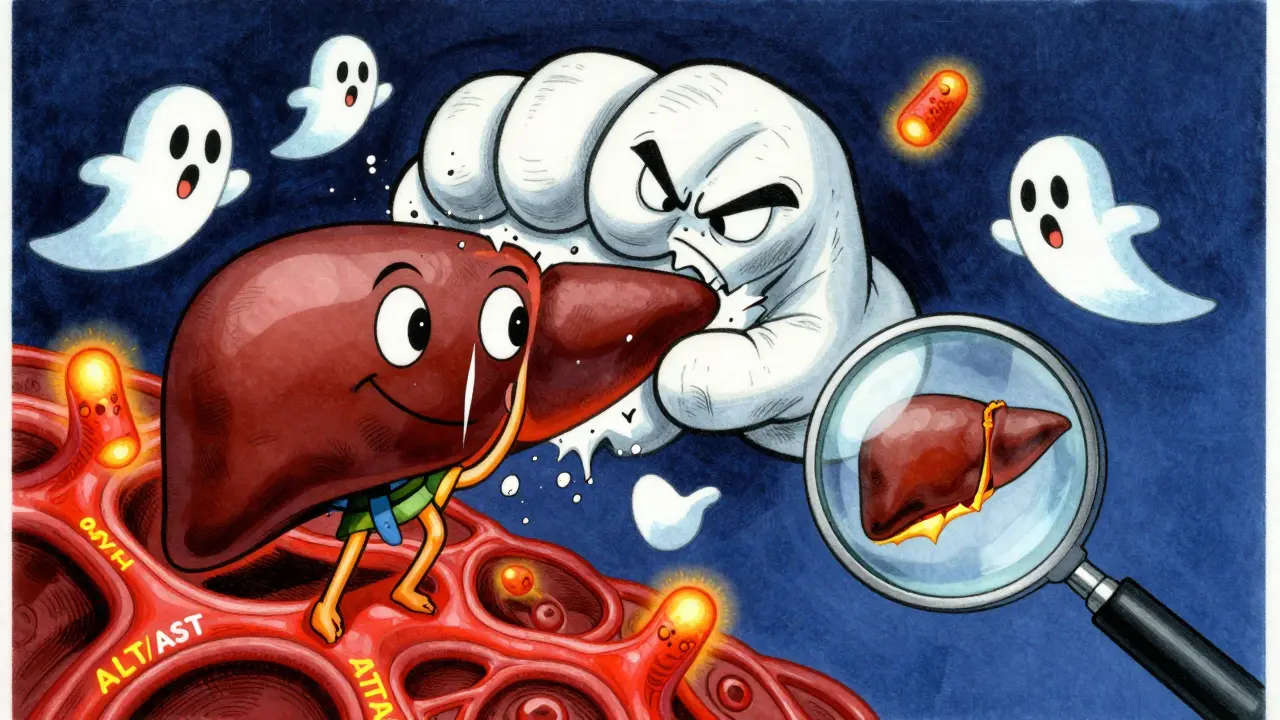
Autoimmune Hepatitis: How Diagnosis, Steroids, and Azathioprine Work Together
Autoimmune hepatitis is a chronic liver disease where the immune system attacks the liver. Diagnosis requires blood tests and a biopsy. Steroids and azathioprine are the standard treatment, reducing inflammation and preventing liver damage. Side effects are common, but combination therapy improves outcomes.

Lot-to-Lot Variability in Biologics and Biosimilars: What You Need to Know
Lot-to-lot variability is a natural part of biologics and biosimilars due to their complex manufacturing. Unlike generics, these drugs aren't identical between batches - but they're rigorously tested to ensure safety and effectiveness.
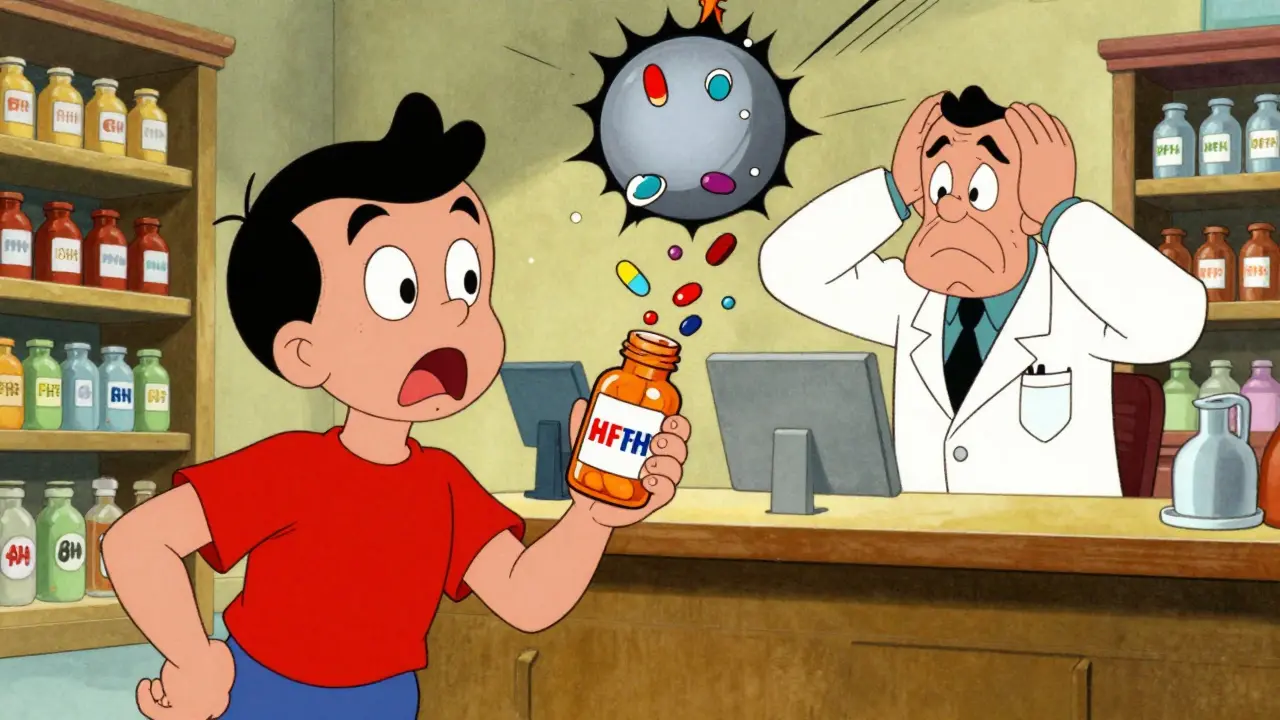
What to Do If You Receive the Wrong Medication from the Pharmacy: Immediate Steps and Legal Rights
If you receive the wrong medication from the pharmacy, act fast: stop taking it, call your doctor, preserve evidence, and report the error. Know your rights and how to protect yourself legally.
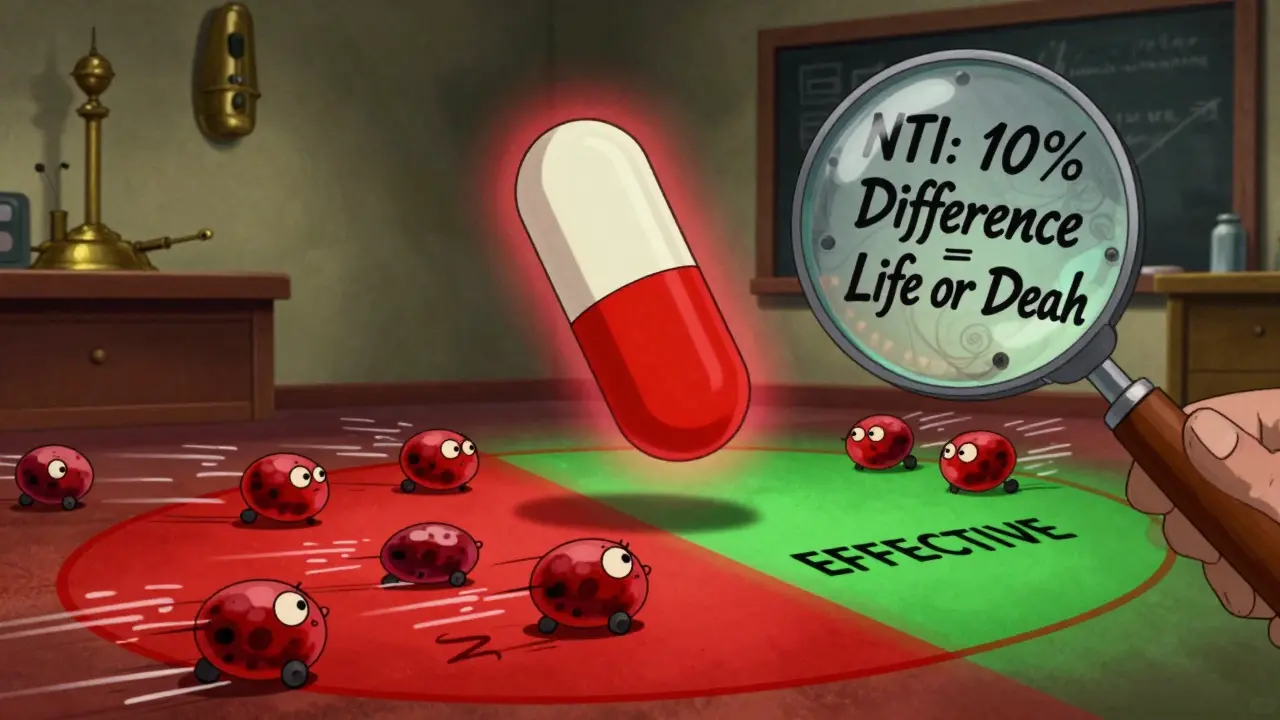
Narrow Therapeutic Index Drugs: Why Bioequivalence Rules Are Tighter for These Medications
Narrow therapeutic index drugs require stricter bioequivalence standards because small differences in dosage can cause serious harm. Learn how the FDA, EMA, and Health Canada regulate generics like warfarin, levothyroxine, and digoxin to ensure patient safety.

Graves’ Disease: Understanding Autoimmune Hyperthyroidism and the Role of PTU Treatment
Graves’ disease is an autoimmune disorder causing hyperthyroidism, often treated with PTU, especially in early pregnancy. Learn how it works, why PTU is used despite risks, and what alternatives exist.