Health & Wellness Resources for Everyday Life
Looking for simple ways to stay healthy without spending hours on Google? You’re in the right spot. This page gathers the most useful advice from our articles, covering everything from ordering medicines safely to dealing with travel annoyances and common skin problems.
Buying Medications Online Safely
Ordering prescription drugs online can feel risky, but it doesn’t have to be. First, make sure the pharmacy asks for a valid prescription. If a site offers a drug without one, walk away – that’s a red flag. Check if the pharmacy displays a physical address and a UK registration number; you can verify those details on the regulator’s website.
Price comparison is key. Look at a few reputable sites, note the cost of the medication and the shipping fee, and factor in any discounts for bulk orders. Many of our guides, like the ones on generic Celexa, Ivermectin, and Fluoxetine, walk you through step‑by‑step ordering, what to look out for on invoices, and how to spot hidden fees.
Once you place an order, keep an eye on the tracking number and delivery timeline. If the package arrives looking tampered with, contact the pharmacy immediately and don’t use the medication. Storing the drug as recommended – usually in a cool, dry place – helps keep it effective.
Practical Health Tips for Travel and Home
Travel can bring unexpected health problems, like the annoying anal itching caused by insect bites. Pack a small kit with a low‑strength hydrocortisone cream, an insect repellent that contains DEET, and a mild antihistamine. Clean the area with gentle soap, apply the cream, and avoid scratching to prevent infection.
When you’re on the road, stay hydrated and keep a list of any chronic meds you need. If you’re traveling to a country with different drug regulations, bring a copy of your prescription and a note from your doctor in case you’re asked for proof.
Back at home, skin issues such as eczema often improve with the right topicals. Elidel cream, for example, contains pimecrolimus and works well for mild to moderate flare‑ups. Apply a thin layer twice daily and avoid using other steroid creams at the same time to reduce irritation.
Supplements can fill gaps in your diet, but choose those with clear labeling and third‑party testing. Our article on the Pimpinella supplement explains how it supports mental clarity and digestion without a laundry list of unclear ingredients.
Finally, when you suspect a bacterial infection in kids, look for fever, swelling, and persistent redness. Early treatment with the right antibiotic can prevent complications. Our guide on Azithromycin explains how to verify a legitimate source and what side effects to monitor.
All these tips aim to make your health decisions easier, whether you’re buying a medication online, dealing with a travel itch, or managing everyday wellness. Use the shortcuts, stay alert, and you’ll keep feeling good without the hassle.
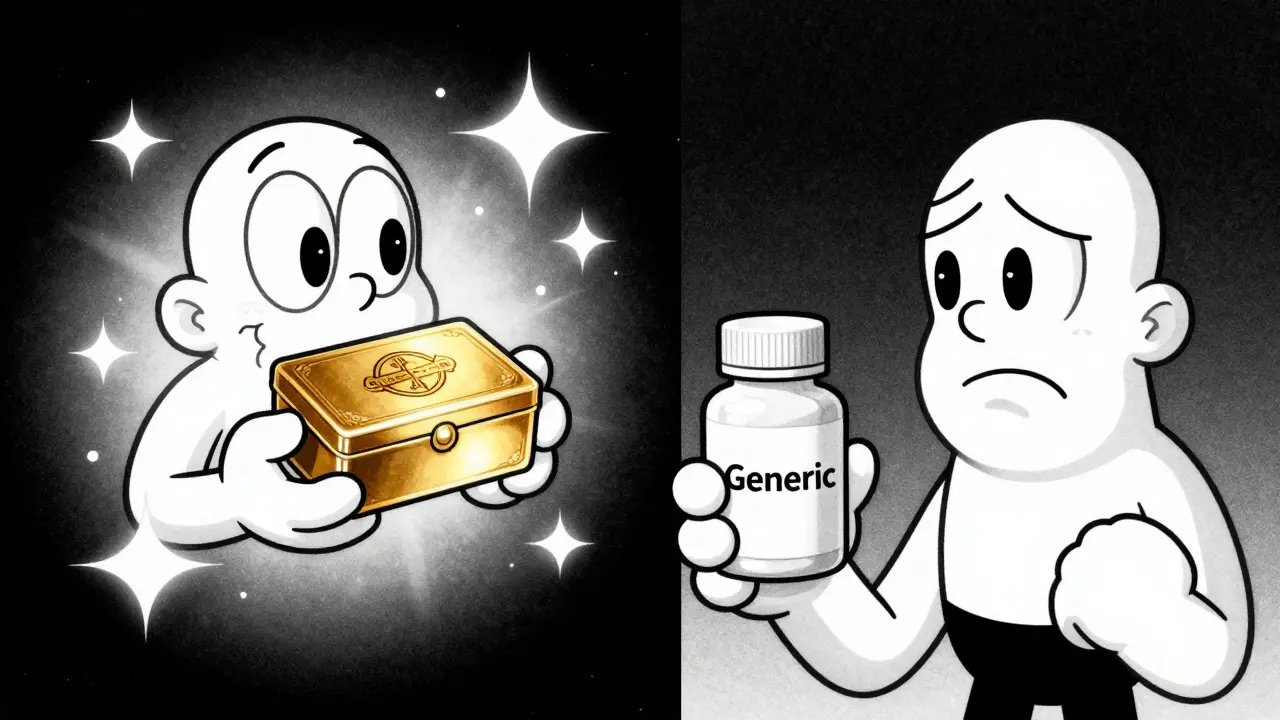
Placebo Effect and Generic Drugs: How Your Mind Changes Medicine Outcomes
Explore how the placebo and nocebo effects influence the efficacy of generic drugs. Learn why brand perception and pricing can change your physical response to medicine.

Age-Appropriate Medications for Common Pediatric Conditions: A Safety Guide
Discover why age matters for children's medicine. Learn safe dosing, dangerous drugs to avoid, and tips for administering pediatric meds correctly.

Feverfew and Anticoagulants: Understanding the Bleeding Risk
Explore the dangerous interaction between Feverfew and anticoagulants. Learn the science behind bleeding risks, real case studies, and safety guidelines for surgery.
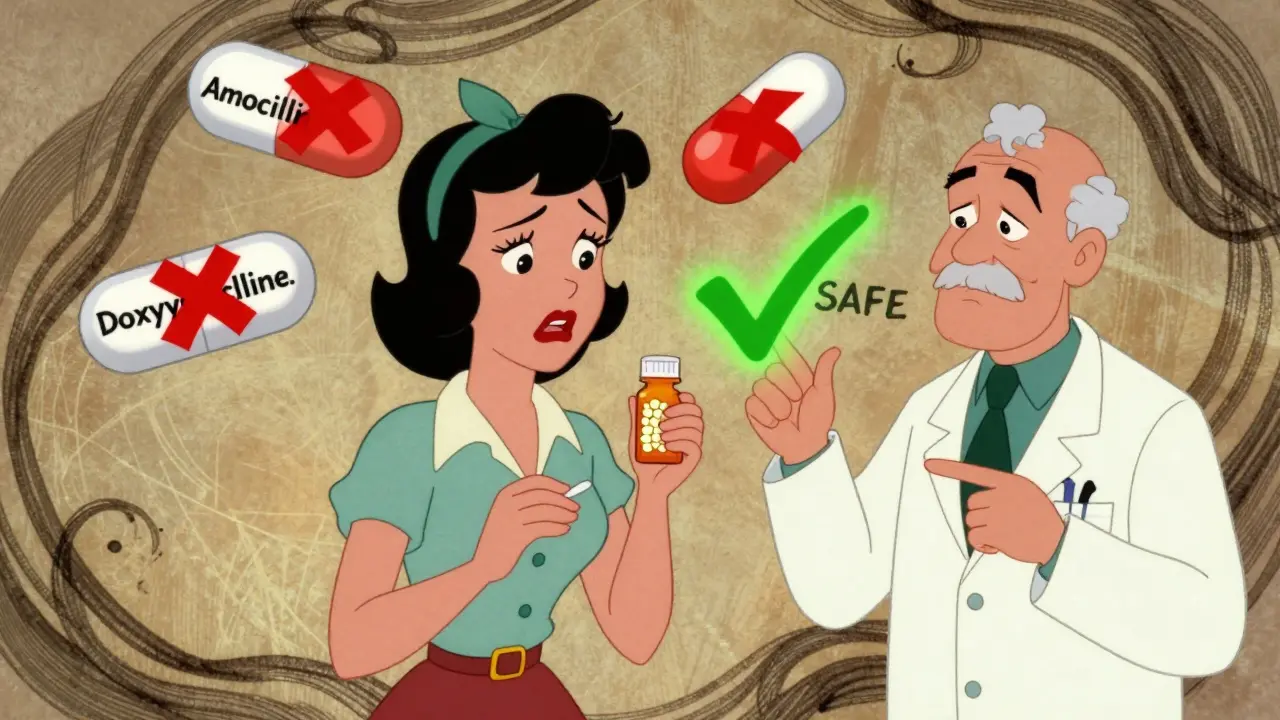
Antibiotics and Birth Control Pills: What Really Happens? Facts vs. Myths
Most antibiotics don't affect birth control pills. Only rifampin, rifabutin, and griseofulvin reduce effectiveness. Learn the facts, debunk the myths, and know exactly when to use backup contraception.

How Medications Enter Breast Milk and What It Means for Your Baby
Learn how medications pass into breast milk, what factors affect infant exposure, and which drugs are truly safe during breastfeeding-backed by current research and expert guidelines.

Gender-Affirming Hormone Therapy: What You Need to Know About Medication Interactions and Side Effects
Gender-affirming hormone therapy is safe but can interact with HIV meds, antidepressants, and other drugs. Learn how estradiol and testosterone interact with common medications-and what to do to stay healthy.

Parkinson’s Disease: Understanding Tremor, Stiffness, and How Dopamine Replacement Helps
Parkinson’s disease causes tremor, stiffness, and slow movement due to dopamine loss. Levodopa is the most effective treatment, replacing dopamine in the brain - but long-term use brings challenges. Learn how current therapies work, their side effects, and what’s coming next.
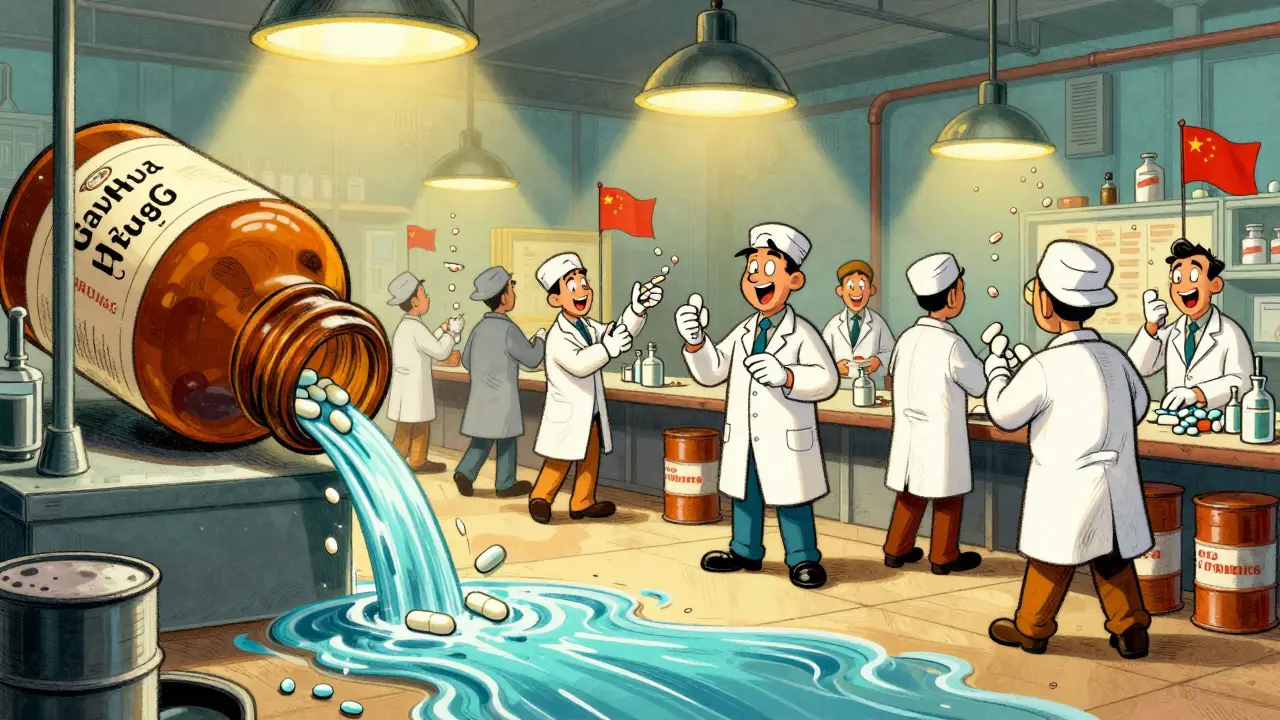
Asian Generic Markets: India, China, and Emerging Economies Explained
India and China dominate the global generic drug market, but in very different ways. India leads in volume and speed, while China controls raw materials and is moving into high-value biologics. Emerging economies like Vietnam and Cambodia are carving out their own niches.
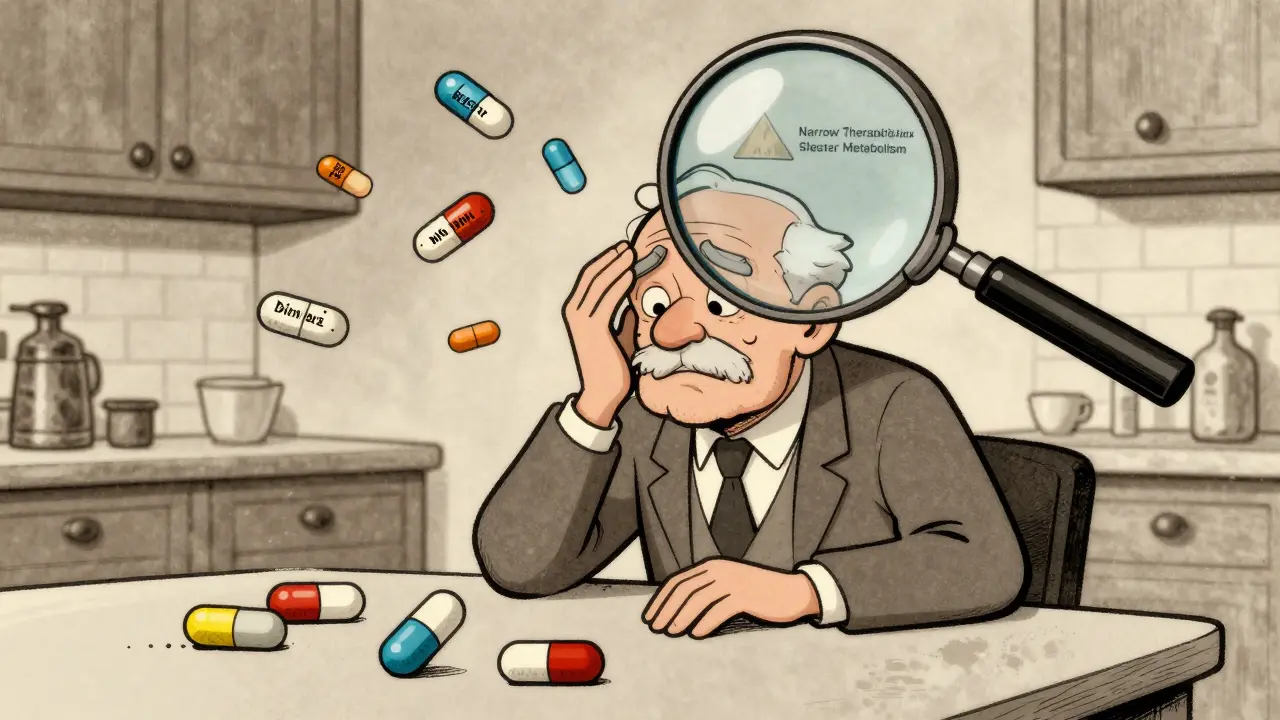
Generic Drug Safety in Older Adults: What You Need to Know
Generic drugs save money but pose unique risks for older adults due to age-related changes in metabolism, polypharmacy, and drug sensitivity. Learn what medications to watch out for and how to stay safe.
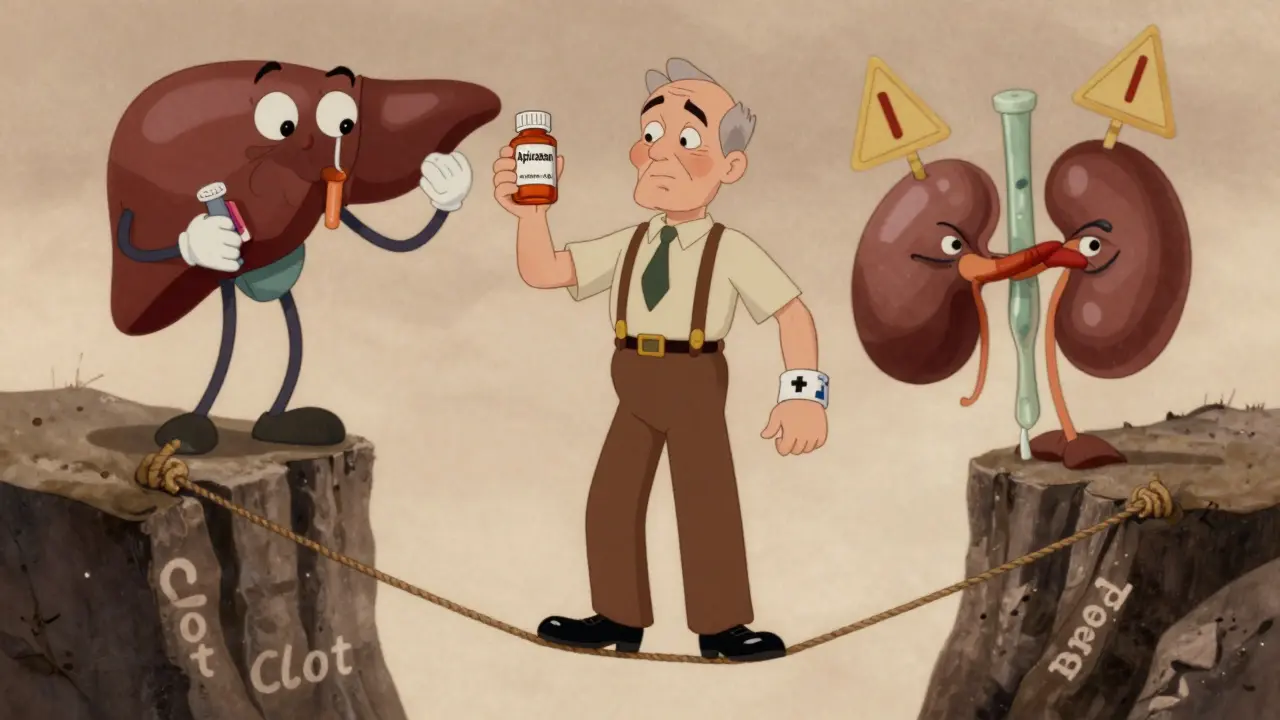
Anticoagulants and Bleeding Disorders: How to Prevent Hemorrhage
Anticoagulants prevent dangerous clots but carry a bleeding risk. Learn how to minimize hemorrhage with smart drug choices, kidney monitoring, avoiding NSAIDs, and knowing when to seek help.
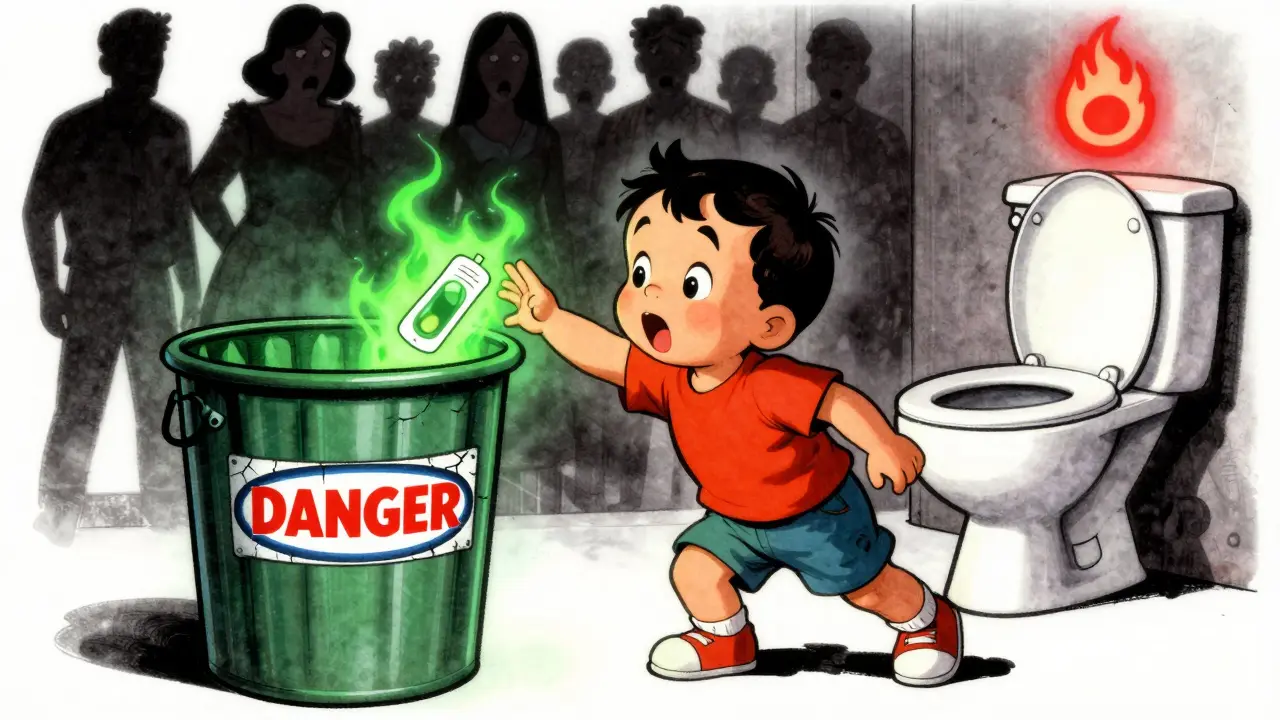
Medications Never to Put in Household Trash: A Safety List
Some medications are so dangerous that throwing them in the trash can be deadly. Learn which drugs the FDA says must be flushed immediately to prevent accidental overdose and protect your family.

Ketamine and Esketamine: Rapid-Acting Options for Depression
Ketamine and esketamine offer rapid relief for treatment-resistant depression. IV ketamine works faster and stronger; nasal esketamine is safer and easier to access. Both require medical supervision and aren't for everyone.