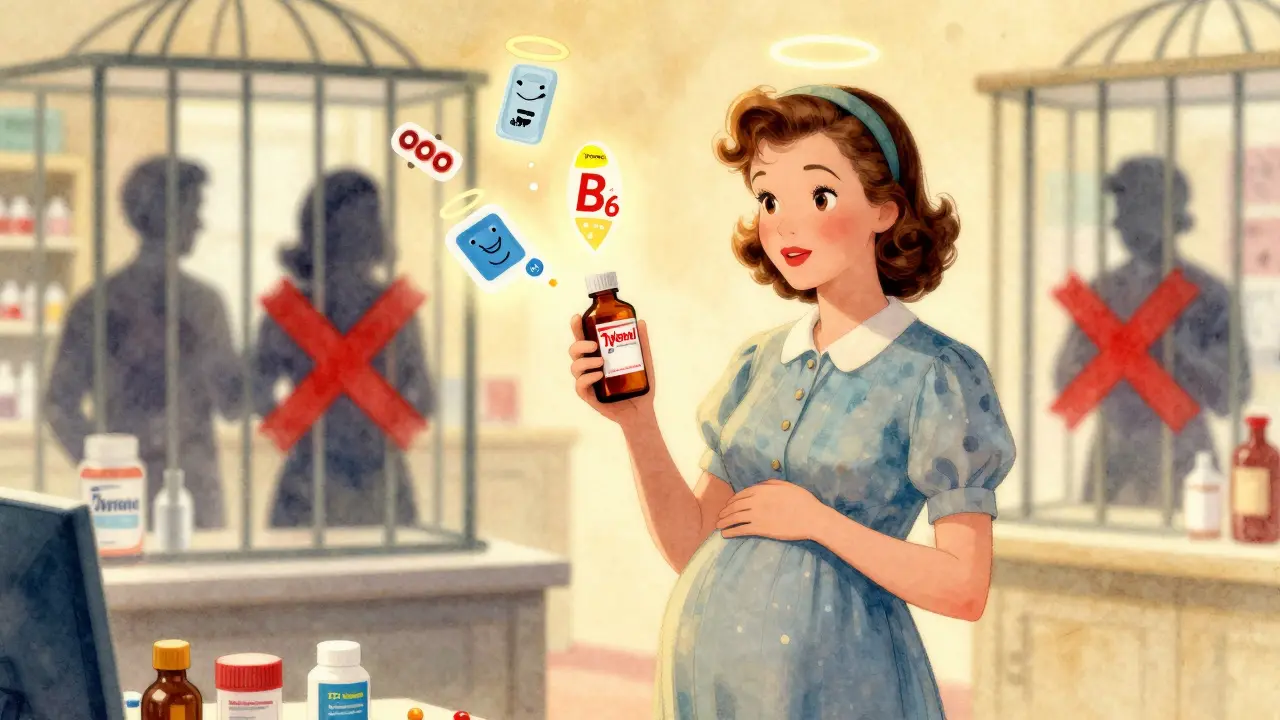
When you’re pregnant, even a simple headache or stuffy nose can feel overwhelming. You don’t want to risk your baby’s health, but you also don’t want to suffer. The good news? Many common medications are safe during pregnancy - if you know which ones and how to use them correctly.
What’s Actually Safe? The Evidence-Based List
Not all over-the-counter drugs are created equal when you’re expecting. Some are fine. Others can be risky - especially after the first trimester. The key is sticking to medications backed by real data, not myths or old advice.
For allergies, cetirizine (Zyrtec) and loratadine (Claritin) are consistently recommended by top medical groups like the American College of Obstetricians and Gynecologists (ACOG) and MotherToBaby. Both are non-drowsy, and studies tracking over 35,000 pregnancies show no increased risk of birth defects. Stick to the standard dose: 10mg once daily. Avoid anything with decongestants like pseudoephedrine unless your provider says it’s okay.
For congestion, saline nasal sprays are the gold standard. They work without chemicals, and you can use them as often as needed. If you need something stronger, guaifenesin (Mucinex) is safe in plain form - just skip the multi-symptom versions that hide decongestants or antihistamines. And never use nasal sprays like Afrin for more than three days in a row. They can cause rebound congestion, making your nose even more blocked.
Pain Relief: What Works, What Doesn’t
Acetaminophen (Tylenol) is the only pain reliever widely approved for use throughout pregnancy. It’s been studied in hundreds of thousands of pregnancies and remains the top choice for headaches, muscle aches, and fever. But here’s the catch: don’t go overboard.
Most guidelines, including those from the University of Michigan and Woman’s Hospital Baton Rouge, say not to exceed 3,000mg in 24 hours. That’s six regular-strength 500mg tablets. Tylenol PM? Avoid it. It combines acetaminophen with diphenhydramine (an antihistamine), which can cause drowsiness and isn’t meant for daily use during pregnancy.
Now, what to avoid: ibuprofen (Advil), naproxen (Aleve), and aspirin. These are NSAIDs. They’re fine in early pregnancy, but after 20 weeks, they can affect your baby’s kidneys and reduce amniotic fluid. ACOG and the FDA both warn against them in the third trimester. Even a single dose can be risky if you’re past 28 weeks.
Heartburn and Digestion: Simple Fixes That Work
Heartburn is nearly universal in pregnancy - especially in the second and third trimesters. The good news? You have safe, effective options.
Calcium carbonate (Tums) is the most recommended antacid. It’s safe, fast-acting, and doubles as a calcium supplement. Use it as needed, but don’t go over 2,400mg of elemental calcium per day - too much can cause constipation or kidney stones.
If Tums aren’t enough, famotidine (Pepcid) is a proven acid reducer. Most providers say 20mg twice daily is safe. It doesn’t cross the placenta in large amounts, and long-term use hasn’t shown harm in studies.
For constipation, polyethylene glycol (Miralax) is the top pick. It’s not absorbed by your body - it just draws water into your bowels. The standard dose is 17g (one capful) mixed in water once a day. Avoid stimulant laxatives like senna or bisacodyl unless prescribed. They can trigger contractions.
Nausea and Morning Sickness: A Proven Combo
If you’re vomiting multiple times a day, you’re not alone. But you don’t have to suffer. The most effective, FDA-approved treatment for nausea in pregnancy is a combination of vitamin B6 and doxylamine.
Take 25mg of vitamin B6 three times a day, plus 25mg of doxylamine (Unisom SleepTabs) at night or as needed. This exact combo is what’s in Diclegis, the prescription version. But you can get the same result with over-the-counter pills - and save money. Studies show this combo reduces nausea by 70% or more. Some women report going from 10 vomits a day to just one or two.
Don’t try ginger pills or herbal remedies without talking to your provider. While ginger tea is generally safe, supplements aren’t regulated. Some contain unlisted ingredients that could be harmful.

What About Antidepressants and Other Prescriptions?
Many pregnant people take medications for mental health, epilepsy, asthma, or high blood pressure. Stopping them can be more dangerous than continuing them.
For depression and anxiety, sertraline (Zoloft) and citalopram (Celexa) are the most studied and safest SSRIs during pregnancy. ACOG says if you were on them before pregnancy, you should usually continue - the risk of untreated depression outweighs the small potential risks to the baby.
But here’s the catch: the FDA updated its warning in October 2023 about sertraline use in late pregnancy. A small number of newborns develop temporary symptoms like jitteriness or trouble feeding - called neonatal adaptation syndrome. It’s not dangerous, and it goes away in days. Your provider will monitor your baby after birth.
For asthma, inhaled corticosteroids like budesonide are safe and recommended. For high blood pressure, labetalol and nifedipine are first-line. Never stop these medications without talking to your OB. Your health matters just as much as your baby’s.
Red Flags: What to Avoid Completely
Some medications are outright dangerous during pregnancy. These include:
- Isotretinoin (Accutane) - causes severe birth defects
- ACE inhibitors (Lisinopril, Enalapril) - can damage fetal kidneys
- Methotrexate - used for autoimmune diseases and cancer, highly toxic to embryos
- Warfarin - increases risk of bleeding and brain defects
- Fluconazole (high-dose) - linked to rare birth defects
Also avoid any medication with “DXM” (dextromethorphan) in high doses. While low doses (up to 120mg in 24 hours) are generally okay, more than that can affect fetal development. And never take codeine or hydrocodone unless absolutely necessary - they’re opioids and can cause withdrawal in newborns.
Why You Should Never Guess
One of the biggest mistakes? Assuming “natural” means safe. Herbal teas, essential oils, and supplements aren’t regulated. Some - like black cohosh, pennyroyal, or high-dose vitamin A - can cause miscarriage or birth defects.
Even “harmless” things like melatonin are now under review. ACOG’s November 2023 update says melatonin at 1-3mg may be acceptable for sleep, but long-term effects aren’t known. Don’t self-prescribe.
And don’t rely on internet forums. Reddit and Facebook groups are full of well-meaning advice - but also misinformation. One woman reported using Sudafed after her first trimester, only to find her pharmacy refused to sell it without extra paperwork. Another took Advil for a headache at 32 weeks and later found out it could have affected her baby’s heart.
Every pregnancy is different. Your weight, medical history, and trimester all matter. A medication that’s safe for one person might not be for another.
How to Use This List
Here’s how to make this information work for you:
- Keep a list of all medications you take - including vitamins, herbs, and supplements.
- Before taking anything new, even a cough drop, check with your OB or midwife.
- Know your active ingredients. Claritin = loratadine. Zyrtec = cetirizine. Tums = calcium carbonate.
- Use the lowest effective dose for the shortest time.
- Track any side effects. If something feels off, call your provider.
If you’re unsure, call MotherToBaby at 1-866-626-6847. They’re a free, confidential service staffed by specialists who answer questions about pregnancy and medications. They’ve handled over 12,000 calls in 2022 alone.
What’s Changing? The Future of Pregnancy Medication Safety
Right now, we’re in a transition. The old A, B, C, D, X pregnancy safety categories were scrapped in 2015 because they were too simplistic. Now, drug labels give detailed summaries of risks, benefits, and data - but many drugs still lack solid evidence.
Only 12% of clinical trials include pregnant people. That means for most medications, we’re guessing based on animal studies or small case reports. The NIH’s PregSource project and the PREVENT initiative are pushing to fix this. By 2027, we might see mandatory inclusion of pregnant women in late-stage drug trials - which could finally give us the answers we need.
In the meantime, stick to what’s known: acetaminophen, cetirizine, famotidine, Miralax, vitamin B6 + doxylamine. Avoid the rest unless your provider says otherwise. And always, always ask questions.
Is Tylenol really safe during pregnancy?
Yes, acetaminophen (Tylenol) is the safest pain reliever for use during pregnancy. It’s been studied in hundreds of thousands of pregnancies and is recommended by ACOG and the CDC. But don’t exceed 3,000mg per day, and avoid Tylenol PM because it contains diphenhydramine, which isn’t meant for regular use in pregnancy.
Can I take allergy medicine while pregnant?
Yes. Cetirizine (Zyrtec) and loratadine (Claritin) are both safe at standard doses (10mg daily). Avoid combination products with decongestants like pseudoephedrine unless your provider approves them. Saline nasal sprays are the safest option for congestion.
Is it safe to take ibuprofen during pregnancy?
No - not after 20 weeks. Ibuprofen and other NSAIDs can cause serious problems for your baby’s kidneys and reduce amniotic fluid. Even occasional use in the third trimester can be risky. Use acetaminophen instead for pain or fever.
What can I take for nausea besides Zofran?
The most effective, FDA-approved option is vitamin B6 (25mg) plus doxylamine (Unisom SleepTabs, 25mg). This combo works as well as Zofran for most women and is available over the counter. Take B6 three times a day and doxylamine at night or as needed. Many women see a 70% drop in nausea within days.
Are herbal supplements safe during pregnancy?
No - not without talking to your provider. Herbal products aren’t regulated, and many contain ingredients that can cause miscarriage or birth defects. Avoid black cohosh, pennyroyal, high-dose vitamin A, and untested teas. Even ginger supplements can vary in strength. Stick to ginger tea if you want to try it.
Can I keep taking my antidepressant if I’m pregnant?
Often yes. If you’re on sertraline (Zoloft) or citalopram (Celexa), stopping can be more dangerous than continuing. Untreated depression raises risks for preterm birth, low birth weight, and postpartum complications. Talk to your provider before making any changes. Never stop cold turkey.
What should I do if I took a risky medication before knowing I was pregnant?
Don’t panic. Most medications don’t cause harm if taken in the first few weeks - before the baby’s organs start forming. Call MotherToBaby (1-866-626-6847) or your OB. They’ll help you assess the risk based on the drug, dose, and timing. Most exposures turn out to be low risk.
Next Steps: What to Do Today
Start by reviewing every medication you take - prescriptions, vitamins, supplements, and OTC drugs. Write them down. Then call your OB or midwife and ask: “Which of these are safe to keep taking?” Don’t wait until your next appointment.
If you’re not sure about something, use the FDA’s free Medicines in Pregnancy app. Or call MotherToBaby. They’re there to help - no judgment, no cost.
Pregnancy isn’t the time to guess. It’s the time to be informed, cautious, and proactive. You’re not just protecting your baby - you’re protecting yourself, too.
Kunal Kaushik
February 5, 2026 AT 02:35Just took Zyrtec for my seasonal allergies and felt like a genius 😌
Had no idea cetirizine was this safe-thought everything was a no-go. Thanks for laying it out so clearly. My OB never mentioned this list.
Also, Tums for heartburn? Genius. I’ve been eating antacids like candy since week 12. Now I know I’m not overdoing it (as long as I stay under 2,400mg). 🙌
And doxylamine + B6? Changed my life. Used to vomit every morning and night. Now? Just a little nausea in the AM. I’m not crying, you’re crying.
Mandy Vodak-Marotta
February 5, 2026 AT 09:09Okay but can we talk about how the internet is full of people saying ‘just drink ginger tea’ like it’s a magic wand? 🙄
I had hyperemesis. Ginger tea did nothing. I was on the floor, dehydrated, crying, convinced I was failing as a mom before I even met my kid. Then my midwife said: ‘Try B6 and Unisom.’ I was skeptical. I took it. Two days later? I could keep toast down. I’m not exaggerating-it was life-changing. Why isn’t this the first thing everyone says? Why do people assume ‘natural’ means ‘works’? Ugh. Anyway. Thank you for this. I’m printing it out and taping it to my fridge.
Harriot Rockey
February 7, 2026 AT 02:46This is the kind of post that makes me believe in humanity again.
I’m 34 weeks and I’ve been terrified of every cold medicine, every headache pill, every supplement. I thought I had to suffer. I didn’t realize acetaminophen was the gold standard-I thought it was ‘maybe okay’? No. It’s THE thing. And knowing that Tums are not just a band-aid but a calcium boost? Mind blown.
Also-thank you for calling out the ‘natural’ trap. I used to think herbal teas were ‘gentle’ until I read that pennyroyal can cause miscarriage. Holy cow. I’ve been drinking chamomile since month 1. Should I stop? 😅
And the part about SSRIs? My therapist and OB are on the same page, but I still panic. Knowing that stopping Zoloft might be riskier than continuing it? That’s the reassurance I didn’t know I needed.
Please keep sharing stuff like this. We need more of you.
Roshan Gudhe
February 7, 2026 AT 05:54There is a deeper philosophical tension here: the modern pregnant body as a site of medical surveillance.
We are told to ‘be cautious,’ yet the system offers no real safety net-only lists. We are told to ‘ask your provider,’ but providers are overworked and undertrained in prenatal pharmacology.
The fact that we must rely on MotherToBaby-a nonprofit with 12,000 calls a year-to fill the void speaks volumes. We are not being cared for. We are being managed.
And yet… here we are. Still reading. Still asking. Still choosing. Not because we are paranoid. But because we are responsible. And that responsibility? It shouldn’t fall on us alone.
Still. Thank you for the list. It’s a lifeline. Even if the system is broken.
Rachel Kipps
February 8, 2026 AT 09:47Thanks for this. I had no idea about the 3,000mg limit on tylenol. I was taking 4 pills a day. I’m going to cut back. Also, I thought miralax was a laxative for kids. Didn’t realize it’s the #1 choice for pregnancy. Will use. And I’m definitely calling MotherToBaby. I’ve been too scared to ask questions.
Prajwal Manjunath Shanthappa
February 10, 2026 AT 00:43Ugh. Another ‘safe meds’ list. As if this is news. I’ve been a nurse for 18 years. I’ve seen women die because they believed Reddit over their OB. You didn’t mention the fact that cetirizine can cause QT prolongation in high doses. Did you even read the FDA’s 2023 pharmacovigilance report? No. You didn’t. You just copied a blog post.
And ‘Tums are safe’? Only if you don’t have renal impairment. Which 40% of pregnant women do, by the way. You’re giving half-baked advice wrapped in emojis. This isn’t helpful. It’s dangerous.
Also-why is everyone so obsessed with ‘natural’? Because they’re terrified of science. And science? It’s not always comforting. But it’s the only thing that saves lives.
Wendy Lamb
February 11, 2026 AT 00:32Acetaminophen max is 3,000mg. Got it.
Also-no NSAIDs after 20 weeks. Noted.
Call MotherToBaby. Done.
Antwonette Robinson
February 11, 2026 AT 05:02Wow. A post that doesn’t say ‘just take a warm bath’ or ‘drink more water.’ Revolutionary.
Who wrote this? A doctor? A pharmacist? A wizard? Because this is the first time I’ve seen a pregnancy resource that doesn’t treat me like I’m 12 and scared of my own shadow.
Also-sertraline causes ‘neonatal adaptation syndrome’? That’s a fancy way of saying ‘baby gets jittery for a few days.’ Why not just say that? Why the jargon? You’re not fooling anyone.
Still. Thank you. I’m saving this.
Ed Mackey
February 11, 2026 AT 12:54Thanks for this. I’m 31 weeks and I’ve been avoiding everything-even Tylenol-because I thought ‘any drug = bad.’ This changed my mind. I’ve been taking 500mg of B6 twice a day for nausea and didn’t know it was part of the combo. I’ll start the Unisom tonight. Also-my OB told me to avoid Miralax. I thought she meant ‘don’t use it.’ Turns out she meant ‘don’t use senna.’ I’m calling her tomorrow. I owe you.
Katherine Urbahn
February 12, 2026 AT 19:37I find it deeply irresponsible to promote over-the-counter medications without emphasizing the absolute necessity of consulting a licensed physician before ingestion. The FDA does not approve medications for use in pregnancy based on Reddit posts. This list, while well-intentioned, dangerously undermines clinical judgment. For example, famotidine is not universally recommended-it is conditionally indicated. And ‘Miralax is the top pick’? What about the risk of electrolyte imbalance in late pregnancy? Where is the nuance? Where is the caution? This is not education. It is commodified fear-mongering dressed as empowerment.
And why are you not mentioning the 2024 ACOG update on dextromethorphan? You mentioned DXM-but omitted the new threshold of 60mg per dose. This is sloppy. Unprofessional. And frankly, unethical.
I am not a ‘villain’ for being cautious. I am a guardian of evidence-based practice.