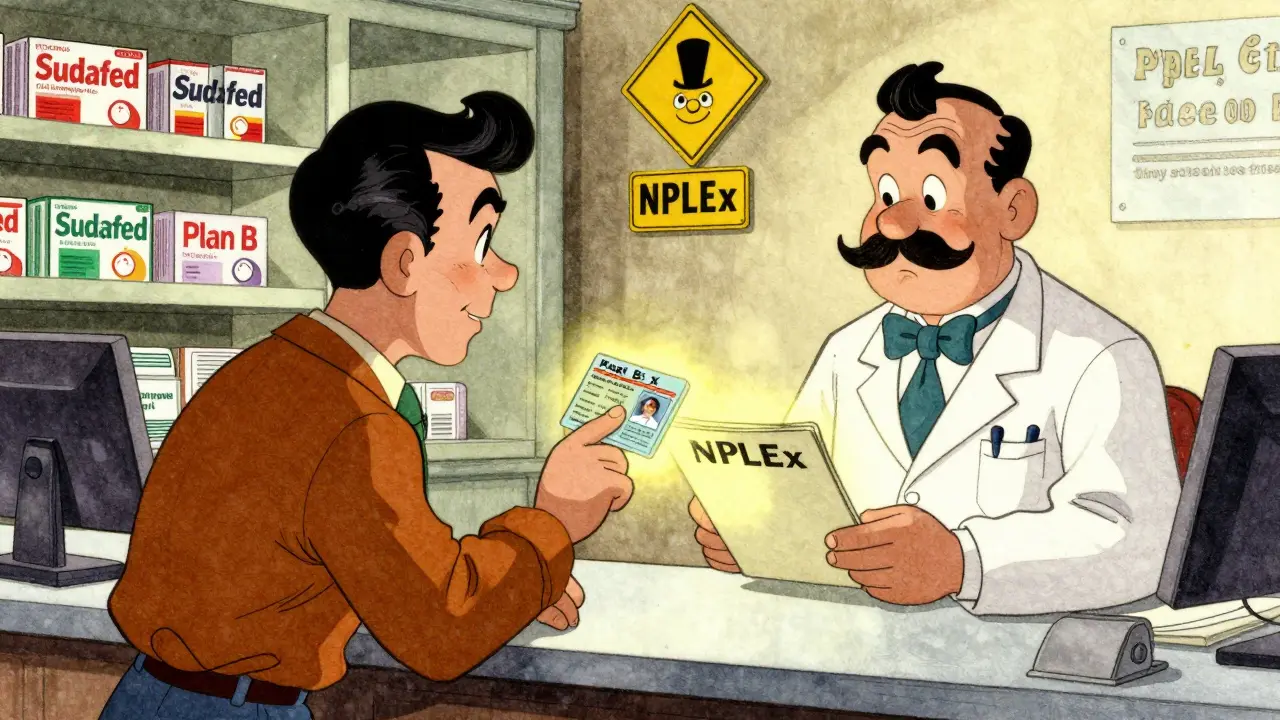
Ever stood at the pharmacy counter, ID in hand, waiting to buy cold medicine or emergency contraception, only to be asked for a second ID and told your purchase is being logged? You’re not alone. These aren’t random security checks - they’re part of a system called behind-the-counter (BTC) medications. It’s not prescription, but it’s not quite regular OTC either. Think of it as a middle ground: you don’t need a doctor’s note, but you can’t just grab it off the shelf like aspirin or ibuprofen.
What Exactly Is Behind-the-Counter?
BTC medications are drugs that must be kept behind the pharmacy counter and can only be sold after a pharmacist reviews your ID, asks a few questions, and logs the sale. This system started in 2006 after the U.S. government passed the Combat Methamphetamine Epidemic Act. The goal? Stop people from buying huge amounts of pseudoephedrine - a common cold medicine ingredient - to make illegal meth. So instead of locking it away completely, they moved it behind the counter. That way, people who actually needed it for congestion could still get it, but with oversight.
Today, BTC isn’t just about pseudoephedrine. It’s a category. Pharmacists call it the "third class" of drugs - between prescription-only and regular OTC. There are about 15 to 20 common BTC products in use right now. Some you might recognize: Sudafed, Claritin-D, Plan B, and even certain types of insulin sold at Walmart under the ReliOn brand.
How BTC Differs from Regular OTC
Regular OTC meds like Tylenol, Benadryl, or Pepto-Bismol? You can buy them at gas stations, grocery stores, or online with no questions asked. BTC meds? You need to talk to a pharmacist. No exceptions.
Take pseudoephedrine versus phenylephrine. Both are decongestants. But here’s the thing: pseudoephedrine works. A 2019 study in the Journal of Allergy and Clinical Immunology found it relieved nasal congestion in 72% of users. Phenylephrine? Only 38%. So why is phenylephrine on the shelf everywhere? Because it’s not regulated. Pseudoephedrine, the more effective one, is locked up. And yes, that’s intentional.
Another example: emergency contraception. Plan B One-Step is available behind the counter for anyone 17 and older. No prescription. But you still need to show ID. Before 2013, you had to go to a doctor. Now, you can walk in at midnight and leave with it. That’s a huge win for access - especially for teens or people without transportation. CDC data shows teen pregnancy rates dropped 46% between 2007 and 2017, partly because Plan B became easier to get.
What You Need to Know Before You Buy
If you’ve ever been turned away or asked for a second ID, you’ve hit one of the quirks of BTC. Here’s what actually happens when you go to buy one of these meds:
- You ask the pharmacist for the product.
- They ask for a government-issued photo ID (driver’s license, passport, etc.).
- Your name, ID number, and the product are entered into an electronic log - usually NPLEx (National Precursor Log Exchange).
- You’re limited by federal rules: no more than 3.6 grams of pseudoephedrine per day, and 9 grams in 30 days.
- Some states add their own rules. Oregon limits you to 7.5 grams a month. Texas lets you buy 9 grams.
That’s not all. Pharmacies pay about $1,200 a year just to keep the software running. Staff spend roughly 8 hours a year training on the rules. And you? You might spend 5 to 7 minutes talking to the pharmacist instead of just grabbing a box.
Who Benefits? Who Gets Left Out?
BTC works well for people who need access without a doctor’s visit. Insulin is a big one. At Walmart, ReliOn regular and NPH insulin cost $25-$40 per vial. That’s a lifesaver for people without insurance. Before BTC, insulin was strictly prescription - meaning high costs, delays, and sometimes rationing.
But here’s the problem: it’s not fair for everyone. A 2021 University of Michigan study found Black customers were 3.2 times more likely to be questioned or refused when buying pseudoephedrine - even when their purchase patterns matched white customers exactly. That’s not about safety. That’s about bias.
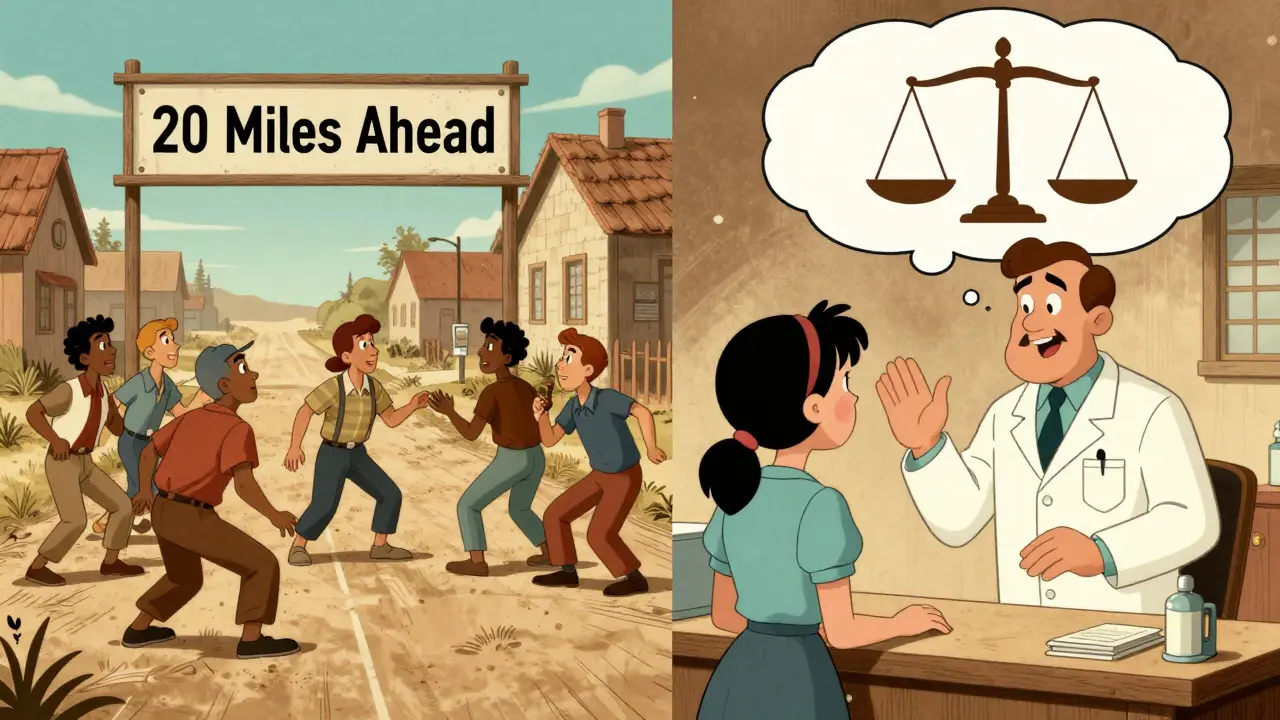
And then there’s rural America. About 60 million people live more than 10 miles from a pharmacy. If you’re in a small town and your only pharmacy is 20 miles away, and you’re out of pseudoephedrine on a Saturday night? Tough luck. The system doesn’t account for geography.
Even when the rules are clear, enforcement isn’t. A 2022 Kaiser Health News investigation found that 22% of pharmacies would sell Plan B to underage teens without checking ID. Meanwhile, 18% of customers reported being denied Plan B even though they were legally allowed to buy it - sometimes because the pharmacist personally objected.
What’s Next? The Future of BTC
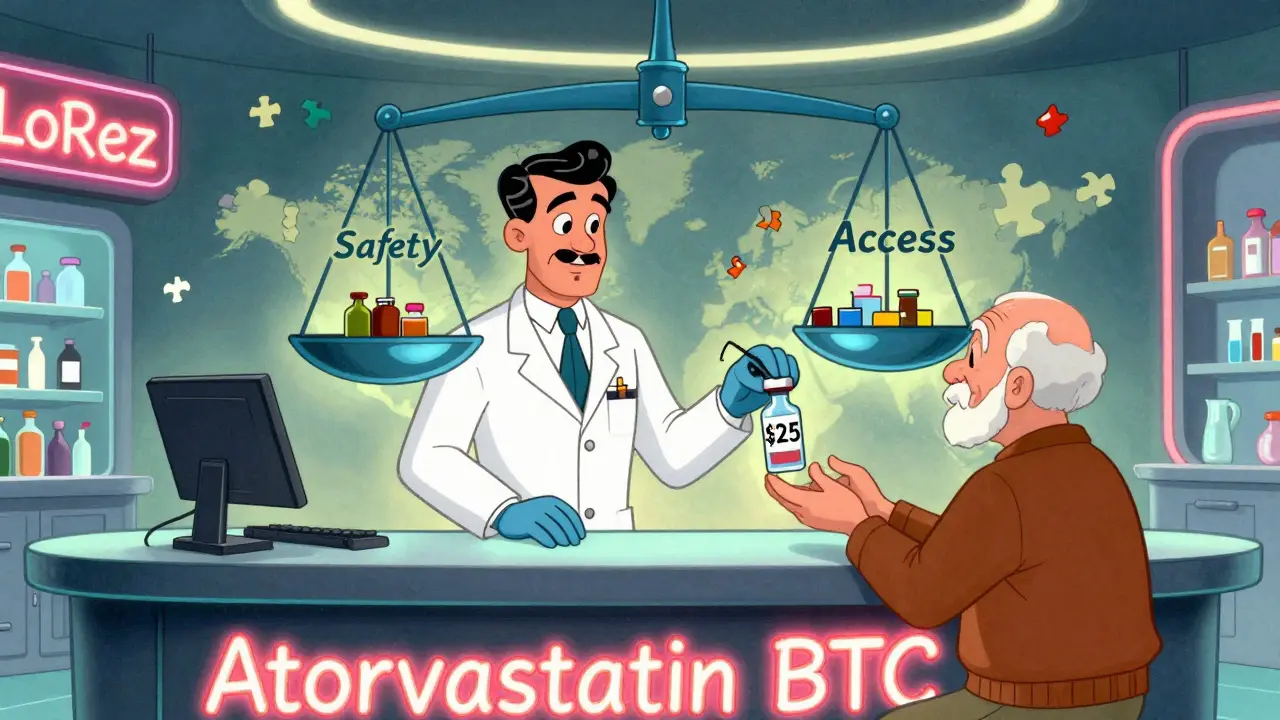
The FDA is looking at expanding BTC. In May 2023, they approved the first BTC opioid treatment: LoRez (low-dose naltrexone) for alcohol use disorder. That’s huge. It means more drugs could move from prescription to BTC - not because they’re unsafe, but because pharmacists are trained to handle them.
Experts think by 2027, at least 5 more prescription drugs will shift to BTC. Candidates include low-dose atorvastatin (for cholesterol) and mifepristone (for certain reproductive health needs). The market for BTC meds is growing fast - from $1.2 billion in 2022 to an estimated $8.5 billion by 2026.
But here’s the catch: 28 different states have different rules. One state might let you buy 9 grams of pseudoephedrine. Another might cap it at 3.6. One might require ID. Another might not. That’s a mess. Dr. Joshua Sharfstein from Johns Hopkins warns this patchwork system could undermine the whole idea of BTC - which was supposed to balance safety and access.
What Should You Do?
Know your rights. If you’re legally allowed to buy a BTC medication and you’re denied, ask why. Pharmacists are trained to follow federal rules - not personal beliefs.
Plan ahead. If you need pseudoephedrine regularly, keep track of your purchases. Use apps or logs to avoid hitting limits. Some pharmacies let you pre-register your ID to speed things up.
And if you’re in a rural area or have trouble getting to a pharmacy? Talk to your local health department. Some offer mail-order options for insulin or emergency contraception.
BTC isn’t perfect. But it’s better than locking people out completely. It’s a system built on trust - between you, the pharmacist, and the law. When it works right, it saves lives. When it doesn’t, it just adds another barrier.
Ariel Edmisten
February 8, 2026 AT 17:51Niel Amstrong Stein
February 9, 2026 AT 03:43Joey Gianvincenzi
February 10, 2026 AT 09:43Amit Jain
February 11, 2026 AT 06:49Sarah B
February 11, 2026 AT 15:01Savannah Edwards
February 12, 2026 AT 23:12Gouris Patnaik
February 13, 2026 AT 03:54Heather Burrows
February 15, 2026 AT 02:38Ritu Singh
February 15, 2026 AT 05:27Mark Harris
February 16, 2026 AT 17:06Paula Sa
February 18, 2026 AT 05:38Catherine Wybourne
February 19, 2026 AT 08:41