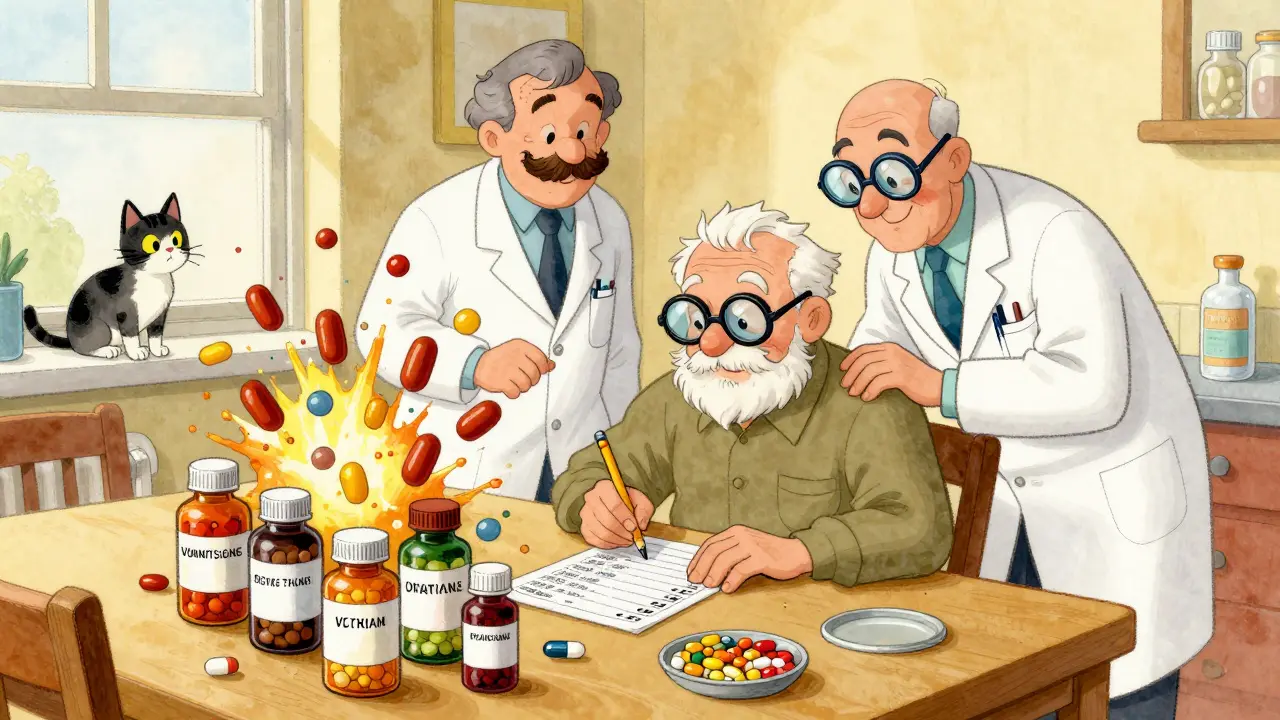
Every year, thousands of people end up in hospitals because of mistakes with their medicines. Not because the drugs were bad, but because the system failed them. Maybe they forgot to tell their doctor about the herbal supplement they take. Maybe their pills were left in an unlabeled bottle on the nightstand. Maybe they took two doses by accident, thinking the second pill was for a different problem. These aren’t rare accidents. They’re preventable-and they happen more often than most people realize.
The good news? You don’t have to wait for something to go wrong. You can build a personal medication safety plan with your care team-your doctor, pharmacist, nurse, and even family members-to make sure your medicines work for you, not against you. This isn’t about being perfect. It’s about being prepared.
Start with a Complete List of Everything You Take
Before you even talk to your doctor, sit down with all your medicines. Not just the ones in your medicine cabinet. Include every prescription, every over-the-counter pill, every vitamin, every herbal supplement-even the ones you only take once in a while. People often forget these. But they matter. A simple garlic supplement can interfere with blood thinners. St. John’s Wort can make antidepressants useless or even dangerous.
Write it all down. Use a notebook, a phone note, or a printed sheet. Include:
- The name of the medicine (brand and generic if you know it)
- How much you take (e.g., 10 mg, 500 mg)
- How often (e.g., once daily, twice a day, as needed)
- Why you take it (e.g., “for high blood pressure,” “for sleep”)
- Who prescribed it (doctor’s name or pharmacy)
- When you started taking it
Update this list every time something changes. A new prescription? Add it. Stopped a pill? Cross it out. Don’t wait for your next appointment. Keep this list with you-at all times. Keep a copy in your wallet, your purse, or your phone. In an emergency, this list could save your life.
Ask Your Care Team to Review It Together
Don’t just hand your list to your doctor and hope they’ll notice something. Ask them to go through it with you. Say: “Can we look at this list together? I want to make sure nothing’s conflicting or unnecessary.”
Ask these specific questions:
- Is this medicine still needed? Some prescriptions get refilled year after year-even when they’re no longer useful.
- Could any of these interact with each other? Especially if you’re on five or more medicines.
- Are there cheaper or safer alternatives? Some older drugs have been replaced with newer ones that cause fewer side effects.
- What side effects should I watch for? Don’t just accept “you might feel dizzy.” Ask: “How common is it? When should I call you?”
Pharmacists are your secret weapon here. They see hundreds of prescriptions a day. They know which combinations are risky. Ask your pharmacist to review your list too. Many pharmacies offer free medication reviews-just ask.
Store Medicines Safely-No Exceptions
Medicines aren’t candy. They shouldn’t be sitting on the counter, in the bathroom cabinet, or in a drawer with your socks. The risk isn’t just about kids or pets. It’s about you.
One woman in Bristol kept her heart medication in an unlabeled plastic bottle next to her bed. She took it twice one night because she thought the second pill was for her blood pressure. She ended up in the ER with dangerously low blood pressure. That could’ve been avoided.
Here’s how to store safely:
- Keep all medicines in a locked box or cabinet-especially if you have children, teens, or anyone with memory issues in the house.
- Never leave pills in their original blister packs if they’re not labeled with your name. Transfer them to a pill organizer with clear labels.
- Remove old or expired medicines. Don’t just stash them in a drawer. Take them to your pharmacy for safe disposal.
- Keep your list of medicines with your storage area, so you always know what’s inside.
High-risk medicines-like opioids, blood thinners, or insulin-need extra care. If you’re on any of these, talk to your care team about whether a locked storage box is right for you.
Create a Daily Routine You Can Follow
It’s easy to forget a pill. It’s even easier to take one twice. That’s why structure matters more than willpower.
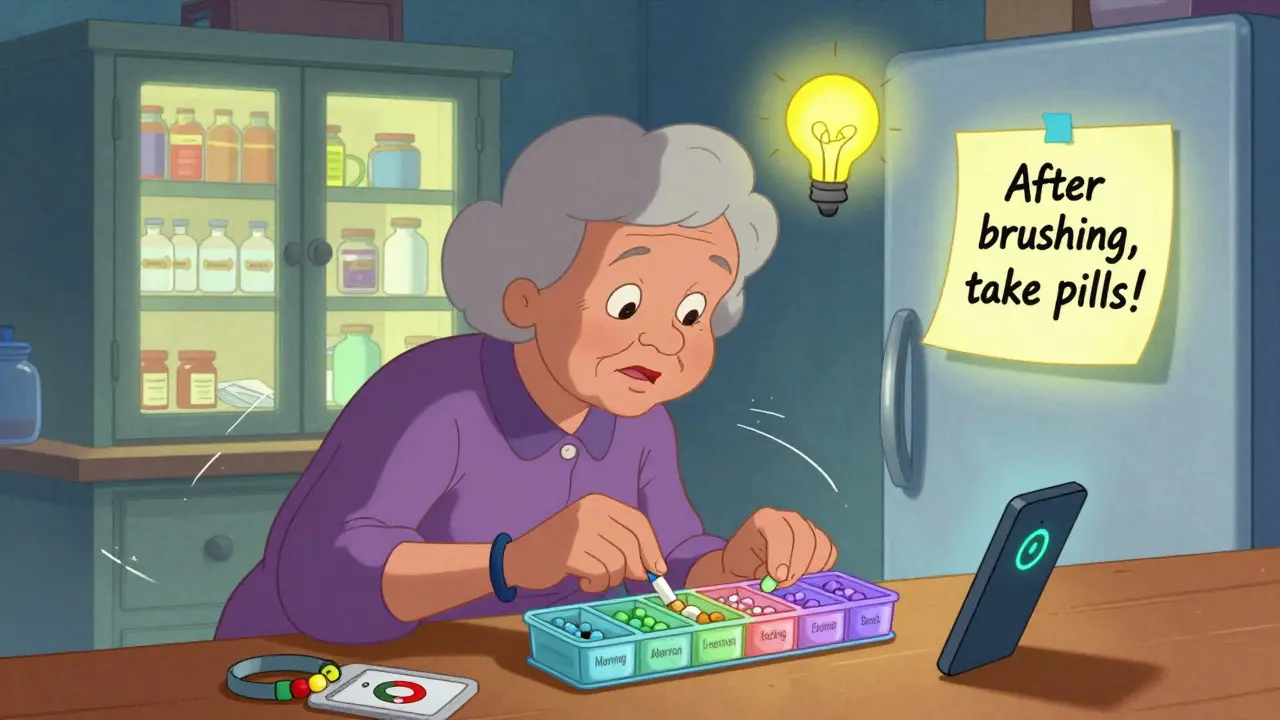
Use a pill organizer. Not the fancy ones with alarms-just a simple one with compartments for morning, afternoon, evening, and bedtime. Fill it once a week. Set a reminder on your phone for the same time every day. Tie it to something you already do: “After I brush my teeth, I take my pills.”
If you have memory problems-or if someone else helps you manage your meds-use simple language. Instead of saying “take 5 mg of lisinopril once daily,” say: “This blue pill is for your blood pressure. Take it every morning with breakfast.”
Write it on a sticky note. Put it on the fridge. Record a voice note on your phone. The more ways you reinforce it, the less chance there is for error.
Track Changes and Side Effects
Medicines don’t always work the way they’re supposed to. Sometimes they cause new problems. Sometimes they stop working. You need to notice-and report it.
Keep a short journal. Just a few lines each week:
- Did you feel dizzy, confused, or unusually tired?
- Did you have any new rashes, stomach pain, or swelling?
- Did you miss a dose? Why?
- Did anything change in your daily life? (Sleep, diet, activity level)
Bring this to every appointment. Don’t wait until you’re in crisis. If you feel off, call your doctor. Don’t assume it’s “just aging.” A change in mood, balance, or memory could be a reaction to a drug interaction.
One caregiver in Bristol noticed her mother’s confusion got worse after a new painkiller was added. She brought it up at the next visit. The doctor realized the painkiller was mixing badly with her blood pressure medicine. They switched it-and within days, her mother was clearer than she’d been in months.
Plan for Emergencies
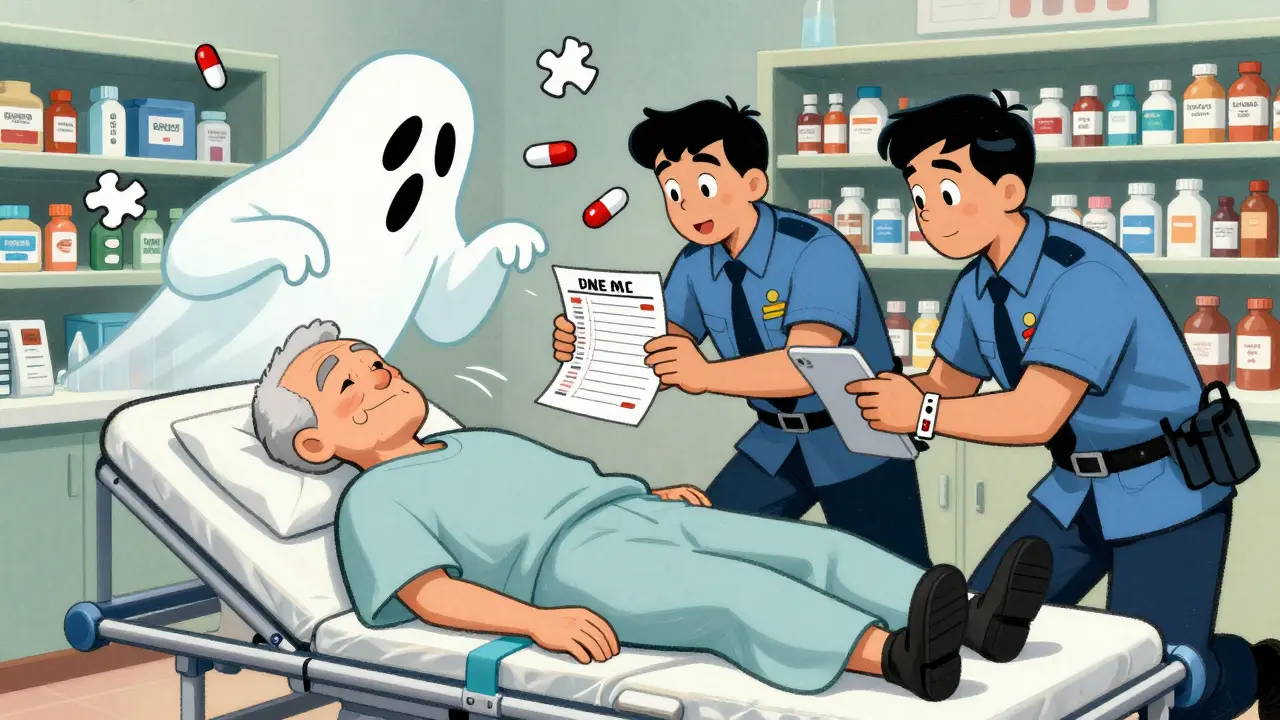
What if you collapse? What if you’re taken to the hospital and can’t speak? What if you’re admitted and the staff doesn’t know what you’re on?
Your medication safety plan should include an emergency protocol:
- Keep a printed copy of your full medication list in your wallet or purse.
- Give a copy to a trusted family member or friend.
- Consider wearing a medical ID bracelet that says “Medication List Available” and lists your most critical drug (e.g., “on warfarin” or “allergic to penicillin”).
- If you live alone, make sure someone knows your routine. If you don’t take your morning pill, they should check on you.
For people with dementia or cognitive decline, assign a medication manager. This could be a family member, a home care worker, or even a pharmacy delivery service that checks in. The goal isn’t to take away independence-it’s to prevent a mistake that could end in hospitalization or worse.
Keep It Updated-Every Year, at Least
Your body changes. Your health changes. Your medicines should change too.
Set a yearly reminder-maybe your birthday, or the anniversary of your last check-up-to review everything. Ask yourself:
- Are any of these medicines no longer needed?
- Have any side effects gotten worse?
- Have I started or stopped anything new-even a supplement or tea?
- Does my list still match what’s in my pill organizer?
Don’t wait for your doctor to ask. Be the one who brings it up. You know your body better than anyone else.
Why This Works
Medication errors aren’t usually caused by one person being careless. They’re caused by systems that don’t talk to each other. Your doctor prescribes. Your pharmacist dispenses. You take it. But if no one checks if it all fits together, things fall through.
A personal medication safety plan closes those gaps. It puts you-your knowledge, your habits, your concerns-at the center of care. It turns you from a passive receiver of pills into an active partner in your health.
Studies show that when patients actively manage their medicines with their care team, the risk of dangerous side effects drops by nearly half. That’s not magic. That’s teamwork.
What if I don’t trust my doctor to review my meds?
You don’t have to rely on one person. Go to your pharmacist. Ask for a free medication review. Many pharmacies offer this service. Bring your list. Ask them to check for interactions, duplications, or outdated prescriptions. If you still feel unheard, find a new doctor. Your safety matters more than loyalty.
Can I use an app to manage my medications?
Apps can help with reminders, but they’re not a substitute for human review. Many older adults find apps confusing. If you use one, make sure it’s simple and that someone else-like a family member-can access it too. The most effective system is still a printed list, a pill organizer, and regular check-ins with your care team.
What if I’m on too many pills? Can I stop some?
Never stop a medicine without talking to your doctor. But you can ask: “Is this still necessary?” Many people take pills they don’t need-especially after hospital stays or for conditions that have improved. A review might show you can reduce your list safely. Fewer pills often mean fewer side effects and lower risk.
How do I talk to my family about helping with my meds?
Be clear and direct. Say: “I want to stay safe with my medicines. I need your help to keep track of them.” Give them a copy of your list. Show them your pill organizer. Let them know how to reach your doctor or pharmacist if something seems off. This isn’t about losing control-it’s about building a safety net.
What should I do if I miss a dose?
Check the instructions on the label or ask your pharmacist. Some pills are safe to take late. Others should be skipped. Never double up unless told to. If you’re unsure, call your doctor or pharmacist right away. It’s better to ask than to risk an overdose.
If you’re managing multiple conditions, living with memory issues, or just tired of wondering if you took your pill-this plan isn’t extra work. It’s your insurance. It’s your voice in a system that often forgets you. Build it. Keep it. Update it. And don’t be afraid to ask for help. Your health isn’t something you have to figure out alone.
Chris & Kara Cutler
January 31, 2026 AT 23:35Rachel Liew
February 2, 2026 AT 12:28Jamie Allan Brown
February 3, 2026 AT 08:06Lisa Rodriguez
February 5, 2026 AT 06:36Ed Di Cristofaro
February 7, 2026 AT 03:56Lilliana Lowe
February 8, 2026 AT 12:08vivian papadatu
February 8, 2026 AT 21:44Deep Rank
February 10, 2026 AT 02:50Jaden Green
February 10, 2026 AT 22:39Angel Fitzpatrick
February 11, 2026 AT 15:57Nidhi Rajpara
February 12, 2026 AT 10:34Donna Macaranas
February 14, 2026 AT 09:34Naomi Walsh
February 15, 2026 AT 06:48Lu Gao
February 16, 2026 AT 09:01Aditya Gupta
February 17, 2026 AT 12:23