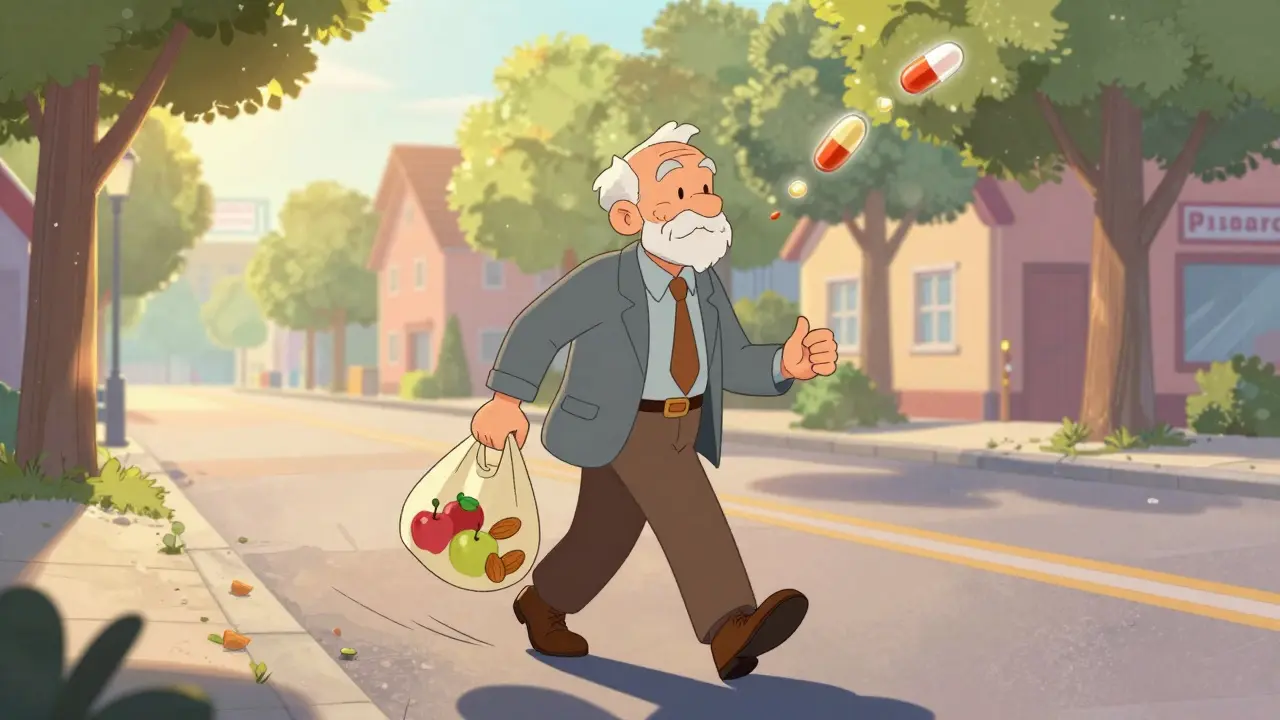
Every year, over a million people in the U.S. end up in the emergency room because of problems with their medications. These aren’t accidents from taking too much - they’re often the result of interactions, side effects, or just the sheer number of pills people are taking. This is called polypharmacy, and it’s one of the biggest hidden dangers in modern healthcare. If you’re on five or more medications, your risk of a bad reaction jumps by 300%. But here’s the thing: many of those risks don’t have to be there at all.
You don’t need to stop your meds. You don’t need to rely on expensive supplements or fad diets. The real solution is simpler than you think: small, consistent lifestyle changes can cut your medication needs in half - and make the ones you do take work better.
Why Lifestyle Changes Work Better Than You Think
Medications treat symptoms. Lifestyle changes treat the root cause.
Take high blood pressure. Most people are told to take a pill every day. But research from the New England Journal of Medicine shows that cutting sodium and following the DASH diet can lower blood pressure by 11/5 mm Hg - as much as a single pill. The same goes for Type 2 diabetes. A 2023 meta-analysis of 3.4 million people found that losing just 5-7% of your body weight through diet and movement can reduce the need for diabetes meds by up to 60% in early-stage cases.
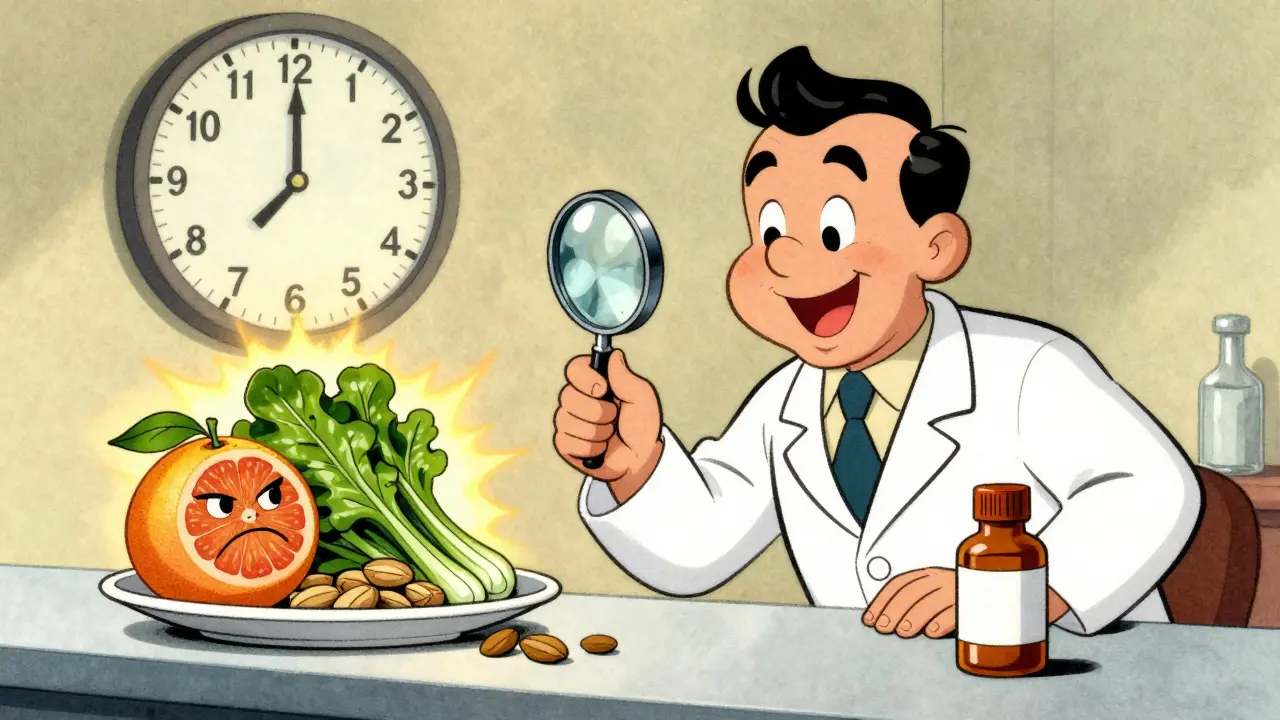
And it’s not just about cutting pills. It’s about making the ones you take safer. Grapefruit can wreck the effectiveness of statins. Leafy greens can mess with blood thinners like warfarin. Dairy can block antibiotics. These aren’t myths - they’re documented interactions that pharmacists see every day. When you change how you eat, sleep, and move, you’re not just avoiding side effects - you’re helping your body respond better to treatment.
Four Simple Changes That Make a Real Difference
You don’t need to overhaul your life overnight. Just focus on these four areas - and do them consistently.
- Move more - even a little. Walking for 30 minutes, three times a week, can lower blood pressure as effectively as some medications. It strengthens your heart, improves circulation, and helps insulin work better. You don’t need to run marathons. Just get your heart rate up until you can talk but not sing. That’s enough.
- Eat smarter - not harder. You don’t need to go keto or vegan. For high blood pressure, cut salt. For diabetes, cut sugar and refined carbs. For cholesterol, swap saturated fats for nuts, fish, and olive oil. The DASH diet isn’t a trend - it’s a proven, science-backed plan used by hospitals. And you can start today by swapping one processed snack for an apple or a handful of almonds.
- Sleep seven to nine hours. Chronic sleep loss isn’t just tiring - it’s a direct trigger for high blood pressure, insulin resistance, and weight gain. If you’re struggling to fall asleep, try turning off screens an hour before bed. Keep your room cool. Stick to the same bedtime, even on weekends. Your body doesn’t need fancy gadgets. It just needs rest.
- Stop smoking and limit alcohol. Smoking damages blood vessels, raises blood pressure, and makes heart disease worse. Cutting it out cuts your risk of heart attack by half within a year. Alcohol? Stick to one drink a day for women, two for men. More than that, and it interferes with liver function, blood sugar control, and how your body processes meds.
What to Do Before You Change Anything
Don’t quit your meds. Don’t cut doses. Don’t assume that because you’re eating better, your doctor won’t notice.
Medication changes can be dangerous if done without supervision. One person might feel fine after reducing salt and think they can stop their blood pressure pill. But their body may still be relying on that drug to stay stable. Abruptly stopping can cause spikes in pressure, dizziness, or even stroke.
Here’s how to do it safely:
- Make a list of every medication you take - including vitamins and over-the-counter pills.
- Bring it to your doctor or pharmacist. Ask: "Are there any foods or habits I should avoid?" and "Could lifestyle changes help reduce my dose?"
- Track your progress. Use a notebook or a free app to log your steps, meals, sleep, and how you feel each day.
- Wait at least 8-12 weeks before asking about adjusting meds. Lifestyle changes take time. Your body needs to adapt.
Pharmacists are your secret weapon. They know what foods interfere with what drugs. They can tell you if grapefruit is safe with your statin, or if calcium-rich foods might block your antibiotic. Ask them. They’re trained for this.
Real People, Real Results
One man in Bristol, 68, was on three blood pressure pills. He started walking 30 minutes a day, cut salt, and drank more water. Six months later, his BP dropped from 150/95 to 125/80. His doctor took him off one pill. He didn’t feel any different - but his risk of stroke dropped.
A woman in her late 50s had Type 2 diabetes. She was on metformin and insulin. She swapped sugary cereal for eggs and veggies, started walking after dinner, and got seven hours of sleep. In four months, her A1C dropped from 7.8 to 6.4. Her insulin dose was cut in half.
These aren’t miracles. They’re science. And they’re repeatable.
The Hidden Cost of Ignoring Lifestyle
People think, "I’m taking my meds, so I’m doing fine." But that’s not true.
Harvard Medical School found that patients who take blood pressure pills but keep eating junk food and sitting all day are just as likely to have heart attacks as those who don’t take pills at all. The meds mask the problem - they don’t fix it.
And the cost? It’s not just financial. It’s your energy, your mobility, your independence. People on multiple meds often feel foggy, tired, or nauseous. These aren’t "normal side effects." They’re signs your body is overwhelmed.
When you add lifestyle changes, you’re not just reducing pills - you’re getting your life back.
What’s Holding People Back?
Most people don’t fail because they lack willpower. They fail because they’re set up to fail.
Trying to overhaul your diet overnight? Too hard. Skipping workouts because you "don’t have time"? That’s not laziness - it’s a system problem.
The real barrier isn’t discipline. It’s lack of structure. You don’t need motivation. You need a plan.
Start with one change. Just one. Maybe it’s swapping soda for water. Or walking after dinner. Stick with it for three weeks. Then add another. Slow progress beats frantic starts every time.
And don’t go it alone. Join a walking group. Find a friend to cook with. Use a free app to track sleep. Small supports make big changes possible.
The Future Is Already Here
Medicare Advantage plans now cover lifestyle programs. Employers are paying for gym memberships and nutrition coaching. Hospitals are hiring lifestyle coaches. This isn’t a fringe trend - it’s becoming standard care.
And the data is clear: when people combine lifestyle changes with meds, they live longer, feel better, and spend less on healthcare. A 2024 study showed that people who followed just six healthy habits - like regular exercise, good sleep, and not smoking - cut their risk of heart attack or stroke by 60%, even if they were on powerful diabetes drugs.
You don’t need to be perfect. You just need to be consistent.
Start today. Not tomorrow. Not next Monday. Today.
Can lifestyle changes really replace medication?
No - not on their own. Lifestyle changes should be added to your medication plan, not used as a replacement. But over time, with consistent effort and medical supervision, many people can reduce their doses or even stop some medications entirely. Never make changes without talking to your doctor first.
How long before I see results from lifestyle changes?
It takes time. Blood pressure and blood sugar levels usually start improving after 4-8 weeks of consistent effort. Significant changes - like reducing a medication - often take 3-6 months. Don’t get discouraged if you don’t see results right away. Your body is rebuilding itself.
What foods interfere with common medications?
Grapefruit can block up to 85% of statins, making them less effective or more dangerous. Vitamin K-rich greens like spinach and kale can reduce the effect of warfarin. Dairy products can prevent antibiotics like tetracycline from being absorbed. Always ask your pharmacist about your specific meds - not every food affects every drug.
Do I need to join a gym or buy special equipment?
No. Walking, climbing stairs, gardening, or dancing around your kitchen all count. You don’t need a gym membership. You need consistency. Aim for 150 minutes of moderate activity per week - that’s 30 minutes, five days a week. Start with what you can do today.
Is this only for older people or people with chronic illness?
No. Even if you’re young and healthy, lifestyle changes reduce your future risk of needing medications. The habits you build now - eating well, moving regularly, sleeping enough - are the best way to avoid chronic illness later. Prevention is always easier than treatment.
Mike Hammer
February 15, 2026 AT 00:57Just started walking after dinner like the post said. Didn’t think it’d do anything, but my legs don’t feel like lead anymore. Also stopped chugging soda. Who knew water could make you feel less zombie-like?
Still eating pizza on weekends. No regrets.
Erica Banatao Darilag
February 16, 2026 AT 07:41I appreciate how clearly this was written. As someone who manages multiple medications for hypertension and cholesterol, I’ve been hesitant to make changes without professional guidance. The emphasis on consulting pharmacists was especially helpful. I’ve scheduled an appointment to review my current regimen and dietary habits. Small steps, but meaningful ones.
Josiah Demara
February 17, 2026 AT 19:18Let’s be real - this is just wellness culture repackaged as medical advice. You think eating an apple will undo decades of pharmaceutical dependency? The system is built on pills because pills are profitable. Lifestyle changes? Sure, they help - but they’re not the solution. They’re the placebo for people who can’t afford real care.
And don’t get me started on ‘DASH diet’ - it’s just the USDA’s attempt to make processed food feel virtuous.
Betty Kirby
February 18, 2026 AT 17:57Oh wow. Another ‘just walk more’ guru. Have you met anyone who actually does this? My neighbor tried it. Got a stress fracture. Then sued his doctor for not warning him. This isn’t advice - it’s a liability waiting to happen.
And please, spare us the ‘one apple a day’ nonsense. If your meds aren’t working, maybe you need better meds - not a kale smoothie.
Michael Page
February 19, 2026 AT 15:25The fundamental flaw in this narrative is the assumption that biology can be engineered through behavioral compliance. The body does not operate on moral incentives. It responds to biochemistry, not willpower. To suggest that a 30-minute walk can rival pharmacokinetics is not just reductionist - it’s a metaphysical error.
Perhaps we should stop pretending that health is a choice, and start acknowledging it as a biological lottery.
Kaye Alcaraz
February 19, 2026 AT 16:13This is exactly the kind of practical, science-backed guidance we need more of. I’ve been helping my mom navigate her medications for years, and this gives us a clear roadmap. Walking after dinner, cutting salt, sleeping consistently - these aren’t trends. They’re tools. And they work.
Thank you for not sugarcoating it. No gimmicks. Just facts. I’m printing this out for her.
Mandeep Singh
February 20, 2026 AT 08:40You Americans think you’ve discovered the secret to life. We in India have been doing this for centuries - turmeric, neem, yoga, early sleep, no processed food. And yet you still rely on pills because you’re too lazy to change. Your doctors are paid to keep you sick. Your food industry is built on poison. You think a ‘DASH diet’ is revolutionary? It’s 1947. We were eating dal and rice before you invented high-fructose corn syrup.
Stop pretending you’re innovating. We’ve been healing longer than your country has existed.
Esha Pathak
February 21, 2026 AT 08:32There’s a quiet magic in consistency. Not the loud, Instagram kind. The kind where you wake up, drink water, walk to the corner store instead of driving, and notice your chest doesn’t feel tight anymore.
I didn’t know I was tired until I stopped being tired. That’s not a miracle. That’s biology meeting behavior. And it’s beautiful.
Also, grapefruit and statins? Yeah. My pharmacist told me. I didn’t Google it. I asked. Best advice I ever got.
Daniel Dover
February 21, 2026 AT 23:02Walk more. Sleep better. Eat real food. That’s it. No fluff. No hype. Just do it.
Kapil Verma
February 23, 2026 AT 02:13Why are we even talking about this? In India, we don’t need to ‘optimize’ our health. We live. We eat. We move. We don’t need a 12-step plan to stop taking pills. You people are so disconnected from reality you think a ‘lifestyle coach’ is a real job.
Just stop eating junk. Stop sitting. Sleep. That’s the whole guide. No app. No checklist. Just stop being lazy.
Joe Grushkin
February 23, 2026 AT 14:51Of course lifestyle changes help. But let’s not pretend this isn’t a marketing scheme by Big Wellness. The real issue is that our healthcare system doesn’t pay doctors to prevent disease - only to treat it. So they sell pills. And you? You’re the product.
Want to reduce meds? Change the system. Not your diet.
Sarah Barrett
February 25, 2026 AT 05:01I used to think I was too busy to care about sleep. Then I started tracking my hours with a free app - and realized I was averaging 4.7 hours a night. Four. Point. Seven.
It took three weeks of turning off screens at 10 PM to notice the fog lifting. My blood pressure dropped. My headaches vanished. I didn’t change my meds. I just stopped sabotaging my body.
It’s not about discipline. It’s about respect. Your body isn’t a machine you run until it breaks. It’s the only one you’ve got.
Chiruvella Pardha Krishna
February 25, 2026 AT 13:25What’s missing here is the cultural context. In rural communities, where access to pharmacists is nonexistent and fresh food is a luxury, these recommendations are not just impractical - they’re cruel. This isn’t advice for everyone. It’s advice for those who already have privilege.
Until we fix healthcare access, we’re just telling the poor to work harder while the rich get coaching sessions.