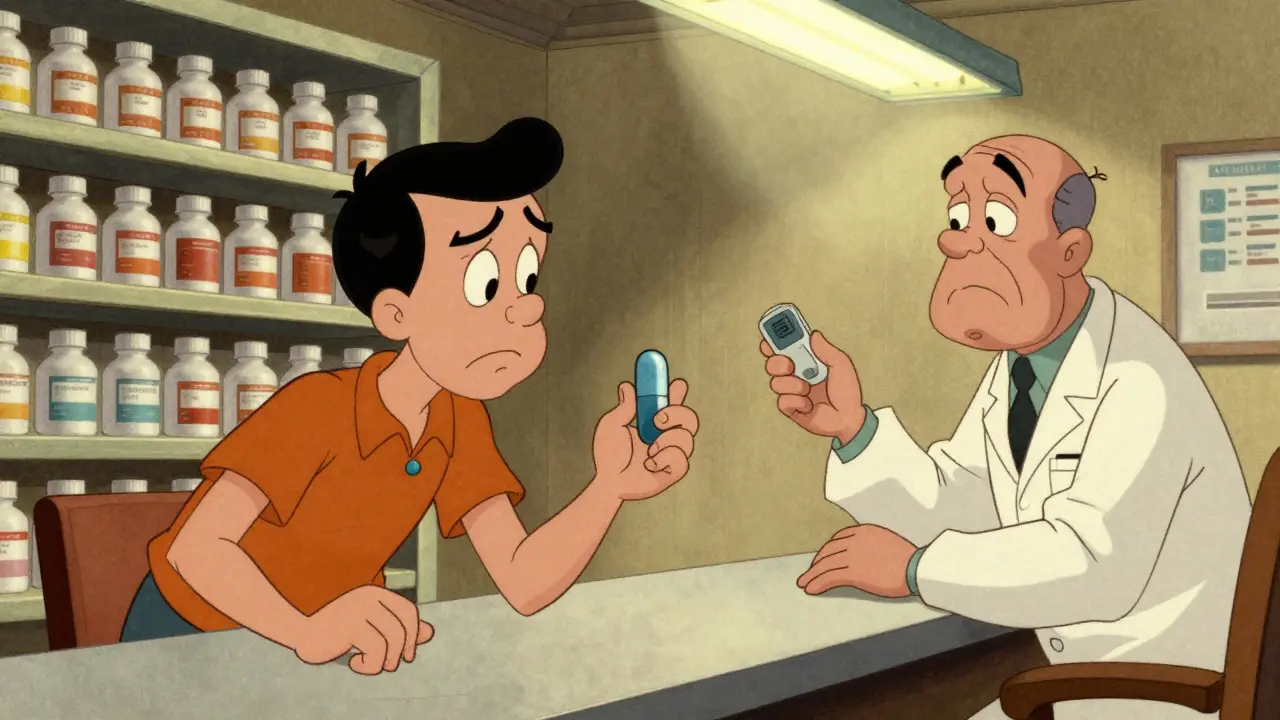
Every year, over 1.5 million people in the U.S. are harmed by medication errors - and a large chunk of those involve generic drugs. You might think generics are just cheaper versions of brand-name pills, but when it comes to safety, they come with hidden risks. A patient gets a new prescription for metformin, picks it up, and notices the pill looks different. Same name, same dose, but now it’s blue instead of white. They panic. Did they get the wrong medicine? Maybe. Or maybe it’s just a different manufacturer. That’s the problem with generics: they’re not always the same on the outside, even if they’re identical inside.
Why Generic Medications Are Riskier Than You Think
Generic drugs are required by the FDA to have the same active ingredient, strength, and dosage form as the brand-name version. But here’s what’s not required: the same color, shape, size, or inactive ingredients. That’s where things go wrong. A 2007 study of over 420,000 prescriptions found that 14.4% of all dispensing errors involved the wrong form of a drug - meaning the pill looked different than what the patient expected. For generics, that’s common. One manufacturer’s 500mg amoxicillin is a white oval. Another’s is a green capsule. A third’s is a yellow tablet. Patients don’t know that. They see a change and assume it’s a mistake - or worse, that the new pill won’t work. Even worse, some generics come from different countries with different labeling standards. A patient on warfarin might get a batch from India one month and one from Germany the next. Both are approved. Both are bioequivalent. But the pill markings, packaging, and even the instructions on the bottle can vary. That’s not a flaw in the drug - it’s a flaw in the system. And then there’s the look-alike, sound-alike problem. Drugs like hydroxyzine and hydrochlorothiazide sound similar. Their generic names? Hytrin and HCTZ. One treats anxiety. The other is a blood pressure pill. Mix them up, and you’ve got a serious problem. These errors aren’t rare. In fact, nearly half of all prescription corrections in community pharmacies are due to administrative mistakes - and many involve generic confusion.The Human Factor: When Pharmacists Miss the Signs
Pharmacists aren’t careless. Most are overworked. In a busy retail pharmacy, you might be filling 80 to 120 prescriptions an hour. That’s one every 30 to 45 seconds. In that rush, it’s easy to grab the wrong bottle - especially if two generics look alike on the shelf. One pharmacist in Bristol told me about a case where a patient got the wrong generic version of levothyroxine. The brand is Synthroid. But there are at least six different generic versions, each with slightly different fillers. One patient reported palpitations after switching from one generic to another - not because the active ingredient changed, but because the inactive ingredients affected absorption. The pharmacist didn’t know the difference. Neither did the prescriber. The patient was told it was "just anxiety." It took three months and a hospital visit to figure out the real cause. That’s the problem: most systems don’t track which manufacturer’s generic a patient is on. Electronic health records list "levothyroxine 50 mcg" - not "Levothyroxine 50 mcg, Mylan brand." So when the pharmacy switches suppliers, the patient’s record doesn’t update. No one notices - until something goes wrong.How Technology Can Stop Errors Before They Happen
The good news? We have tools to fix this. But most pharmacies aren’t using them well. Bar code scanning (BCMA) cuts dispensing errors by half. When a pharmacist scans the prescription and the pill bottle, the system checks: Is this the right drug? The right dose? The right patient? If not, it flags it. Simple. Effective. Yet only 35-40% of community pharmacies use it. Hospitals? Over 68% do. Computerized Physician Order Entry (CPOE) systems reduce errors by 55%. That’s because they prevent sloppy handwriting, wrong dosages, and duplicate prescriptions before they even reach the pharmacy. But again - most community pharmacies still rely on paper or faxed prescriptions. Clinical Decision Support Systems (CDSS) are even smarter. They check for drug interactions, allergies, and inappropriate dosing. One system caught a case where a doctor prescribed a generic version of gabapentin at 3,600 mg daily - 12 times the safe limit. The system flagged it. The doctor changed it. The patient was saved. But here’s the catch: too many alerts cause alert fatigue. If your system pops up 20 warnings for every prescription, pharmacists start ignoring them. The trick is to make alerts smart. Only warn about high-risk drugs. Only flag changes in generics that have known bioequivalence issues.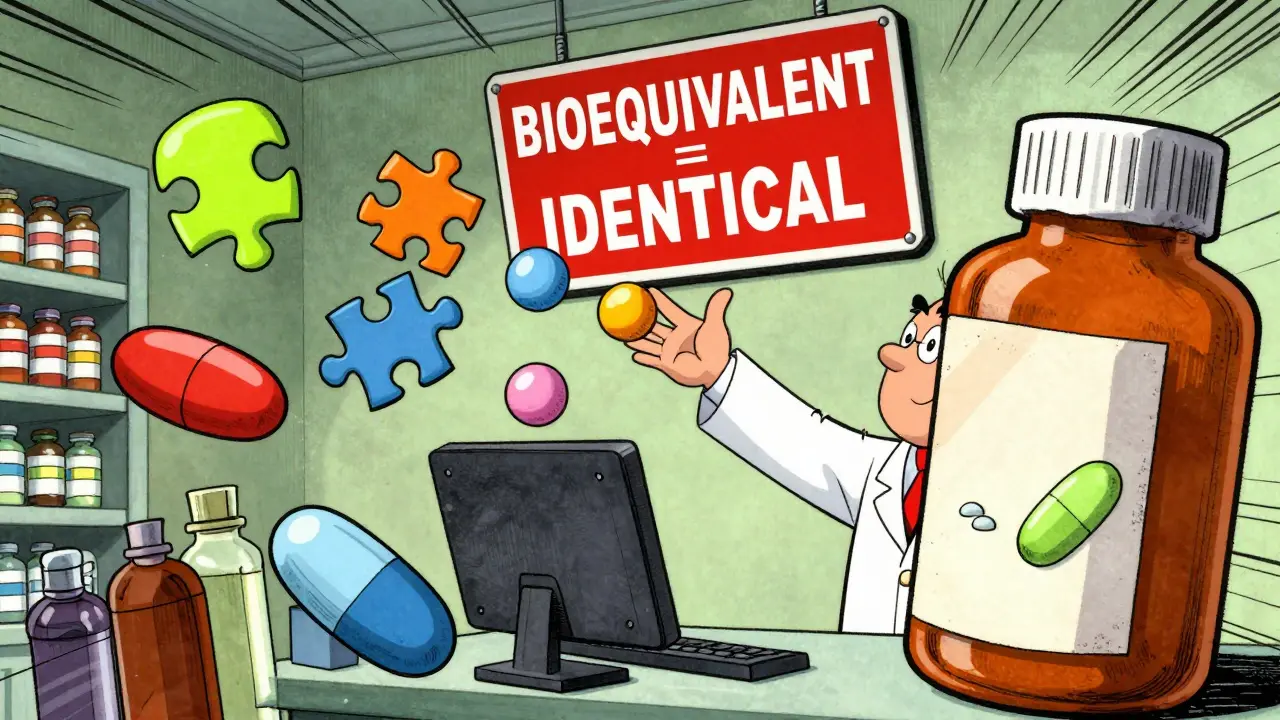
The 8 R’s: A Simple Checklist That Saves Lives
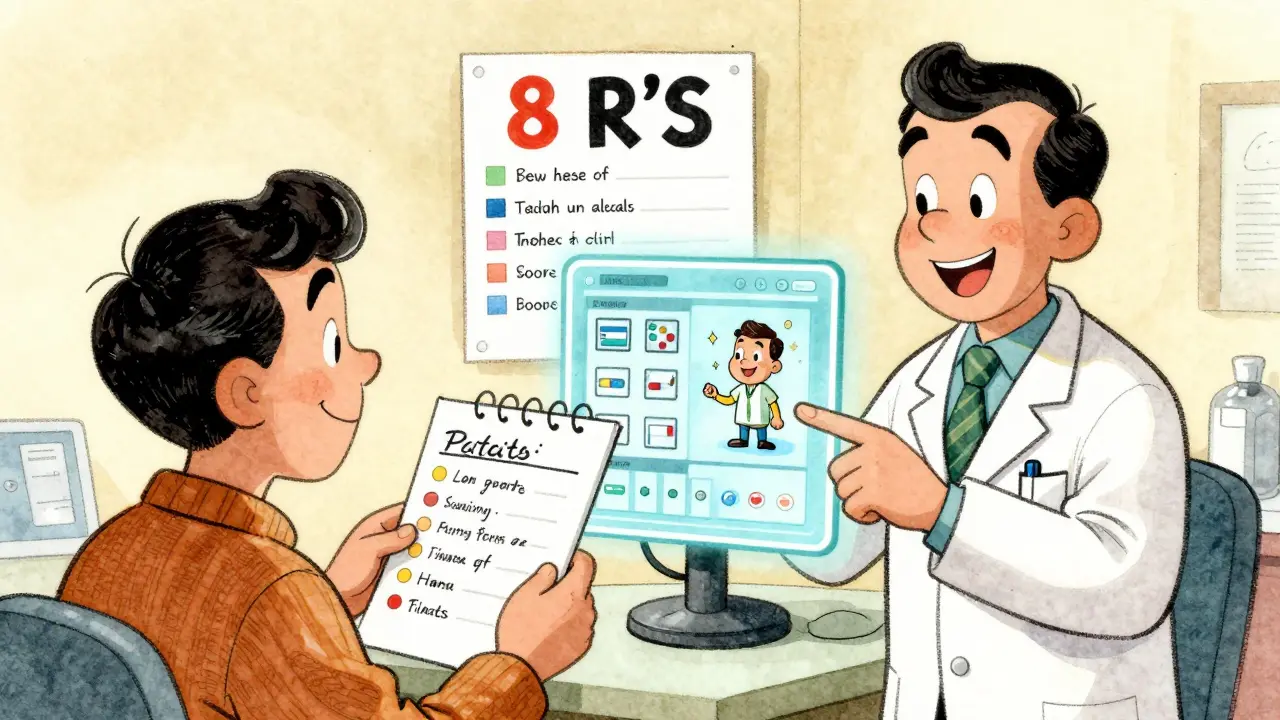
No tech system is perfect. That’s why the 8 R’s of Medication Safety still matter - especially for generics.- Right patient - Confirm identity with two identifiers. Not just name. Date of birth, address, or photo ID.
- Right drug - Don’t assume. Check the label. Compare to the prescription. Look at the pill.
- Right dose - Is it 5 mg or 50 mg? Did the prescriber mean once daily or twice weekly?
- Right time - Is this supposed to be taken with food? At bedtime? On an empty stomach?
- Right route - Is this oral? Topical? Injectable? Don’t let a typo turn a pill into an IV.
- Right documentation - Record every change. Even if it’s just a manufacturer swap.
- Right reason - Why is this drug being prescribed? Is it for the right condition?
- Right response - Did the patient report side effects? Did they say the new pills made them feel weird?
What Patients Can Do - And Should Do
You’re not powerless. If you’re on a generic drug, here’s what to do:- Ask your pharmacist: "Is this the same manufacturer as last time?"
- If the pill looks different, ask why. Don’t assume it’s a mistake - but don’t assume it’s safe either.
- Keep a list of the generic brands you’ve taken. Write down the color, shape, and markings.
- Ask for counseling on your first fill. Most pharmacies offer it for free. Use it. Studies show 15-20% of errors are caught during counseling.
- If you feel different after a switch - fatigue, dizziness, nausea - tell your doctor. It’s not "all in your head." Bioequivalence doesn’t mean identical effect in every body.
anthony martinez
January 10, 2026 AT 17:11So let me get this straight - we’re trusting our lives to pills that look like they were designed by a toddler with a Crayola set, and the FDA says ‘eh, close enough’? Brilliant. Just brilliant. I bet the guy who approved the green amoxicillin capsule had a nap during the meeting.
Ritwik Bose
January 12, 2026 AT 07:47Respectfully, the systemic challenges surrounding generic medications are deeply rooted in regulatory fragmentation and economic pressures. While bioequivalence is scientifically valid, the absence of standardized visual identifiers for patients is a critical oversight in patient safety architecture. A globally harmonized color-coding protocol, aligned with WHO guidelines, could significantly reduce cognitive load and dispensing errors.
Paul Bear
January 14, 2026 AT 01:01Let’s be precise here: the FDA’s ANDA requirements are not flawed - they’re intentionally permissive to foster competition. The real issue is the lack of mandatory manufacturer tracking in EHRs and the failure of prescribers to specify brand or ANDA filer on scripts. You can’t blame pharmacists for doing their job under impossible conditions when the system doesn’t give them the tools to do it right. And no - ‘look-alike sound-alike’ isn’t a bug; it’s a feature of the pharmaceutical supply chain’s entropy.
lisa Bajram
January 15, 2026 AT 13:32OMG YES. I switched generics for my thyroid med and felt like I’d been hit by a truck for two weeks - and my doctor just said, ‘It’s all the same!’ NOPE. IT’S NOT. I started keeping a little notebook - pill color, shape, weird little letter on it - and now I bring it to every refill. My pharmacist thinks I’m weird… but I’m alive. And my TSH is stable. 🙌
Also - if your pill looks different, ASK. Don’t be shy. Pharmacists LOVE when you ask. It means you’re paying attention. And that saves lives. 💪
Jaqueline santos bau
January 15, 2026 AT 23:55THIS IS WHY I HATE PHARMACIES. I had a panic attack last year because my ‘metformin’ turned from white to blue and I thought I’d been poisoned. I called my doctor at 2 a.m. I cried. I Googled ‘is blue pill deadly?’ I almost called 911. And the pharmacist? She laughed. Said, ‘It’s just a different maker.’ LAUGHED. I’m still traumatized. Someone needs to fix this. Like, yesterday.
Aurora Memo
January 17, 2026 AT 17:29I’ve worked in a community pharmacy for 18 years. The 8 R’s aren’t just a checklist - they’re a mindset. I’ve seen patients get the right med, but the wrong bottle, because the shelf next to it looked almost identical. We started using color-coded labels for high-risk generics. No tech, no fancy system. Just sticky notes and a little care. It cut our error rate in half. It’s not about money. It’s about remembering that behind every pill is a person who’s scared.
Jay Amparo
January 17, 2026 AT 22:34As someone who’s seen this play out in rural India too - where patients get pills from 3 different factories in a single month - I can say this isn’t just an American problem. The human fear of change is universal. But here’s the beautiful part: when we take 3 minutes to explain, ‘This is the same medicine, just a different wrapper,’ people breathe again. It’s not about the pill. It’s about trust. And trust? That’s something we can all build - one conversation at a time.
Lisa Cozad
January 19, 2026 AT 12:45Bar code scanning should be mandatory. Period. If a hospital can do it, why can’t every corner pharmacy? It’s not expensive. It’s not hard. It’s just… not prioritized. And that’s the real tragedy. We’re spending billions on new drugs while ignoring the simplest fix that could save lives today.
Saumya Roy Chaudhuri
January 20, 2026 AT 06:35Everyone’s overcomplicating this. The real problem? Patients don’t read the label. They see ‘metformin’ and assume it’s magic. If they’d just check the NDC code on the bottle - which is unique per manufacturer - they’d know instantly if it changed. But no, they want everything to be ‘easy.’ So now we’re stuck with this mess. Fix the patient, not the system.