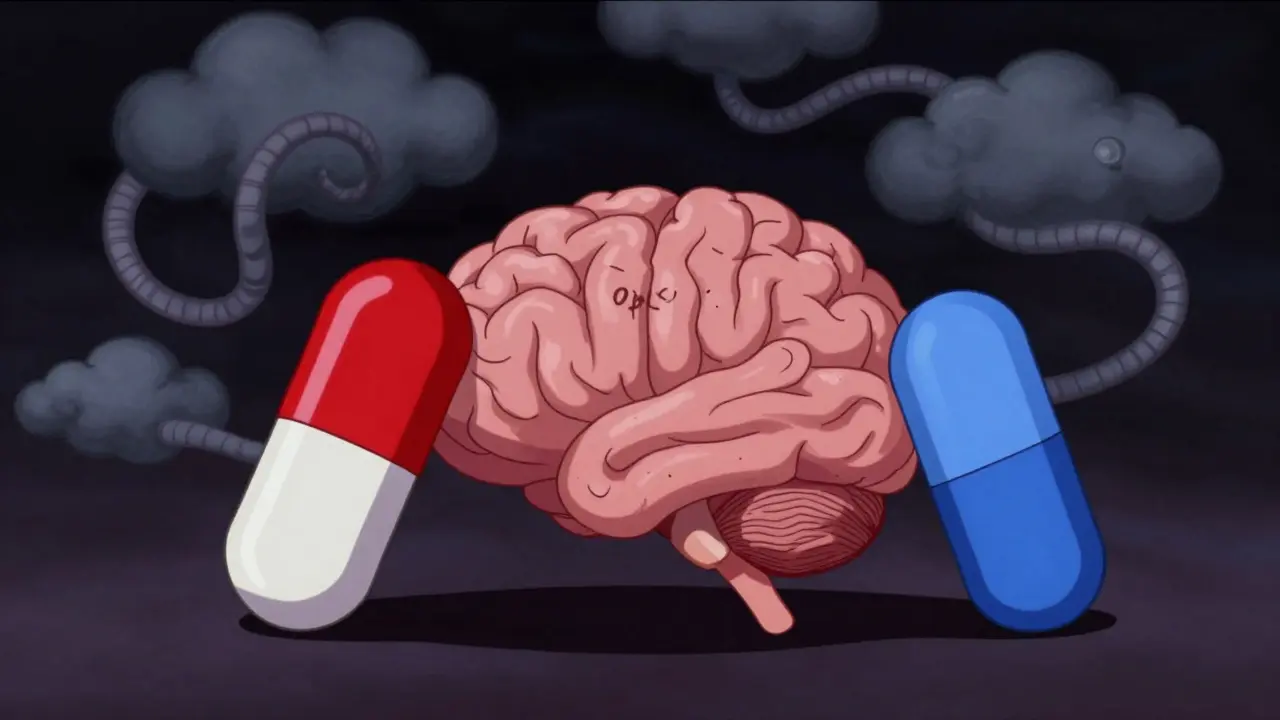
You might think taking a painkiller and an anti-anxiety medication together is harmless if both were prescribed by your doctor. But mixing opioids and benzodiazepines creates a dangerous chemical reaction in your brain that can stop your breathing entirely. This isn't just theoretical; it is a leading cause of accidental death. When these two classes of drugs meet, they don't just add up-they multiply the danger.
The U.S. Food and Drug Administration (FDA) has issued strict warnings about this combination because the risk is so high. In fact, patients taking both medications are ten times more likely to die from an overdose than those taking opioids alone. Understanding how this interaction works, recognizing the symptoms, and knowing how to manage the risk is critical for anyone prescribed these powerful central nervous system (CNS) depressants.
Why Mixing Opioids and Benzos Is Dangerous
To understand the risk, you have to look at what each drug does individually. Opioids, such as oxycodone, hydrocodone, and fentanyl, work by binding to mu-opioid receptors in the brain. Their primary job is to block pain signals, but a major side effect is that they slow down the part of your brainstem responsible for telling your body to breathe.
Benzodiazepines, often called "benzos," include drugs like alprazolam (Xanax), diazepam (Valium), and lorazepam (Ativan). These medications enhance the activity of GABA-A receptors, which calm the nervous system to reduce anxiety, muscle spasms, or seizures. A key side effect here is sedation and relaxed muscles, including those in your upper airway.
When you take them together, they attack your breathing from two different angles. The opioid tells your brain to ignore the signal to breathe when carbon dioxide builds up in your blood. Meanwhile, the benzodiazepine relaxes the muscles in your throat, causing your airway to collapse partially or fully. This creates a scenario where you might fall into a deep sleep, your airway closes, and your brain fails to wake you up to breathe. This synergistic effect means the combined impact is far worse than the sum of the parts.
| Drug Class | Primary Mechanism | Effect on Respiration | Common Examples |
|---|---|---|---|
| Opioids | Binds to mu-opioid receptors | Reduces brain's drive to breathe | Oxycodone, Fentanyl, Morphine |
| Benzodiazepines | Enhances GABA-A receptor activity | Relaxes airway muscles, causes obstruction | Alprazolam, Diazepam, Lorazepam |
| Combined Use | Synergistic CNS depression | High risk of apnea and hypoxia | N/A |
The Scale of the Crisis
The numbers behind this interaction are staggering. According to data from the Centers for Disease Control and Prevention (CDC), approximately 16% of all opioid-related overdose deaths in 2020 involved benzodiazepines. That means one in six people who died from an opioid overdose had benzos in their system.
The trend has been rising for years. Between 1999 and 2017, the rate of overdose deaths involving both opioids and benzodiazepines jumped from 0.6 per 100,000 people to 8.8 per 100,000. Even though there was a slight decline in 2020, the risk remains critically high. Research published in JAMA Network Open found that nearly 15% of Medicare beneficiaries on long-term opioid therapy were also prescribed benzodiazepines. Among these patients, high-risk combinations-such as extended-release opioids paired with long-acting benzos-occurred in over 4% of cases.
This widespread co-prescribing happened despite growing evidence of danger. From 2004 to 2011, the rate of prescribing benzodiazepines to patients already on opioids increased by 41%. The public health impact is severe, prompting the CDC to award specific research grants in 2022 to study these combined risks further.
Physiological Mechanisms of Respiratory Failure
It’s not just about feeling sleepy. The physiological changes happen quickly and can be silent. Studies cited in the Annals of Palliative Medicine show that combining these drugs leads to significantly more hypoxia (low oxygen) and hypercapnia (high carbon dioxide) than either drug alone.
In one clinical study, 85% of subjects receiving both an opioid and a benzodiazepine experienced arterial oxygen saturation dropping below 90%, compared to only 45% of those taking opioids alone. This drop in oxygen levels can damage organs without obvious outward signs until it is too late.
There is also a complex pharmacokinetic interaction to consider. Some opioids, like fentanyl and oxycodone, are metabolized by the liver enzyme CYP3A4. Certain benzodiazepines, such as alprazolam, can inhibit this enzyme. When this happens, the opioid stays in your bloodstream longer and at higher concentrations, effectively turning a standard dose into an overdose. This is why even therapeutic doses can become lethal when mixed.
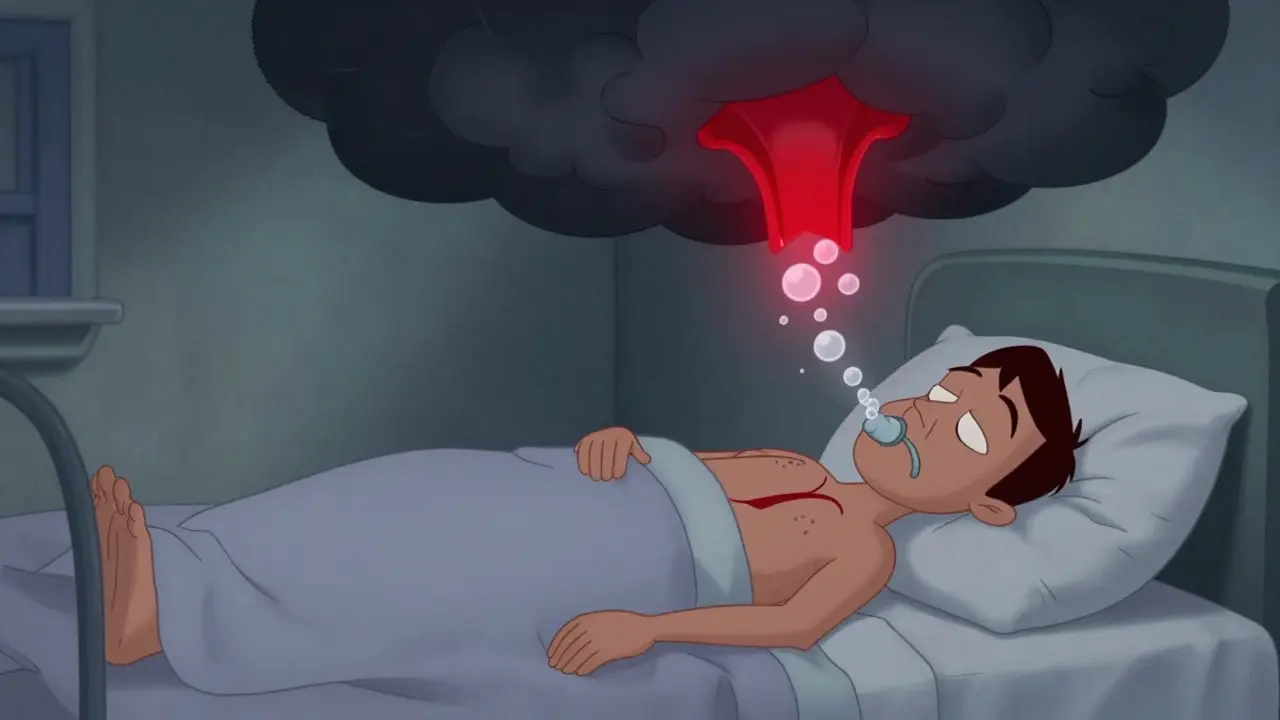
Recognizing the Symptoms of Overdose
If you or someone else is taking both medications, you need to know the warning signs. An overdose from this combination doesn't always look like a dramatic movie scene. It often looks like someone who is simply very tired or passed out.
- Extreme drowsiness: The person cannot be woken up easily or slips back into unconsciousness immediately after being roused.
- Slow or shallow breathing: Breaths may be fewer than eight per minute, or breaths may be so shallow you barely see chest movement.
- Confusion and slurred speech: Before losing consciousness, the person may appear disoriented or unable to form coherent sentences.
- Dizziness and loss of coordination: Increased risk of falls, especially in older adults.
- Pinpoint pupils: A classic sign of opioid involvement, though less reliable if other substances are present.
A particularly deceptive aspect of this interaction is that patients may appear stable while awake but suffer catastrophic respiratory failure once they fall asleep. This is why monitoring is crucial during the initial hours of taking these drugs together.
Clinical Guidelines and Safety Protocols
Medical authorities have updated their guidelines to address this crisis. The FDA issued its first Drug Safety Communication on this topic in 2016 and strengthened it in 2019 with a "Boxed Warning"-the strongest warning label available. The CDC’s 2022 Clinical Practice Guideline explicitly recommends avoiding concurrent prescribing of benzodiazepines and opioids whenever possible.
If a doctor determines that both medications are absolutely necessary, they must follow strict protocols:
- Start low: Prescribe the lowest effective dose of both medications.
- Titrate slowly: Increase doses gradually based on clinical response, not patient demand.
- Monitor closely: Watch for signs of respiratory depression and excessive sedation, especially during the first week of treatment or after any dose change.
- Educate patients: Inform patients and caregivers about the risks of mixing these drugs with alcohol or other CNS depressants.
For older adults, the American Geriatrics Society lists this combination as potentially inappropriate in their Beers Criteria due to the heightened risk of falls and cognitive impairment. In hospice care, however, the risk-benefit analysis may differ, where comfort measures might outweigh the risks for terminally ill patients under close supervision.

Managing Withdrawal and Discontinuation
If you have been taking both opioids and benzodiazepines for a long time, stopping abruptly is dangerous. Both classes of drugs cause physical dependence. Opioid withdrawal brings flu-like symptoms, nausea, and anxiety. Benzodiazepine withdrawal can trigger life-threatening seizures.
Therefore, discontinuation must be managed through a gradual tapering schedule supervised by a healthcare provider. Never stop these medications cold turkey. Your doctor will create a plan to slowly reduce the dosage of one drug before addressing the other, minimizing withdrawal symptoms and reducing the risk of rebound anxiety or pain.
What You Can Do to Stay Safe
Patient education is your first line of defense. Always tell every doctor you see about all the medications you are taking, including over-the-counter sleep aids or antihistamines, which can also depress the CNS. Ask your pharmacist to check for interactions before filling any new prescription.
If you are prescribed both drugs, keep naloxone (Narcan) at home. Naloxone can reverse opioid overdoses by blocking opioid receptors, giving you time to get emergency help. While it does not reverse benzodiazepine effects, it can restore breathing if the opioid component is driving the respiratory arrest. Ensure your family members or roommates know how to use it.
Avoid alcohol completely. Alcohol is another CNS depressant that amplifies the sedative effects of both opioids and benzodiazepines, pushing you closer to respiratory failure. Finally, never share your prescriptions. What is a safe dose for you could be fatal for someone else, especially if they have no tolerance to these substances.
Can I take ibuprofen with opioids and benzodiazepines?
Yes, generally speaking. Ibuprofen is a non-steroidal anti-inflammatory drug (NSAID) and does not depress the central nervous system like opioids or benzodiazepines do. However, you should always consult your doctor, as NSAIDs can have other side effects like stomach bleeding or kidney issues, especially if taken long-term.
Is it safe to drink alcohol while taking these medications?
No, it is not safe. Alcohol is a central nervous system depressant. Combining alcohol with opioids and benzodiazepines significantly increases the risk of severe sedation, respiratory depression, coma, and death. The FDA specifically warns against using these drugs with alcohol.
Why do doctors still prescribe both if it's so dangerous?
In some complex medical cases, the benefits may outweigh the risks. For example, a patient might need an opioid for severe acute pain and a benzodiazepine for severe muscle spasms or procedural anxiety. However, current guidelines recommend avoiding this combination whenever possible. If used, it requires careful monitoring, lower doses, and short durations.
What is the difference between an opioid and a benzodiazepine?
Opioids are primarily pain relievers that work on mu-opioid receptors. Benzodiazepines are anti-anxiety or sedative medications that work on GABA receptors. While both cause drowsiness, their primary medical purposes and mechanisms of action in the brain are different. However, both suppress breathing when combined.
How can I recognize an overdose?
Key signs include extreme difficulty waking the person, slow or stopped breathing, blue or gray tint to lips or fingernails, and limp muscles. If you suspect an overdose, call emergency services immediately and administer naloxone if available.