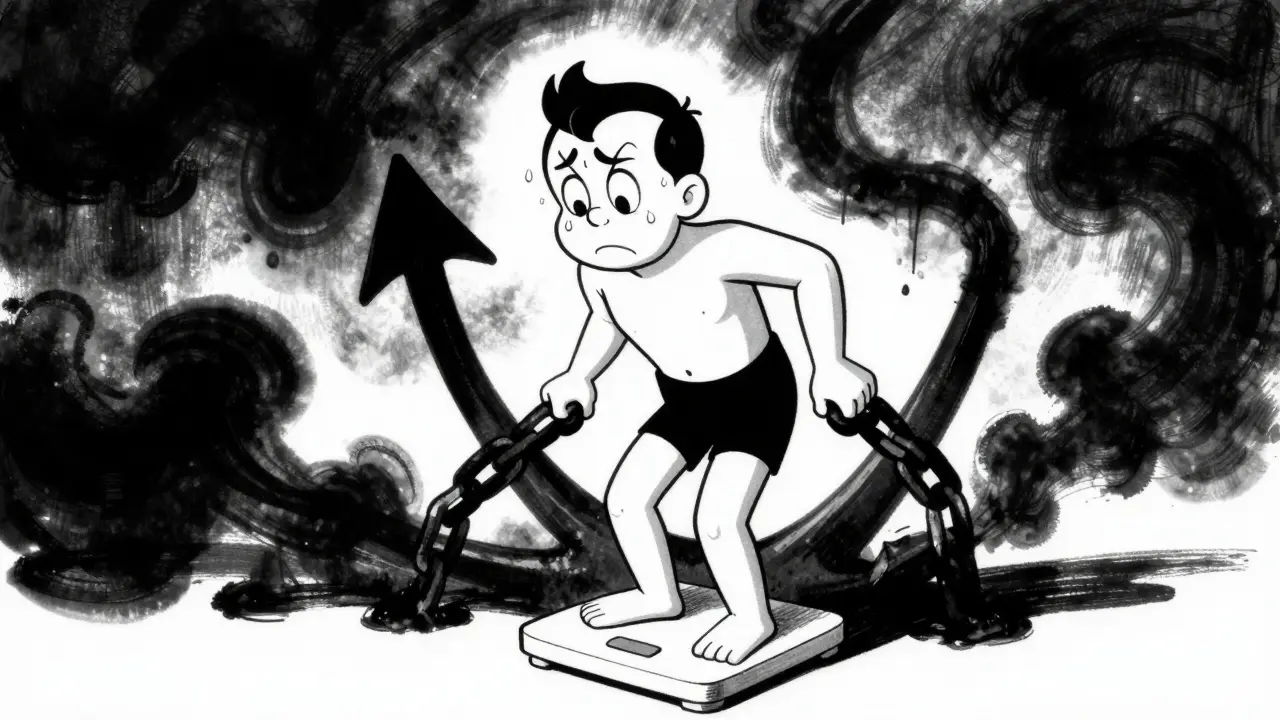
You’ve been doing everything right. You’re eating in a deficit, moving more, and tracking your macros. But the scale hasn’t budged in weeks, even though you’ve cut calories further than ever before. It feels like your body is fighting back. And scientifically speaking? It is.
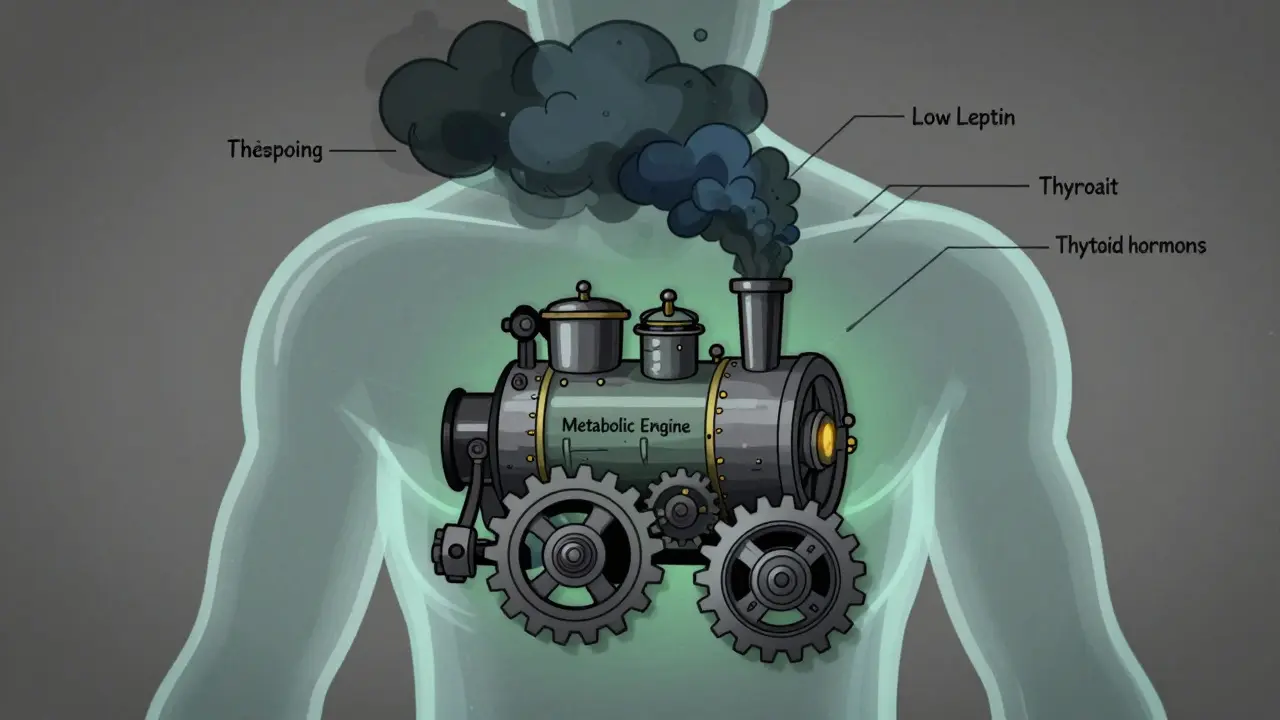
This isn’t just willpower failing you. It’s biology. Your body has a built-in defense mechanism called adaptive thermogenesis, which is a physiological process where the body reduces energy expenditure beyond what would be predicted by changes in body composition alone during periods of caloric restriction. Also known as metabolic adaptation, this mechanism evolved to keep us alive during famine, but today it often sabotages modern weight loss efforts. When you lose weight, your body doesn’t just burn fewer calories because you’re smaller-it actively slows down its engine to conserve energy.
The good news? There are evidence-based strategies to manage this response. One of the most discussed approaches is reverse dieting, which is a gradual increase in daily caloric intake following a period of restriction to restore metabolic function without significant fat gain. Let’s break down how adaptive thermogenesis works, why it happens, and how you can use reverse dieting to stabilize your metabolism.
What Is Adaptive Thermogenesis?
To understand why weight loss stalls, we first need to define what adaptive thermogenesis actually is. In simple terms, it’s the difference between how many calories you *should* burn based on your new body size and how many you *actually* burn.
Imagine two people who both weigh 150 pounds. Person A has always weighed 150 pounds. Person B used to weigh 200 pounds and lost 50 pounds through dieting. Even though they are the same size now, Person B’s body burns significantly fewer calories at rest. That gap is adaptive thermogenesis.
Resting Metabolic Rate (RMR) is the amount of energy your body uses while at rest to maintain basic life functions like breathing and circulation. Normally, RMR drops when you lose weight because there is less tissue to support. However, research shows that after weight loss, RMR drops *more* than expected. A landmark study published in The New England Journal of Medicine followed participants from the TV show "The Biggest Loser." Six years after their initial weight loss, their metabolisms were still suppressed by an average of 500 calories per day compared to predictions. This means their bodies were working overtime to hold onto every calorie they consumed.
This isn’t a broken metabolism; it’s a highly efficient one. Your body perceives sustained low calorie intake as starvation. To survive, it lowers your thyroid hormone levels, increases stress hormones like cortisol, and reduces activity in your sympathetic nervous system. The result? You feel colder, more tired, and hungrier, all while burning fewer calories.
The Physiology Behind the Slowdown
Adaptive thermogenesis isn’t magic; it’s driven by specific hormonal and cellular changes. Understanding these mechanisms helps explain why simply "eating less" eventually stops working.
Three key players drive this process:
- Leptin: Produced by fat cells, leptin signals to your brain how much energy you have stored. As you lose fat, leptin levels plummet. Your brain interprets this drop as a famine signal, triggering hunger and slowing metabolism to preserve remaining stores.
- Thyroid Hormones: Specifically T3 (triiodothyronine), which regulates metabolic speed. During caloric restriction, the body converts less T4 into active T3, effectively putting the metabolic engine into neutral gear.
- Brown Adipose Tissue (BAT): Unlike white fat, which stores energy, brown fat burns calories to generate heat. Research suggests that BAT activity decreases significantly after weight loss, reducing your body’s ability to spontaneously burn extra energy.
A 2020 study by Heinitz et al. found that after just one week of caloric restriction, participants saw an average reduction in 24-hour energy expenditure of nearly 178 calories per day due to adaptive thermogenesis alone. Over six weeks, that adds up to over 1,800 missing calories-enough to stall progress entirely if not accounted for.
Importantly, this effect varies wildly between individuals. Some people experience minimal metabolic slowdown, while others see dramatic drops. Genetics, age, previous dieting history, and muscle mass all play roles. If you’ve yo-yo dieted in the past, your body may be more sensitive to calorie cuts, making adaptive thermogenesis stronger and faster.
What Is Reverse Dieting?
If adaptive thermogenesis is the problem, reverse dieting is the proposed solution. The concept is straightforward: after a period of calorie restriction, you gradually increase your daily calorie intake to raise your metabolic rate back toward normal levels.
The goal isn’t to gain weight quickly. It’s to signal to your body that the "famine" is over. By slowly adding calories, you aim to:
- Restore leptin and thyroid hormone levels
- Reduce hunger and cravings
- Improve energy levels and workout performance
- Increase non-exercise activity thermogenesis (NEAT)-the calories you burn fidgeting, walking, and moving throughout the day
Reverse dieting is distinct from a traditional "diet break" or "refeed," which are short-term increases in carbs or calories lasting a few days. Reverse dieting is a longer-term strategy, typically lasting several weeks to months, designed to find your new maintenance level without regaining significant fat.
How to Implement Reverse Dieting Safely
Many people fail at reverse dieting because they rush the process. Adding too many calories too quickly leads to rapid fat gain, which defeats the purpose. Here’s a step-by-step protocol based on current best practices.
- Determine Your Starting Point: Begin at your current maintenance calories-the amount you’re eating to stay weight-stable after your cut. If you don’t know this, estimate it using a reliable calculator and adjust based on recent weight trends.
- Choose Your Increment: Add 50-100 calories per day every 1-2 weeks. Start with the lower end if you’ve been in a deep deficit for a long time. These extra calories should come primarily from carbohydrates and fats, as protein needs usually remain stable.
- Monitor Weight and Body Composition: Weigh yourself daily and calculate a weekly average. Aim for no more than 0.5-1 pound of weight gain per week. Most of this should be water weight and glycogen initially, not fat. Use a tape measure or progress photos to track changes in waist circumference and muscle fullness.
- Prioritize Resistance Training: Muscle tissue is metabolically expensive. Lifting weights 3-4 times per week signals your body to use incoming calories for repair and growth rather than storage. Studies show that preserving lean mass during weight loss reduces the magnitude of adaptive thermogenesis by approximately 15%.
- Adjust Based on Feedback: If you gain weight too fast, pause the increase for a week. If you feel sluggish or hungry, consider increasing slightly faster. Listen to your body’s cues-energy levels, sleep quality, and appetite are valuable data points.
For example, if you’re currently maintaining at 1,800 calories, you might move to 1,850 for two weeks, then 1,900 for the next two, and so on. This slow progression allows your hormones to adjust gradually. Dr. Gabrielle Lyon, a physician specializing in muscle-centric medicine, recommends tracking resting heart rate and morning body temperature as indirect markers. A rising trend in these metrics often indicates improving metabolic health.
Common Mistakes and Pitfalls
Even with a solid plan, reverse dieting can go wrong. Avoid these common errors:
- Rushing the Process: Jumping straight to maintenance calories after a long cut shocks your system. Gradual increases prevent sudden spikes in insulin and fat storage.
- Igoring Protein Intake: Keep protein high (1.6-2.2 grams per kilogram of body weight) throughout the reverse diet. This preserves muscle mass and keeps you satiated.
- Focusing Only on the Scale: Water retention is inevitable when increasing carbs. Don’t panic if the scale jumps up by 2-3 pounds in the first week. Look at trends over time, not daily fluctuations.
- Stopping Too Early: Many people stop once they reach their pre-cut calorie level. True metabolic recovery may require finding a new, higher maintenance point. Stay patient.
Another critical factor is consistency. Skipping workouts or binge-eating on weekends undermines the steady signal you’re trying to send to your metabolism. Treat reverse dieting with the same discipline as your cutting phase.

Does Reverse Dieting Actually Work?
The scientific consensus on reverse dieting is nuanced. While adaptive thermogenesis is a well-documented phenomenon, direct clinical trials proving that reverse dieting fully reverses metabolic slowdown are limited. Most evidence comes from observational studies, expert opinion, and user reports.
A 2022 survey of over 1,200 fitness app users found that 68% experienced metabolic adaptation after weight loss, and 42% attempted reverse dieting. Of those, 73% reported improved energy levels, and 65% noted reduced hunger. However, only 31% claimed successful long-term weight maintenance without regain. This suggests that while reverse dieting improves subjective well-being and hormonal balance, it doesn’t guarantee permanent metabolic restoration.
Dr. Catia Martins, a researcher at the University of Alabama at Birmingham, notes that adaptive thermogenesis is "one of the most misunderstood topics in nutrition science." She emphasizes that while metabolic adaptation is real, behavioral factors like underestimating food intake or overestimating exercise expenditure often play a larger role in weight regain than metabolic slowdown alone.
That said, reverse dieting remains a valuable tool. It helps transition dieters off restrictive diets, reduces psychological stress around food, and prepares the body for future cycles of training and competition. Think of it not as a cure-all, but as a bridge to sustainable lifestyle habits.
Long-Term Strategies for Metabolic Health
Reverse dieting is a short-term tactic. For long-term success, focus on building metabolic flexibility-the ability to efficiently switch between burning carbs and fats for fuel.
Key strategies include:
- Strength Training: Build and maintain muscle mass. Muscle is the primary driver of resting metabolic rate.
- High-Protein Diet: Protein has the highest thermic effect of food (TEF), meaning your body burns more calories digesting it. It also promotes satiety.
- Adequate Sleep: Poor sleep disrupts leptin and ghrelin levels, increasing hunger and decreasing metabolic rate.
- Stress Management: Chronic elevation of cortisol promotes fat storage, particularly around the abdomen, and can worsen adaptive thermogenesis.
- Periodization: Alternate between periods of slight surplus and deficit rather than staying in a constant state of restriction. This prevents your body from adapting to a single calorie level.
Emerging research also points to the gut microbiome’s role in metabolic adaptation. A 2024 study published in Obesity Journal linked specific gut bacteria profiles to the severity of adaptive thermogenesis. While probiotic interventions are still experimental, prioritizing fiber-rich foods and fermented products supports overall metabolic health.
How long does reverse dieting take?
Reverse dieting typically takes 8 to 16 weeks, depending on how severe your caloric deficit was and how quickly you want to return to maintenance. Shorter cuts may require only 4-6 weeks, while prolonged deficits lasting several months may need 3-6 months of gradual calorie increases.
Will I gain fat during reverse dieting?
Some fat gain is possible, but the goal is to minimize it. By increasing calories slowly (50-100 kcal per week) and prioritizing resistance training, most of the weight gained should be water, glycogen, and lean tissue. Expect a small amount of fat accumulation, especially if you’ve been in a deficit for a long time.
Can adaptive thermogenesis be reversed completely?
Not necessarily. Research suggests that some degree of metabolic adaptation persists long-term, especially after significant weight loss. However, its impact can be mitigated through strength training, adequate protein intake, and avoiding extreme calorie restrictions. The goal is management, not complete elimination.
Is reverse dieting suitable for everyone?
Reverse dieting is most beneficial for individuals who have completed a significant weight loss phase and are experiencing fatigue, hunger, or stalled progress. It is less relevant for those who are already at maintenance or looking to lose more weight immediately. Consult a healthcare provider if you have underlying metabolic conditions.
What is the best macronutrient split for reverse dieting?
Keep protein high (1.6-2.2g/kg body weight) to preserve muscle. Increase carbohydrates and fats to add calories, as they have a lower thermic effect and are easier to consume in larger quantities. A balanced approach might look like 30% protein, 40% carbs, and 30% fats, adjusted based on personal preference and performance.
Aswin Ashokan
June 5, 2026 AT 16:32another american obsession with optimizing every single calorie like its a stock market trade
in india we eat what is available and stay healthy without tracking macros or worrying about adaptive thermogenesis
this reverse dieting nonsense is just another way to keep people confused so they buy more supplements
Rosy Centire
June 6, 2026 AT 13:53You are fundamentally misunderstanding the physiological mechanisms at play here, which is frankly insulting to anyone who has studied endocrinology. Adaptive thermogenesis is not a myth invented by supplement companies; it is a documented survival mechanism involving leptin suppression and thyroid downregulation that occurs in response to prolonged caloric deficit. The study cited from The New England Journal of Medicine regarding 'The Biggest Loser' participants is not anecdotal evidence but rigorous clinical data demonstrating that metabolic rate can remain suppressed for years after weight loss. Your dismissal of this phenomenon as 'American obsession' ignores the universal biological reality that human bodies adapt to energy availability regardless of geography or cultural dietary habits. If you believe that ignoring metabolic adaptation leads to better health outcomes, you are advocating for a approach that inevitably leads to yo-yo dieting and increased cardiovascular risk due to repeated cycles of weight gain and loss.
Aswin Ashokan
June 7, 2026 AT 22:03stop quoting western studies that only apply to sedentary office workers who live in climate controlled boxes
people in rural areas do not have time to measure their waist circumference or track their resting heart rate
your elitist view of nutrition is detached from reality
Brian Irwin
June 9, 2026 AT 09:35i hear where you are coming from and it makes sense that you feel overwhelmed by all the data out there
the truth is that our bodies are incredibly smart and sometimes they hold onto fat because they think we are starving
reverse dieting is just a gentle way to tell your body that food is plentiful again so it can relax
you dont have to be perfect with it just try to add a little bit more food slowly and see how you feel
it helped me get my energy back after a long cut and i felt much less hungry throughout the day
Rachel Harrypersad
June 10, 2026 AT 10:53why do you care so much about other people's metabolism
its pathetic that you need an article to tell you how to eat like a normal human being
your body knows what it needs stop trying to hack biology with spreadsheets and emotional manipulation
you are all just scared of your own hunger signals because youve been brainwashed by diet culture
William Storm
June 10, 2026 AT 14:50One must consider the existential dread inherent in the concept of 'maintenance,' for it implies a static state in a universe defined by entropy and decay; thus, the pursuit of metabolic stability is merely a futile attempt to impose order upon chaos, a delusion held by those who lack the philosophical fortitude to accept their inevitable decline into metabolic inefficiency, which is, ironically, the truest form of freedom from the tyranny of optimization.
Mark Hogan
June 10, 2026 AT 22:49look man i think you are overthinking this whole thing
i tried reverse dieting last year and honestly it was pretty chill
just added some extra carbs to my meals and stopped feeling like crap all the time
no need to get all deep about entropy or anything just eat more if you are tired
also make sure you are lifting weights cause that helps burn calories too
Dave Villeneue
June 12, 2026 AT 02:44Your reliance on anecdotal experience demonstrates a fundamental lack of scientific rigor. The hormonal adaptations described in the text are not optional lifestyle choices but involuntary physiological responses to negative energy balance. To suggest that one can simply 'eat more' without strategic periodization is to ignore the complex interplay between insulin sensitivity, leptin thresholds, and sympathetic nervous system activity. You are promoting a simplistic narrative that disregards the nuanced reality of metabolic adaptation.