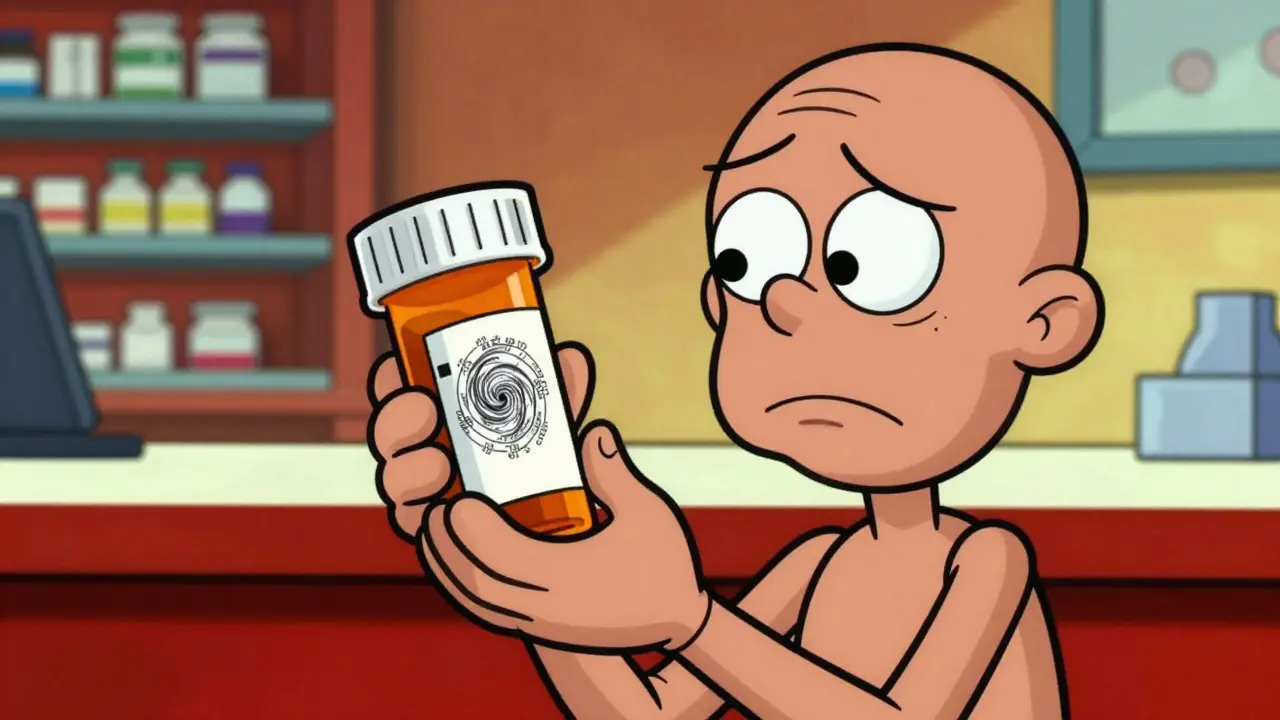
Imagine picking up a new bottle of medicine. You glance at the sticker on the side, see a bunch of numbers and medical terms, and toss it in your bag. You plan to figure out the details later. But what if that quick glance missed a critical instruction? What if you took the wrong dose or mixed it with food you shouldn't have?
This isn't just a hypothetical scenario. Studies show that nearly 80% of patients misinterpret at least one part of their prescription label. This confusion leads to preventable hospital visits and wasted money. Understanding how to read your prescription medication label correctly is not just about following rules; it is about protecting your health and ensuring the treatment actually works.
The Core Components of a Prescription Label
Every prescription label follows a standardized format designed by regulatory bodies like the FDA and state pharmacy boards. While designs vary slightly between pharmacies, the information remains consistent. Knowing where to look saves time and reduces anxiety.
Start with the top section. Here you will find the Patient Name The full legal name of the person prescribed the medication. This seems obvious, but it is the first line of defense against mix-ups, especially in households with multiple people taking similar medications. If the name is wrong, do not take the medicine. Call the pharmacy immediately.
Beneath the name sits the Medication Name Both the brand name and generic name of the drug. For example, you might see "Lipitor" (brand) and "atorvastatin" (generic). In many regions, including Canada, the generic name appears first. Always verify this matches what your doctor discussed with you. Confusing two drugs with similar-sounding names is a common error.
Next is the Prescription Number A unique alphanumeric code for refills and inquiries. Often labeled as Rx#, this number is your ticket for refills. When calling the pharmacy, give them this number rather than describing the pill. It ensures they pull up the exact record for your specific dispensing event.
Decoding Dosage and Strength
This section is where most errors occur. The label lists the Medication Strength The amount of active ingredient per unit, e.g., 20 mg tablets. If you were previously taking 10 mg and the new label says 20 mg, pay attention. Do not assume it is a printing error without checking. Doubling your dose accidentally can lead to severe side effects.
The Dosage Instructions Detailed directions on how often and how much to take are usually written in plain language, but ambiguity creeps in. Phrases like "take twice daily" are frequently misunderstood. Some patients interpret this as "every two hours," which is dangerous. The standard medical definition means once in the morning and once in the evening, roughly 12 hours apart. If the instruction is unclear, ask your pharmacist to write "morning and night" directly on the label.
Also check the Quantity Total number of units dispensed, such as tablets or milliliters. This tells you how long your supply will last. If you are told to take one tablet daily and the quantity is 30, you have a 30-day supply. Use this to calculate when you need to refill before running out.
Critical Dates and Refill Information
Medicines expire. The label includes a Discard Date The date after which the medication should be disposed of. For most solid oral medications, this is typically one year from the dispensing date. However, for liquids, eye drops, or compounded creams, this window may be much shorter-sometimes only 14 to 30 days. Taking expired medication can be ineffective or even harmful due to chemical degradation.
Look for the Refill Information Number of authorized additional fills remaining. It might say "Refills: 2" or "Do Not Refill." If it says zero, you need a new prescription from your doctor. Trying to force a refill when none are authorized will waste your time at the pharmacy counter.
Auxiliary Labels and Special Instructions
These are small stickers added by the pharmacist to highlight specific warnings. They are crucial for safety. Common examples include:
- Take with Food: Prevents stomach upset or improves absorption.
- Avoid Sunlight: Some drugs increase sensitivity to UV rays.
- Refrigerate: Essential for certain biologics and insulin.
- May Cause Drowsiness: Warns against driving or operating machinery.
Ignore these at your own risk. A study found that patients who ignored auxiliary labels had higher rates of adverse events. Treat these stickers as mandatory instructions, not suggestions.
Verification Codes and Pharmacy Details
At the bottom, you will find technical codes. In the United States, this is the National Drug Code (NDC). In Canada, it is the Drug Identification Number (DIN) An eight-digit code assigned by Health Canada to each medication formulation. These codes help insurance companies and pharmacists verify the exact product. You rarely need to memorize them, but they are useful if there is a recall or billing dispute.
Finally, the Pharmacy Information Name, address, phone number, and barcode of the dispensing pharmacy allows you to contact them quickly. Save this number in your phone. If you have a reaction or lose the label, this is who you call.
| Label Component | What It Means | Action Required |
|---|---|---|
| Patient Name | Recipient's full legal name | Verify it matches yours exactly |
| Medication Name | Brand and generic names | Confirm with your doctor's notes |
| Strength | Dosage per unit (e.g., 500 mg) | Check against previous prescriptions |
| Instructions | How and when to take | Clarify vague terms like "twice daily" |
| Discard Date | Expiration timeframe | Dispose of medication after this date |
| Auxiliary Labels | Special warnings (e.g., refrigerate) | Follow strictly to avoid side effects |

Practical Steps to Ensure Safety
Before leaving the pharmacy, spend two minutes reviewing your label. Ask yourself these questions:
- Is my name correct?
- Does the medication name match what I expect?
- Do I understand exactly when and how to take it?
- Are there any special storage requirements?
- Do I know when to refill?
If any answer is no, stay at the counter. Pharmacists are trained to explain labels in plain language. They want you to succeed. Asking questions is not annoying; it is responsible. In fact, patients who clarify instructions have significantly better adherence rates and fewer hospital visits.
For those with limited health literacy, consider asking for large-print labels or digital summaries via QR codes, which some pharmacies now offer. Technology is improving access, but human verification remains the gold standard.
Common Misconceptions and Pitfalls
Many people believe that "as needed" means they can take the drug whenever they feel like it. However, "as needed" usually has limits, such as "every 4-6 hours as needed for pain." Exceeding the frequency can cause overdose. Always check the maximum daily dose.
Another pitfall is assuming all pills look the same. Generic versions may differ in color or shape from brand-name originals. Rely on the label text, not visual memory, to identify your medication.
Lastly, do not share medications based on similar symptoms. Even if the label looks familiar, the strength or indication may differ. Sharing prescriptions is illegal and dangerous.
What does "BID" mean on a prescription label?
"BID" is a Latin abbreviation meaning "bis in die," which translates to "twice a day." It typically implies taking the medication approximately 12 hours apart, such as in the morning and evening. However, modern labels often spell this out as "take twice daily" to avoid confusion.
Can I use a medication past its discard date?
No. The discard date indicates when the medication may lose potency or become unsafe. Using expired drugs can result in ineffective treatment or unexpected side effects. Dispose of old medications properly through pharmacy take-back programs.
Why does my label have both a brand and generic name?
Regulations require listing both to ensure clarity. The brand name is the manufacturer's trademark, while the generic name identifies the active ingredient. This helps prevent errors if you switch manufacturers or if you are familiar with one name over the other.
What should I do if I don't understand the instructions?
Ask your pharmacist immediately before leaving the pharmacy. They can rewrite the instructions in simpler terms, provide diagrams, or demonstrate proper use. Never guess how to take a medication.
How do I find my prescription number for refills?
Look for "Rx#" or "Prescription Number" on the label. It is usually a series of digits near the top or bottom. You can also find it in your pharmacy's mobile app or online patient portal.