Drug Interaction Risk Calculator
How to Use This Tool
Enter two drugs to check their interaction risk. The tool uses FDA's clinical significance threshold (AUC ≥ 1.25 = significant) and enzyme systems to provide actionable guidance.
When you open a drug’s FDA label, you’re not just reading a manual-you’re holding a life-saving guide. For doctors, pharmacists, and nurses, the drug interaction tables in those labels can mean the difference between effective treatment and a dangerous adverse event. But these tables aren’t written for patients. They’re dense, technical, and packed with abbreviations that look like code. If you’ve ever stared at Section 7 and felt lost, you’re not alone. Thousands of healthcare professionals feel the same way every day.
Where to Find the Critical Info: Section 7
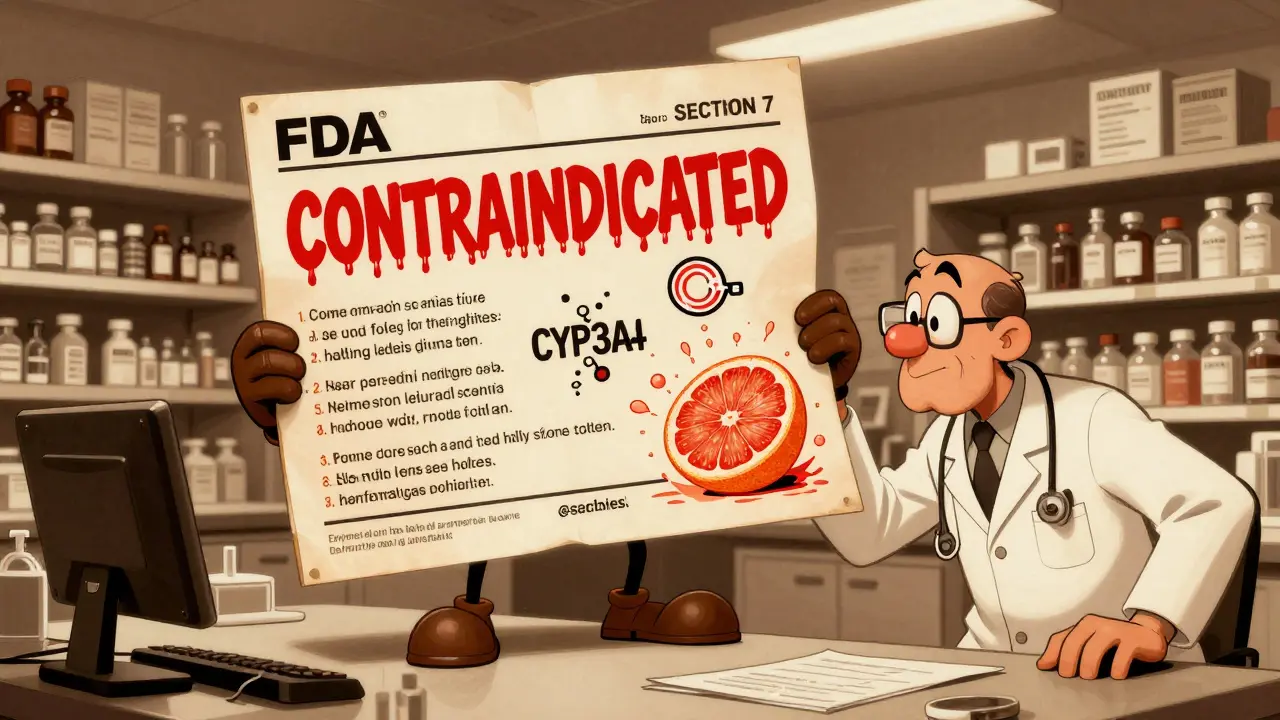
The most important part of any FDA drug label for interactions is Section 7: Drug Interactions. This section doesn’t just list possible conflicts-it tells you what to do. Out of every 100 FDA labels reviewed in 2023, 85% of the actionable advice was here. That means if you only read one part of the label, make it this one. Look for clear language: Contraindicated, Avoid concomitant use, or Dose adjustment required. These aren’t suggestions. They’re warnings backed by clinical data. For example, if a label says “Contraindicated with strong CYP3A4 inhibitors,” that means combining those drugs can spike blood levels to toxic ranges. In the case of simvastatin, that could mean rhabdomyolysis-a condition that destroys muscle and can lead to kidney failure. Don’t skip the qualifiers. Sometimes a label says “Avoid with certain azole antifungals.” That’s not vague-it’s precise. Fluconazole is risky, but ketoconazole is outright banned. The label won’t list every single drug in the class. You have to know which ones matter.The Science Behind the Warning: Section 12
Section 7 tells you what to avoid. Section 12 tells you why. This is where the real science lives: pharmacokinetics, enzyme inhibition, transporter effects. You won’t need to dig here for daily decisions, but when something doesn’t make sense, this is your backup. The FDA now uses strict thresholds to decide what counts as a real interaction. Since August 2024, any drug that increases the blood concentration (AUC) of another by 25% or more through a CYP enzyme is considered clinically significant. That’s not a guess-it’s a measurable change. For example, if a drug raises the AUC of warfarin by 1.3-fold, it’s flagged. If it raises it by 1.8-fold, it’s a red alert. Transporters matter too. Drugs like dabigatran and digoxin rely on P-gp to move through the body. If you give them with a strong P-gp inhibitor like clarithromycin, their levels can jump by 2-3 times. That’s why Section 12 includes specific fold-change numbers: “Dabigatran AUC increased by 1.7-fold with verapamil.” That’s not jargon-it’s your safety net.What to Do Next: Section 2
Section 2, Dosage and Administration, is where the rubber meets the road. If Section 7 says “dose adjustment required,” Section 2 tells you how. It’s the only place that gives exact numbers: “Reduce dose to 5 mg once daily,” or “Administer 4 hours before or after the interacting drug.” In 73% of labels with interaction warnings, Section 2 contains these precise instructions. But here’s the catch: you have to cross-reference. A label might say “Avoid with grapefruit juice” in Section 7, but only mention the timing in Section 2. Miss that, and you miss the solution. For oncology patients on multiple drugs, this becomes a puzzle. One 2024 FDA workshop transcript quoted a Boston oncologist: “I need the dosing adjustment specifics in Section 2 immediately visible without having to cross-reference three different sections.” That’s the pain point. And it’s why many hospitals now embed FDA interaction data into their electronic health records.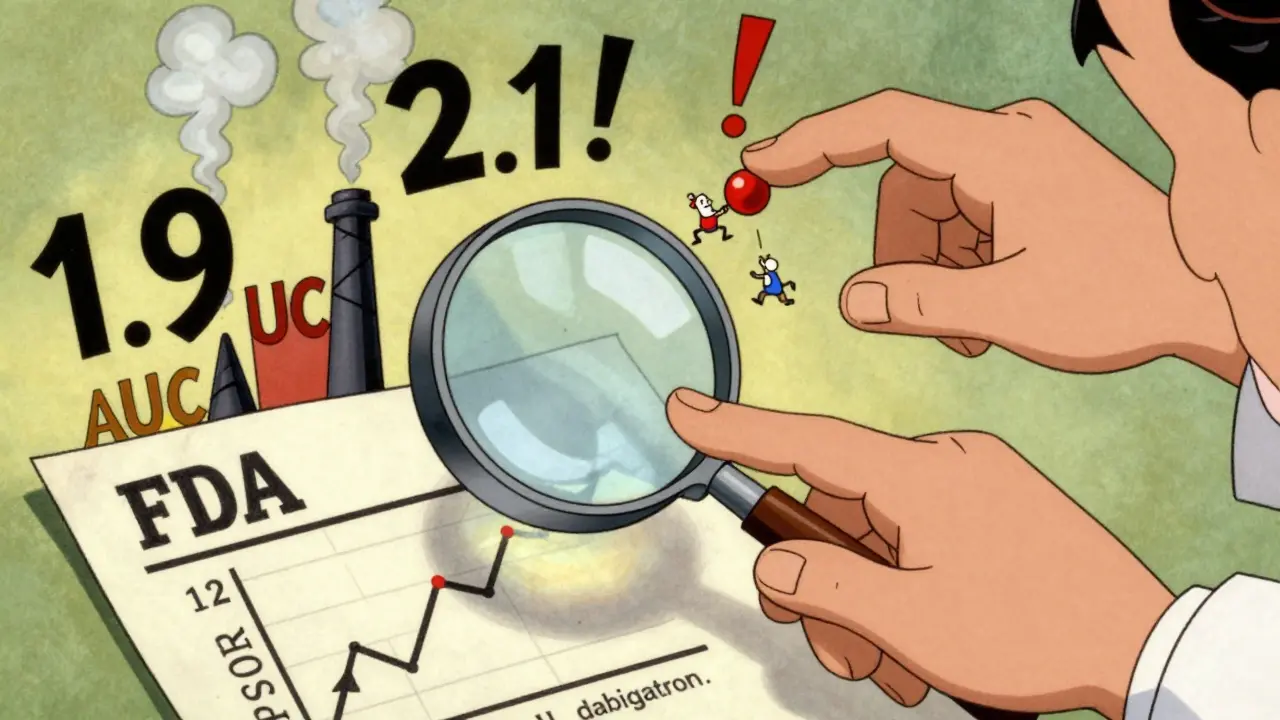
What the FDA Doesn’t Tell You
The system works well-most of the time. But it has blind spots. In 2023, the FDA found that 42% of labels inconsistently use drug classes versus specific drug names. One label says “Avoid all statins with cyclosporine.” Another says “Avoid simvastatin.” Both are correct, but the inconsistency creates confusion. If you’re treating a patient on rosuvastatin, do you stop it? The label doesn’t say. Another gap: age. The elderly make up 35% of prescription users. But most interaction studies are done on healthy adults under 65. A drug that’s safe for a 40-year-old might be dangerous for an 80-year-old with reduced liver function. The FDA acknowledges this-but doesn’t yet require age-specific warnings. Herbs and supplements? Even worse. About 20% of serious interactions involve things like St. John’s wort, garlic, or green tea. But the FDA doesn’t require standardized testing for them. So you’ll rarely see them listed-even though they’re clinically relevant.How to Use This System in Practice
You don’t need to be a pharmacologist to use FDA labels effectively. Here’s the three-step method used by top hospital pharmacies:- Start with Section 7. Look for contraindications and avoidances first. Flag anything that says “Do not use.”
- Check Section 2. If a dose change is needed, write it down. Don’t assume you’ll remember.
- Only go to Section 12 if you’re unsure. Use it to understand the mechanism-not to make decisions.
Why This Matters in Real Life
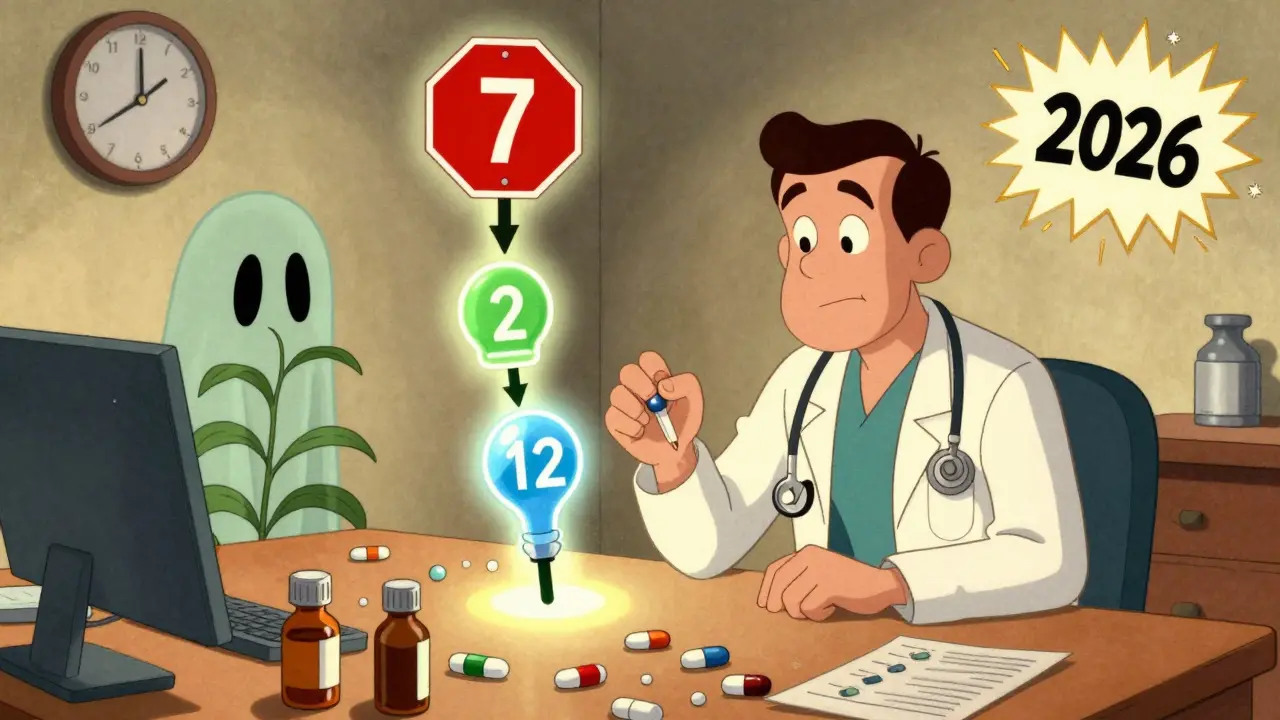
In 2023, the FDA estimated that proper use of these labels prevents 1.3 million adverse drug events each year in the U.S. That’s more than the population of Philadelphia. Most of those events are preventable: falls from dizziness, kidney damage from high drug levels, bleeding from anticoagulant spikes. A 2023 study in JAMA Internal Medicine found that hospitals using integrated clinical decision support systems-where FDA interaction data is built into the EHR-reduced interaction-related errors by 39%. That’s not just a statistic. It’s fewer ICU admissions, fewer lawsuits, fewer grieving families. The system isn’t perfect. But it’s the best we have. And it’s getting better. By 2025, the FDA plans to release machine-readable interaction data. That means your EHR will auto-flag conflicts before you even click “Prescribe.” By 2026, they’re testing “dynamic labeling”-where interaction info updates in real time as new studies come out.What You Need to Know Now
You don’t need to memorize every enzyme or transporter. But you do need to know these three things:- CYP3A4 is the most common enzyme involved in drug interactions. If a drug is metabolized by it, watch out for azoles, macrolides, grapefruit, and HIV meds.
- P-gp affects drugs like digoxin, dabigatran, and cyclosporine. Inhibitors include verapamil, quinidine, and some antibiotics.
- AUC increase ≥1.25 = clinically significant. That’s the FDA’s new threshold.
What does 'contraindicated' mean in an FDA drug interaction table?
'Contraindicated' means the combination should never be used because the risk of serious harm-like organ failure, severe bleeding, or life-threatening arrhythmias-is too high. This is not a suggestion to reduce the dose. It’s a hard stop.
Why do some drug labels warn about a class but not specific drugs?
This inconsistency is a known flaw. Some manufacturers test only one or two drugs in a class and assume the whole class behaves the same. But not all drugs in a class are equal. For example, fluconazole inhibits CYP3A4, but caspofungin does not. Always check the specific drug, and if in doubt, consult a pharmacist or reference database like Lexicomp or Micromedex.
Are herbal supplements covered in FDA interaction tables?
Rarely. The FDA doesn’t require standardized testing for herbs or dietary supplements, so they’re often left out-even when they cause real interactions. St. John’s wort, for instance, can reduce blood levels of birth control pills, cyclosporine, and some antidepressants by up to 60%. Always ask patients about supplements, even if the label doesn’t mention them.
How do I know if an interaction is based on strong evidence?
Look for AUC fold-change numbers in Section 12. If the label says “AUC increased by 2.1-fold” or “Cmax increased by 1.8-fold,” that’s based on clinical trials. If it just says “may interact,” that’s theoretical-often from lab studies only. The FDA requires clinical data for warnings in Section 7.
Can I rely on my EHR’s interaction checker?
Use it as a tool, not a final answer. EHR systems pull from multiple databases, and not all are updated to the latest FDA standards. Some still use outdated thresholds or miss newer drugs. Always double-check the official FDA label for critical decisions, especially with anticoagulants, anti-seizure drugs, or cancer therapies.
sonam gupta
December 29, 2025 AT 16:52Section 7 is all you need. No fluff. No PhD required. If it says contraindicated, you don't prescribe. Simple. Done. Stop overthinking it.
Julius Hader
December 29, 2025 AT 18:30This is exactly why I love real medicine. Not algorithms. Not apps. Just good ol' label reading. 🙌
Thanks for laying this out so clearly. I've been telling my residents this for years. Now I can just link them here.
Vu L
December 31, 2025 AT 04:56Wait so you're telling me the FDA actually wants us to read? Like... actually read? Not just copy-paste from UpToDate? 😂
Yeah right. My EHR auto-fills everything. If it doesn't yell at me, I assume it's fine.
James Hilton
December 31, 2025 AT 07:09Y’all are still reading labels? Bro. I got an AI that reads the label, summarizes it in bullet points, and sends me a meme about how we’re all doomed.
But hey - at least I’m efficient. 🤖💊
Mimi Bos
December 31, 2025 AT 22:26so like… section 7 is the most important? i thought it was section 12? or wait… was it section 2? i think i mixed it up. oops. 😅
but i do always check grapefruit juice. that stuff is wild.
Payton Daily
January 2, 2026 AT 02:09Let me ask you this - if the FDA can’t even standardize how they name drug classes, how can we trust them to save lives?
It’s not about reading labels. It’s about the system being broken. We’re treating symptoms, not causes. The real issue is capitalism turning healthcare into a puzzle designed to confuse the powerless.
And don’t get me started on how they ignore the elderly. It’s genocide by bureaucracy.
Sydney Lee
January 3, 2026 AT 07:49While your three-step method is technically correct, it lacks epistemological rigor. You assume Section 7 is authoritative - but authority is a social construct. The FDA’s thresholds are arbitrary, derived from industrial consensus, not ontological truth.
Furthermore, the reliance on AUC fold-changes ignores pharmacodynamic variability. You’re not reading a label - you’re performing ritualistic obedience to a technocratic myth.
And yet… I still check Section 2. Because even myths can be useful.
oluwarotimi w alaka
January 4, 2026 AT 09:58they dont want us to read the labels cause then we’d see how they let pharma write them
st johns wort not listed? ofc not. they dont want you to know the truth. its all controlled. even the herbs are rigged. wake up.
they know what happens when people start thinking for themselves.
Debra Cagwin
January 5, 2026 AT 20:30For anyone just starting out - this is gold. Seriously. Take 10 minutes a day and read one label. Don’t rush. Highlight the contraindications. Write down the dose adjustments.
You don’t need to memorize everything. Just get curious. And when you’re unsure? Ask a pharmacist. They’re the unsung heroes of patient safety.
Keep going. You’re doing better than you think.
Hakim Bachiri
January 6, 2026 AT 03:28Let me just say - if you’re not using Lexicomp, Micromedex, AND the FDA label, you’re not practicing medicine - you’re gambling with people’s lives.
And if your EHR doesn’t auto-flag P-gp inhibitors with dabigatran? You’re using garbage software. I’ve written 12 complaints to my hospital admin. They still haven’t upgraded.
Also - grapefruit juice? It’s not just grapefruit. It’s pomelo. It’s Seville oranges. It’s that fancy juice you bought at Whole Foods. Stop pretending you’re safe.