Goldenseal Medication Interaction Checker
Check Your Medications
Goldenseal inhibits key liver enzymes (CYP3A4, CYP2D6, CYP2C9, CYP1A2, CYP2E1) that process 75% of prescription medications. Enter your medications to see potential risks.
Enter your medications above to see if they interact with goldenseal.
Many people turn to goldenseal when they feel a cold coming on or want to boost their immune system. It’s marketed as a natural remedy for sinus infections, sore throats, and digestive issues. But if you’re taking any prescription medications, goldenseal could be more dangerous than you think. The real risk isn’t just side effects-it’s how it quietly interferes with the way your body processes drugs, especially through your liver.
How Goldenseal Messes With Your Liver’s Cleanup Crew
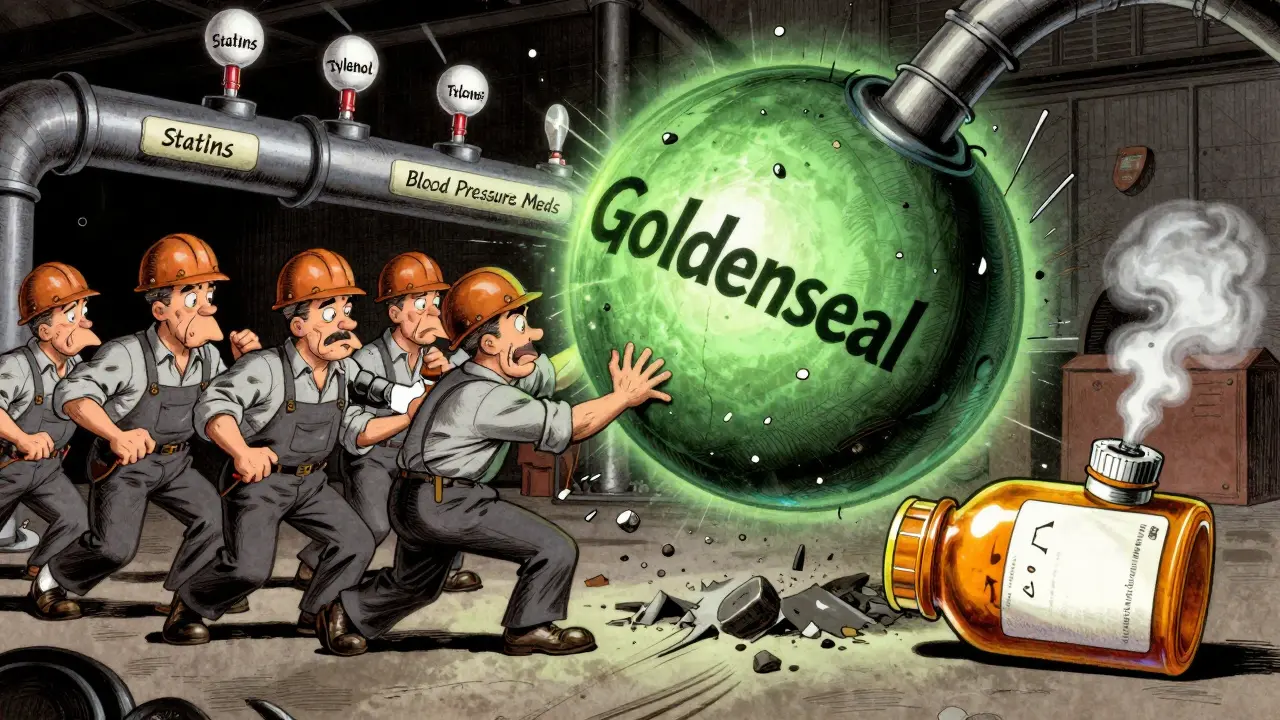
Your liver doesn’t just filter toxins. It’s also the main factory that breaks down most of the medications you take. This job is handled by a group of enzymes called cytochrome P450, or CYP enzymes. About 75% of all prescription drugs rely on these enzymes to be processed and eliminated from your body. Goldenseal doesn’t just gently nudge this system-it slams the brakes. The active ingredients in goldenseal-mainly berberine and hydrastine-are powerful inhibitors. They block five key CYP enzymes: CYP3A4, CYP2D6, CYP2C9, CYP1A2, and CYP2E1. That’s not just one or two drugs. That’s half the medications on the market. For example, CYP3A4 handles statins like simvastatin, blood pressure meds like amlodipine, and even anxiety drugs like midazolam. If goldenseal shuts down CYP3A4, those drugs stick around longer than they should. That can lead to toxic buildup. A 2011 NIH study showed goldenseal suppressed CYP2E1 by nearly 80% in animal models. That’s especially worrying because CYP2E1 breaks down acetaminophen (Tylenol). If you take goldenseal and then use acetaminophen for a headache, you could be increasing your risk of liver damage without realizing it.What Medications Are at Risk?
You don’t need to be on a complex cocktail of drugs to be in danger. Even common prescriptions can become risky when mixed with goldenseal. Here’s what you need to watch for:- Blood pressure meds like lisinopril, metoprolol, or amlodipine-goldenseal can cause your blood pressure to drop too low, leading to dizziness, fainting, or even ER visits.
- Diabetes drugs like metformin-goldenseal can interfere with how your body absorbs them, causing blood sugar to spike or crash unpredictably.
- Warfarin (a blood thinner)-goldenseal can increase INR levels by 1.5 to 2.0 points, raising your risk of dangerous bleeding.
- Immunosuppressants like cyclosporine or tacrolimus-used after organ transplants. Goldenseal can push these levels too high, causing kidney damage or other serious side effects.
- Antidepressants like fluoxetine or sertraline-CYP2D6 inhibition can cause serotonin buildup, leading to agitation, rapid heart rate, or even serotonin syndrome.
- Statins like atorvastatin or simvastatin-higher levels mean increased risk of muscle damage and liver stress.
One case reported in Pharmacy Times involved a 68-year-old diabetic patient whose HbA1c jumped from 6.8% to 8.2% in just four weeks after starting goldenseal. His metformin wasn’t working anymore-not because his diabetes got worse, but because the supplement blocked its absorption.
Why Goldenseal Is Worse Than Other Herbs
You might think, “Other herbs like St. John’s Wort or milk thistle interact with meds too.” But goldenseal is different. Most herbs affect one or two enzymes. Goldenseal hits five at once. That’s why it ranks as the third-highest risk herb for drug interactions-behind only grapefruit juice and St. John’s Wort. St. John’s Wort is dangerous because it *speeds up* drug metabolism, making medications like birth control or antidepressants ineffective. Goldenseal does the opposite-it *slows things down*, which is just as risky but harder to spot. You don’t feel like the drug isn’t working-you feel like you’re overdosing. And here’s the kicker: goldenseal supplements aren’t standardized. A 2022 study by the United States Pharmacopeia found that only 38% of products contained berberine within 20% of what the label claimed. One bottle might have 0.5% berberine. The next might have 8%. That means one person could get a mild interaction, while another ends up in the hospital-both taking “the same dose.”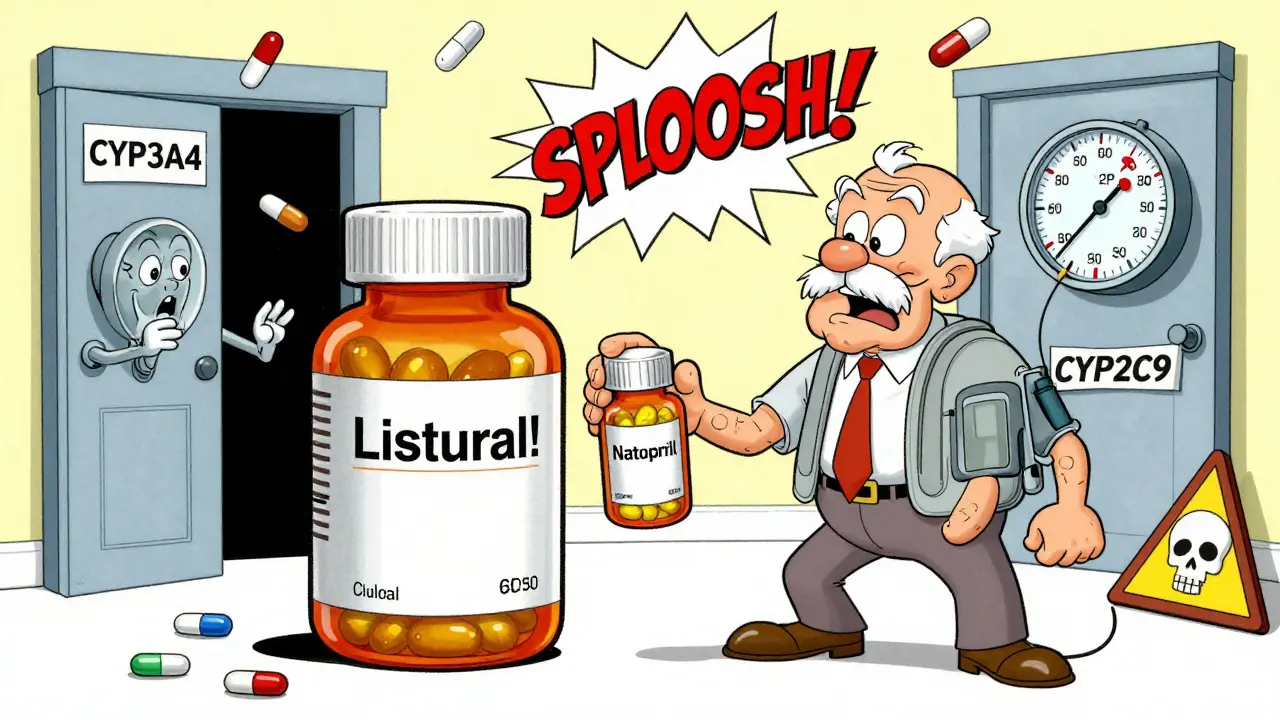
Real People, Real Consequences
Online forums are full of stories that sound like warnings from a medical textbook. On Reddit, a user named “HypertensionWarrior” shared how he ended up in the ER after combining goldenseal with lisinopril. His blood pressure crashed to 85/50. He didn’t know the supplement could do that. He thought it was “natural,” so it must be safe. A 2023 review of 157 patient reports on MedicineNet showed that 28% had negative reactions when mixing goldenseal with prescription drugs. The most common issues? Low blood pressure and uncontrolled blood sugar. Only 3% of users who reported positive results mentioned taking goldenseal alongside any medication. The rest were clear: “I only used it when I wasn’t on anything else.”What Should You Do?
If you’re taking any prescription medication, the safest answer is simple: don’t take goldenseal. Not even for a few days. Not even if you think it’s “just for a cold.” If you’ve already been using it, stop immediately. The effects of goldenseal can linger for up to two weeks after you quit. That means if you’re scheduled for surgery or need to start a new medication, you need at least a 14-day gap before you’re truly clear. Talk to your pharmacist. Most pharmacies have free online tools-like the American Society of Health-System Pharmacists’ CYP interaction checker-that can tell you if your meds are risky with goldenseal. You don’t need to guess. Just type in your medications and get a clear answer.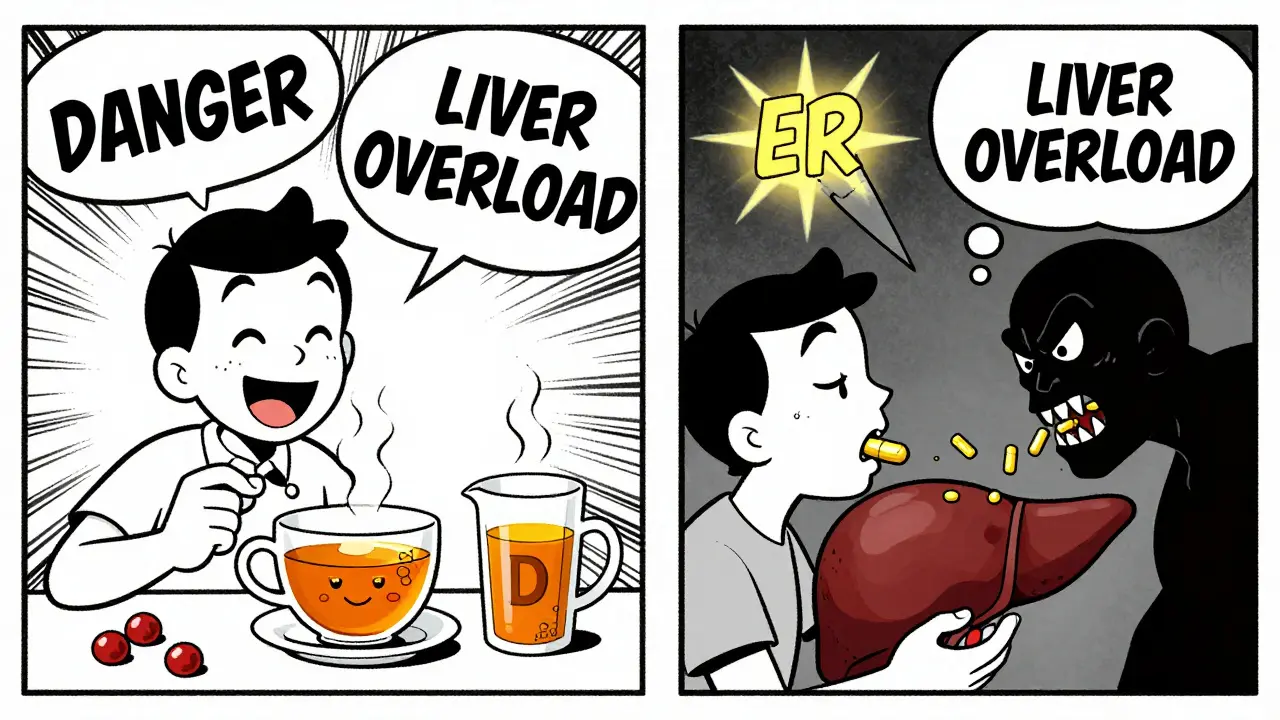
What About Natural Immune Support?
If you’re looking for alternatives to goldenseal that won’t interfere with your meds, there are safer options. Elderberry, zinc, and vitamin D have solid evidence for supporting immunity without major enzyme interactions. Honey and saltwater gargles work well for sore throats. Steam inhalation helps with congestion. You don’t need risky herbs to feel better.What’s Changing Now?
The FDA has issued warnings to 12 supplement makers for claiming goldenseal treats infections-because there’s no proof it does. Meanwhile, the National Institutes of Health launched a $2.3 million study in 2023 to track how goldenseal interacts with 10 common drugs in 120 volunteers. Results won’t be out until late 2025, but the writing’s on the wall: regulators are taking this seriously. The European Medicines Agency has already banned goldenseal from medicinal products. The U.S. still allows it as a supplement-but only because of outdated laws, not because it’s safe.Bottom Line
Goldenseal isn’t a harmless herbal tea. It’s a potent biochemical disruptor that can change how your body handles life-saving medications. The risk isn’t theoretical. It’s documented. It’s happening. And it’s preventable. If you’re on any prescription drug, skip goldenseal. There’s no benefit worth the danger. Talk to your doctor or pharmacist before trying any new supplement-even if it says “natural” on the label. Your liver won’t thank you, but your health will.Can I take goldenseal if I’m not on any medications?
Even if you’re not on medications, goldenseal isn’t risk-free. It can still cause stomach upset, allergic reactions, or liver stress in some people. Plus, its effects can linger for up to two weeks, so if you start a new drug later-like an antibiotic or painkiller-you could still have an interaction. It’s safer to avoid it entirely unless you’re under direct medical supervision.
How long does goldenseal stay in my system?
Goldenseal’s enzyme-inhibiting effects can last 7 to 14 days after you stop taking it. That’s why experts recommend a two-week washout period before starting any new medication that’s metabolized by the liver. Don’t assume it’s gone just because you stopped a few days ago.
Is there a safe dose of goldenseal?
There’s no proven safe dose when you’re on medications. Even low doses (like 500 mg daily) can inhibit liver enzymes enough to cause problems. And because supplement labels are often inaccurate, you can’t even be sure how much you’re getting. The only safe dose for people on prescriptions is zero.
Can I take goldenseal with over-the-counter drugs like ibuprofen or Tylenol?
Ibuprofen is mostly processed by CYP2C9, which goldenseal inhibits. That could increase your risk of stomach bleeding or kidney stress. Tylenol (acetaminophen) is broken down by CYP2E1-goldenseal suppresses this enzyme by nearly 80%, which may force your liver to use riskier pathways, increasing the chance of liver damage. Avoid combining them.
Are there any supplements that are safer than goldenseal for immune support?
Yes. Vitamin D, zinc, elderberry, and echinacea (in moderation) have better safety profiles and less interaction risk. Honey, steam inhalation, and saltwater gargles are also effective for symptom relief without affecting liver enzymes. Stick to these instead.
Evan Smith
January 8, 2026 AT 22:51So let me get this straight-I spend $20 on a bottle of goldenseal thinking I’m being ‘natural,’ and I’m actually playing Russian roulette with my liver? Thanks for the heads-up. I just threw mine in the trash. 🗑️
Molly Silvernale
January 10, 2026 AT 03:38It’s not just the enzymes-it’s the illusion of safety, isn’t it? We’ve been sold a fairy tale: natural = harmless, herbal = gentle, supplement = guilt-free… and yet, our bodies don’t care if it’s from a tree or a lab-they only care if it’s active. Goldenseal? It’s not a tea. It’s a biochemical landmine with a smiley face on the label.
And the worst part? We don’t even know how much we’re ingesting. One pill might be a whisper, the next a scream. Labels are guesses. Regulators are asleep. And we’re the ones waking up with a failing liver and a $12 receipt.
Why do we keep doing this? Why do we trust a jar more than a pharmacist? Maybe because ‘natural’ sounds like love. But love doesn’t lie. And goldenseal? It’s a liar in a leaf.
christy lianto
January 10, 2026 AT 10:10STOP. RIGHT. NOW. If you’re on meds and you’re even THINKING about goldenseal-just stop. I’ve seen people end up in the ER because they thought ‘natural’ meant ‘safe.’ It doesn’t. It means ‘unregulated’ and ‘untested.’ Your body isn’t a lab experiment. Don’t risk your life for a placebo with teeth.
Switch to vitamin D. Eat garlic. Drink tea. Breathe. You don’t need magic potions to get through a cold.
Lois Li
January 10, 2026 AT 18:58I really appreciate how clear this post is. I work in a pharmacy and I see this all the time-people come in with a bottle of goldenseal asking if it’s okay with their blood pressure med. They’re not trying to be reckless. They just don’t know. That’s why posts like this matter. Thank you for explaining the science without the jargon.
For anyone reading this: your pharmacist is your best friend. Don’t be shy. Bring your supplements in. Ask. We’ve seen it all. And we won’t judge you-we’ll help you stay safe.
Annette Robinson
January 11, 2026 AT 08:14I used to take goldenseal every fall. Thought it was my immune system’s best friend. Then my dad had a stroke after mixing it with his blood thinner. He didn’t even know it could do that. I stopped using it the next day. I’m not trying to scare anyone-but if you’re on meds, just don’t. It’s not worth the gamble.
Luke Crump
January 12, 2026 AT 17:51Oh please. This is just Big Pharma fearmongering. People have been using goldenseal for centuries. If it was that dangerous, why is it still on the shelves? Why not ban it outright? Because the truth is-they can’t make money off a $5 herb. They want you buying $150 pills with side effects twice as bad. Wake up.
My great-grandma used it for everything. She lived to 98. Coincidence? I think not.
Manish Kumar
January 14, 2026 AT 04:46Interesting but let me tell you something from India-we have herbs like neem, turmeric, ashwagandha, and we’ve used them for 5000 years without any of this P450 nonsense. Why are Americans so scared of natural things? Is it because you don’t understand your own bodies? You have all these drugs but you still get sick. Maybe you need less chemistry and more tradition.
Goldenseal is not the enemy. The enemy is your fear of nature. Your body knows what to do. You just need to stop poisoning it with pills and start trusting the earth.
Also, why are you so obsessed with enzymes? Your liver doesn’t need a textbook to work. It’s been doing fine since Adam.
And by the way, who made you the boss of what’s safe? The FDA? They banned ayurvedic herbs in Europe. Maybe they’re scared of our wisdom.
I’m not saying goldenseal is perfect. But this post reads like a corporate ad. I smell a patent.
Aubrey Mallory
January 15, 2026 AT 10:28Luke Crump, your comment is dangerously naive. People are dying because of this exact mindset. Your great-grandma didn’t have statins, blood thinners, and antidepressants. She didn’t live in a world with 50+ daily medications. That’s not tradition-that’s ignorance dressed up as wisdom. And you’re putting lives at risk by spreading this.
If you care about herbal traditions, learn them properly. Don’t cherry-pick one herb and ignore the science behind modern pharmacology. Real tradition respects context. You’re not honoring your ancestors-you’re endangering your neighbors.
Dave Old-Wolf
January 15, 2026 AT 11:28So if I stop goldenseal today, how long before my liver enzymes go back to normal? The article says 7–14 days, but is that the same for everyone? I’m on metformin and I took it for 3 weeks. Should I wait a full month before my next blood test?
Prakash Sharma
January 16, 2026 AT 17:34What a bunch of Western nonsense. Goldenseal is a plant. Plants don’t lie. You people think science can fix everything. But science doesn’t know everything. You think your enzymes are the only way your body works? You think your lab tests tell the whole story? You’re forgetting the spirit of healing. This post is fear. Real healing is trust.
And who wrote this? A pharma rep? A lawyer? Not a healer. Not a human. Just a suit with a clipboard.
Donny Airlangga
January 18, 2026 AT 00:50I’ve been taking goldenseal for years with my blood pressure meds and I’m fine. Maybe it’s just me? Or maybe the studies are overblown? I’m not trying to be a hero, but I haven’t had any issues. Maybe it’s dose-dependent?
Kristina Felixita
January 19, 2026 AT 02:06Okay but real talk-how do you even know if a supplement has berberine? I bought one labeled ‘1000mg goldenseal root’ and the label didn’t even say ‘berberine’ anywhere. Should I be testing my supplements like a lab tech now? 😅
Also-elderberry tea is my new BFF. Tastes like Christmas and doesn’t try to kill my liver. Win win.