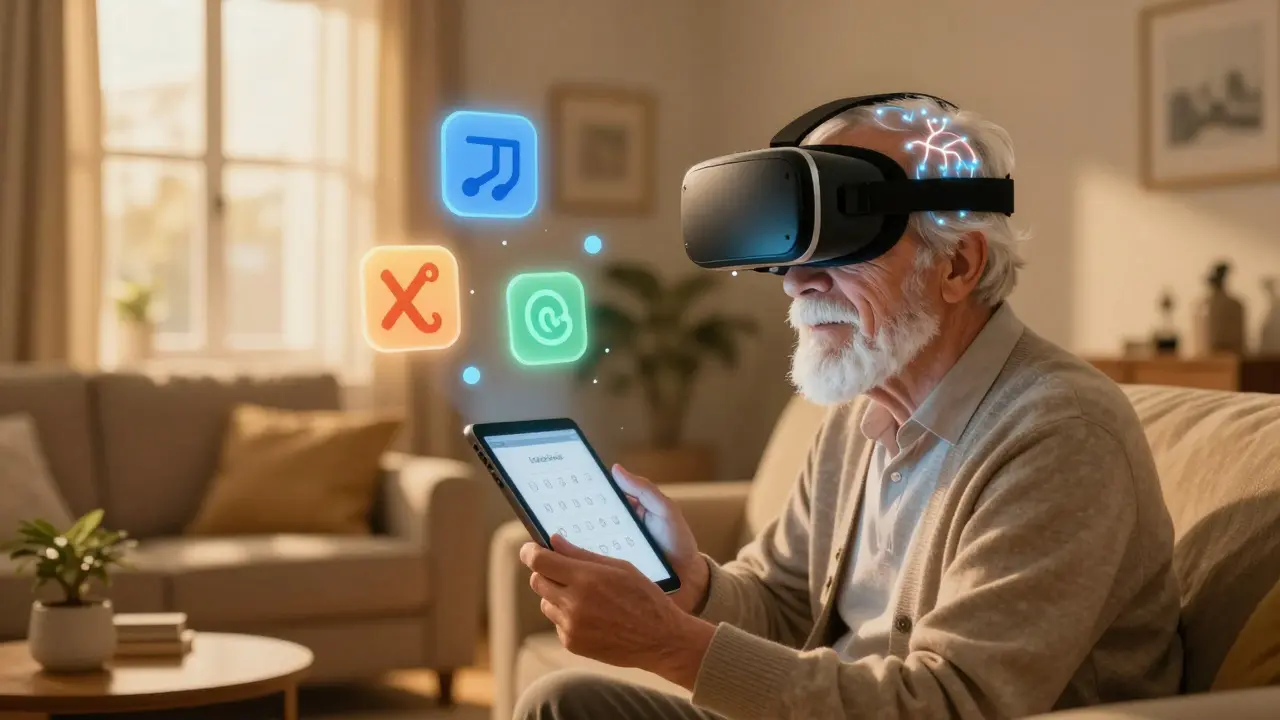
By 2026, catching cognitive decline before it turns into dementia isn’t just a good idea-it’s becoming standard care. If you’re over 65, or caring for someone who is, you’ve probably heard the term Mild Cognitive Impairment (MCI). But what does it really mean? And more importantly, what can you do about it now?
Why Screening for Cognitive Decline Matters More Than Ever
Cognitive decline doesn’t happen overnight. It starts with tiny changes: forgetting where you put your keys more often, struggling to find the right word, or having trouble following a conversation in a noisy room. These aren’t just signs of aging-they can be early signals of Alzheimer’s or another neurodegenerative condition. The big shift in 2026? We’re no longer waiting for memory loss to become obvious. New treatments like lecanemab can slow the progression of Alzheimer’s-but only if started early, before major brain damage occurs. That’s why screening isn’t optional anymore. It’s the first step in a chain that could keep someone independent for years longer.Traditional Tests Are Falling Behind
For years, doctors relied on paper tests like the MoCA (Montreal Cognitive Assessment) or MMSE (Mini-Mental State Examination). These ask you to draw a clock, remember three words, or name animals. They’re easy to use, but they’re also blunt instruments. A 2023 meta-analysis found these tools miss up to 30% of early MCI cases. Why? Because they can’t detect subtle changes in processing speed, attention, or decision-making. Someone might score perfectly on a clock-drawing test but still be struggling internally-missing the small, silent signs that matter most. And here’s the problem: if you’re using these outdated tools, you’re not just missing early warning signs-you’re delaying access to treatments that could make a real difference.The New Generation of Cognitive Screening Tools
In 2026, the most effective screening tools aren’t paper-based. They’re digital, precise, and designed to catch what the old tests can’t. Take the Virtual Reality-Based Cognitive Function Examination (VR-E). It’s not a game. It’s a controlled simulation where you navigate a virtual apartment, find hidden objects, and respond to changing scenarios-all while eye-tracking software measures where you look, how long you pause, and how your pupils react. It detects changes in spatial memory and judgment with 94% accuracy. That’s better than any paper test ever achieved. Then there’s Linus Health’s Digital Assessment of Cognition (DAC). In just seven minutes, you complete a digital clock-drawing task and a trail-making test on a tablet. But instead of just scoring whether the clock looks right, the system analyzes how you drew it: the speed of your pen strokes, how many times you lifted the stylus, the smoothness of your lines. These tiny details reveal delays in brain processing that aren’t visible to the naked eye. The Cleveland Clinic Cognitive Battery (C3B) is now being used in Medicare annual wellness visits across the U.S. It’s quick, automated, and integrates directly into electronic health records. If your score drops even slightly from last year, your doctor gets an alert. No more waiting for a crisis to act. Even simpler tools like the Rapid Online Cognitive Assessment (RoCA) are proving effective. You can do it on your phone at home. It’s not perfect-but for people who can’t get to a clinic, it’s a lifeline.What Makes Digital Tools Better?
It’s not just about accuracy. It’s about depth. Traditional tests give you one number: 24 out of 30. Digital tools give you dozens of data points: reaction time, movement precision, error patterns, even how long you hesitate before answering. Machine learning models combine these into a full picture of your brain’s health. For example, the digital Trail Making Test (dTMT-B) doesn’t just time how fast you connect dots. It measures how your hand moves-whether your strokes are jerky or smooth, whether you backtrack, whether you pause between numbers. These patterns can distinguish between cognitive slowing and motor problems like Parkinson’s. That’s something a paper test simply can’t do. And because these tools are digital, they can track your progress over time. One point drop on a MoCA might be dismissed as a bad day. But if your digital score drops 5% over six months? That’s a trend. And trends are what doctors act on.
Are These Tools Accessible to Everyone?
Not yet-and that’s the biggest challenge. A 2025 survey found 78% of Americans over 65 own a smartphone. That’s a huge leap from 10 years ago. But owning a device doesn’t mean you can use it. Many older adults struggle with small buttons, unfamiliar interfaces, or unclear instructions. One Reddit user shared how her 78-year-old mother completed the Linus Health app without help. Another user on AgingCare.com said his father failed an online test-not because of dementia, but because he couldn’t figure out how to click the right button. The solution? Design matters. Tools that work best now have large buttons, voice guidance, minimal text, and no timers. They’re built for people who didn’t grow up with touchscreens. Also, not every clinic has VR headsets or tablets. Some still rely on paper. But the trend is clear: digital is winning. The American Medical Association recommends starting with simple tools like digital clock drawing before moving to complex systems.What About Blood Tests? The Next Big Leap
The most exciting development in 2026 isn’t even a screen-it’s a blood draw. For decades, diagnosing Alzheimer’s required expensive PET scans or spinal taps to check for amyloid and tau proteins. Now, blood tests can detect those same markers with 90% accuracy. Companies like Alector and C2N Diagnostics have already brought these tests into clinical use. Imagine this: your doctor orders a routine blood test during your annual visit. A few days later, they get results showing elevated amyloid levels-even if you’re still scoring fine on cognitive tests. That’s early warning. That’s time to act. And it’s getting better. A new study from the National Institutes of Health showed that combining a blood biomarker with a digital cognitive test predicted brain changes as accurately as a PET scan. That’s huge. It means we might soon have a simple, affordable, non-invasive way to catch Alzheimer’s before symptoms even appear.How to Get Screened in 2026
If you’re over 65, ask your doctor about cognitive screening during your next visit. Medicare covers it as part of the Annual Wellness Visit. You don’t need to wait for a problem. If you’re noticing changes-forgetting names, losing track of conversations, having trouble managing bills-don’t brush it off. Say something. Ask:- Do you use digital cognitive tools like C3B or Linus Health here?
- Can we check my cognitive health this year, even if I feel fine?
- Is there a blood test for Alzheimer’s markers I should consider?
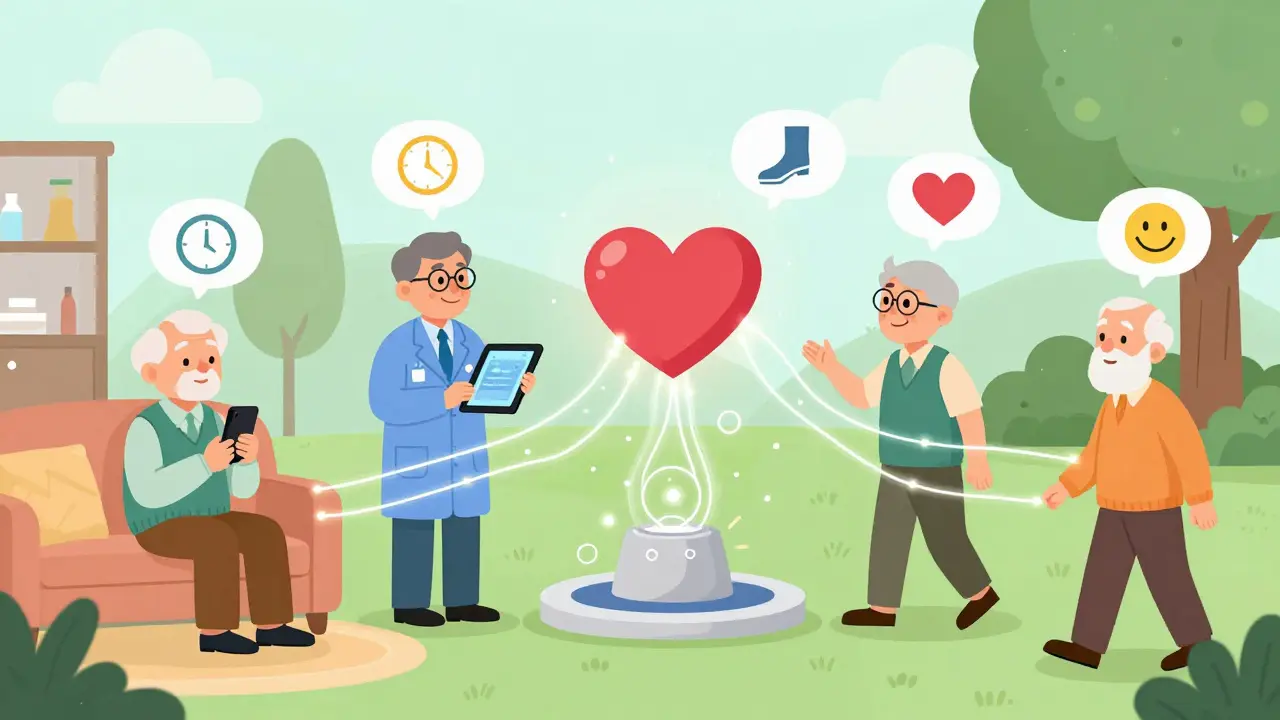
What Happens If Screening Finds Something?
Finding MCI doesn’t mean you have dementia. It means your brain is showing early signs of change. And that’s actually good news-because now you can act. Treatment options include:- Disease-modifying drugs like lecanemab or donanemab, which clear amyloid plaques from the brain.
- Lifestyle changes: aerobic exercise (150 minutes a week), Mediterranean diet, sleep hygiene, and social engagement.
- Cognitive training: apps like BrainHQ or Lumosity, proven to improve processing speed and memory in MCI patients.
- Managing vascular risk: controlling blood pressure, cholesterol, and diabetes-because heart health is brain health.
The Future Is Here-But Equity Is Still Missing
The science is advancing fast. But not everyone benefits equally. A 2025 review found that 78% of digital cognitive studies underrepresented Black, Hispanic, and low-income older adults. That’s dangerous. If the tools are trained mostly on data from white, educated, tech-savvy users, they might miss signs in other populations. The fix? More diverse data. Better design for low-literacy users. Community health workers helping people use apps at home. And policies that ensure these tools are covered by Medicaid and Medicare for all, not just those with private insurance.What You Can Do Today
You don’t need to wait for a diagnosis to protect your brain.- Get screened annually if you’re over 65.
- Ask for digital tools over paper tests.
- Know your numbers: blood pressure, cholesterol, A1C.
- Move every day-even a 20-minute walk helps.
- Stay connected. Loneliness is a bigger risk factor than smoking.
- If you’re caring for someone, don’t assume forgetfulness is just aging. Push for evaluation.
What’s the difference between normal aging and MCI?
Normal aging means you might take longer to recall a name or need to write things down more often. MCI is when these changes are noticeable to you or others, and they show up on formal cognitive tests-even if you can still manage daily tasks. People with MCI are at higher risk for dementia, but not everyone with MCI will develop it.
Can I screen for cognitive decline at home?
Yes, but with caution. Tools like RoCA or the Alzheimer’s Association’s online checklists can give you an idea, but they’re not diagnostic. Only a healthcare provider can confirm MCI using validated tools and clinical evaluation. Home screens are best used to flag concerns, not replace professional assessment.
Are digital cognitive tests covered by insurance?
In the U.S., Medicare covers cognitive screening during the Annual Wellness Visit. Many private insurers follow suit. Digital tools like Linus Health’s DAC and Cleveland Clinic’s C3B are now reimbursable at $40-$45 per test as of 2025. Always check with your provider, but coverage is expanding rapidly.
Do I need a referral to get screened?
No. You can request cognitive screening during any routine visit-even if you’re not having symptoms. Many primary care doctors now offer it as part of annual checkups, especially under Medicare guidelines. If your doctor says no, ask why. You have the right to request it.
How often should I be screened?
Annually after age 65. If you have risk factors-like a family history of Alzheimer’s, diabetes, or high blood pressure-your doctor may suggest screening every 6 months. Tracking changes over time is more important than a single score.
What if I’m worried about the results?
It’s normal to feel anxious. But remember: early detection saves options. Even if MCI is confirmed, there are treatments, lifestyle changes, and support systems that can help you live well for years. Talk to your doctor about next steps, and consider connecting with the Alzheimer’s Association or a local support group. You’re not alone.
Jessica Bnouzalim
January 11, 2026 AT 01:36Lauren Warner
January 12, 2026 AT 19:33Jay Powers
January 14, 2026 AT 05:13Sona Chandra
January 16, 2026 AT 03:29TiM Vince
January 16, 2026 AT 13:55Sumit Sharma
January 16, 2026 AT 20:12beth cordell
January 17, 2026 AT 18:30Craig Wright
January 18, 2026 AT 08:02steve ker
January 19, 2026 AT 02:11Jennifer Phelps
January 20, 2026 AT 21:47George Bridges
January 21, 2026 AT 00:30