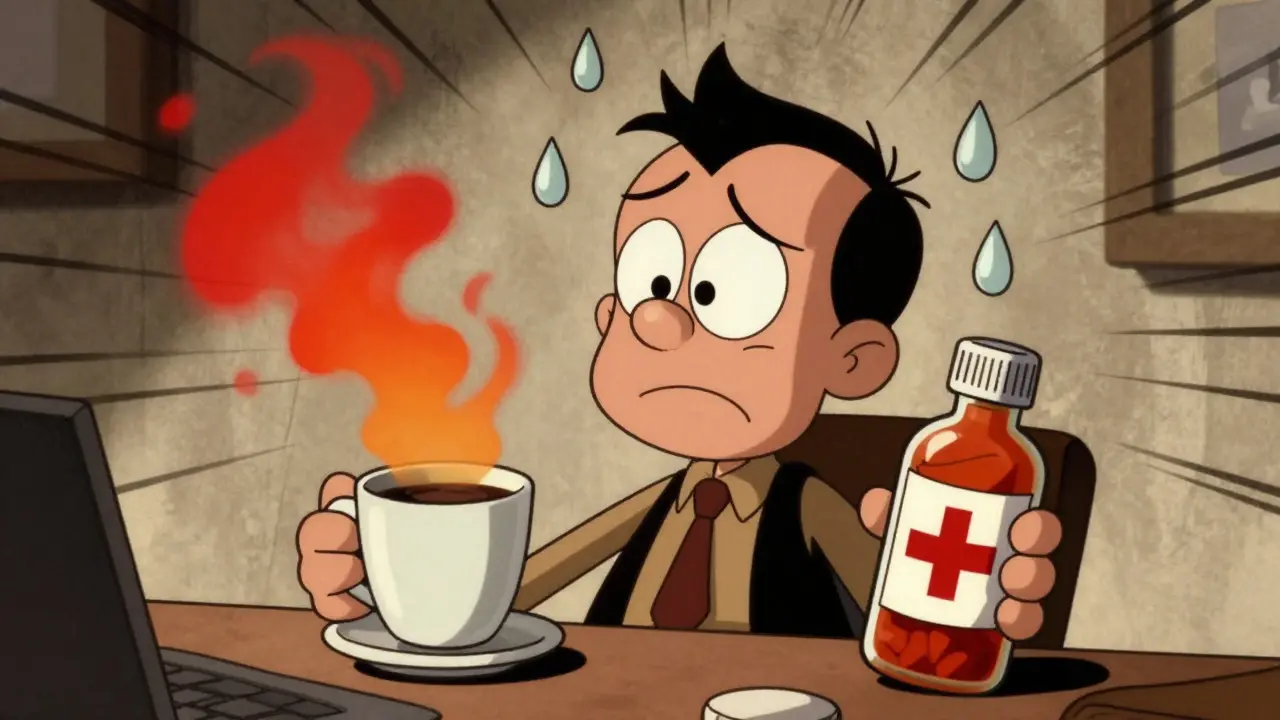
It’s a common morning ritual. You grab your coffee, take your prescribed ADHD medication is a class of drugs used to treat attention deficit hyperactivity disorder, primarily including stimulants like amphetamines and methylphenidate., and head into the day expecting peak focus. But what if that cup of joe isn’t just boosting your energy-it’s quietly amplifying your heart rate or triggering anxiety? The relationship between Caffeine is a central nervous system stimulant found in coffee, tea, and energy drinks that increases alertness by blocking adenosine receptors. and prescription stimulants is complex. While some people report better concentration, others face a crash that feels like hitting a brick wall. Understanding this interaction is crucial for anyone managing ADHD.
The Science Behind the Interaction
To understand why mixing these substances can be tricky, we need to look at how they work in your brain. Both caffeine and ADHD medications are stimulants, but they operate differently. Caffeine works by blocking adenosine, a chemical that makes you feel tired. This leads to an indirect increase in dopamine and norepinephrine. Prescription stimulants like Adderall is a brand name for a combination of amphetamine salts used to treat ADHD and narcolepsy, acting as a potent reuptake inhibitor. directly force neurons to release more dopamine and prevent its reabsorption.
When you combine them, you’re stacking two mechanisms that raise neurotransmitter levels. A 2016 meta-analysis published in the Journal of the American Academy of Child & Adolescent Psychiatry noted that while both increase dopamine, prescription stimulants are approximately 3-5 times more effective for core ADHD symptoms than caffeine alone. However, the synergy isn’t always positive. Dr. Charles Parker, author of 20 Instant Lessons for ADHD, explains that this combination creates a synergistic effect that amplifies both therapeutic benefits and side effects. It’s not just about feeling "more" focused; it’s about the intensity of the physiological response.
The half-life differences also play a major role. Caffeine has a half-life of 3-7 hours (averaging 5 hours), meaning it stays in your system longer than many short-acting medications. Adderall components have half-lives ranging from 9-13 hours. When these timelines overlap, the cumulative load on your cardiovascular system increases significantly.
Risks: What Happens When You Mix Them?
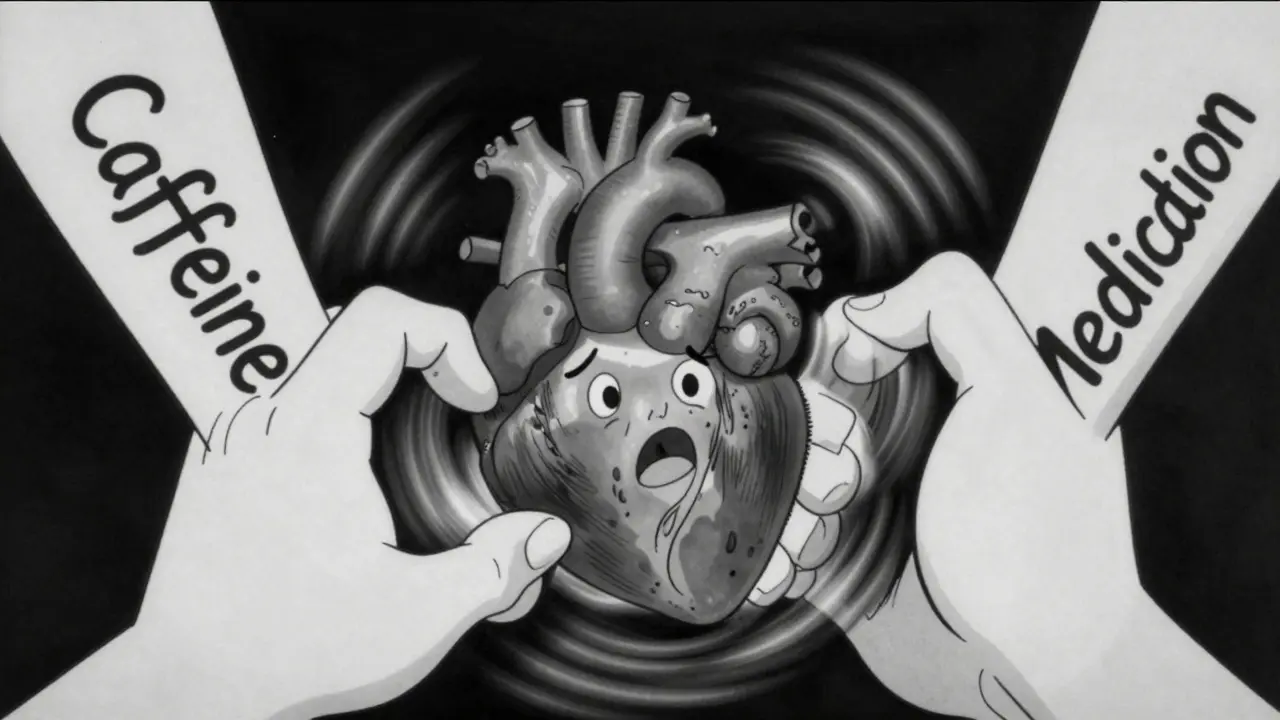
The most immediate risks involve your heart and mental state. Combining two CNS stimulants without medical supervision can lead to significant health issues. According to data cited by Dr. David Goodman from Johns Hopkins University, combining these substances increases the risk of tachycardia (rapid heartbeat) by 37% and hypertension (high blood pressure) by 29%. These aren’t minor fluctuations; they are clinically significant spikes that strain the heart.
- Anxiety and Jitters: Many users report heightened anxiety. On Reddit’s r/ADHD community, 59% of respondents who mixed caffeine with Adderall experienced increased anxiety compared to those who didn’t.
- The Crash: As the caffeine wears off faster than the medication, or vice versa depending on the formulation, you may experience a severe energy drop. User u/ConcentratedChaos described feeling "amazing until hour 3, then crashing hard with severe anxiety."
- Gastrointestinal Distress: Stimulants can irritate the stomach lining. A 2021 study in the Journal of Psychopharmacology found that 45% of combination users reported GI issues.
For children and adolescents, the American Academy of Pediatrics specifically cautions against combining caffeine with prescription stimulants due to developing cardiovascular systems. The FDA has not approved caffeine as an ADHD treatment, precisely because its effects are unpredictable and harder to dose accurately than pharmaceutical options.
Is There Any Benefit? The Role of L-Theanine
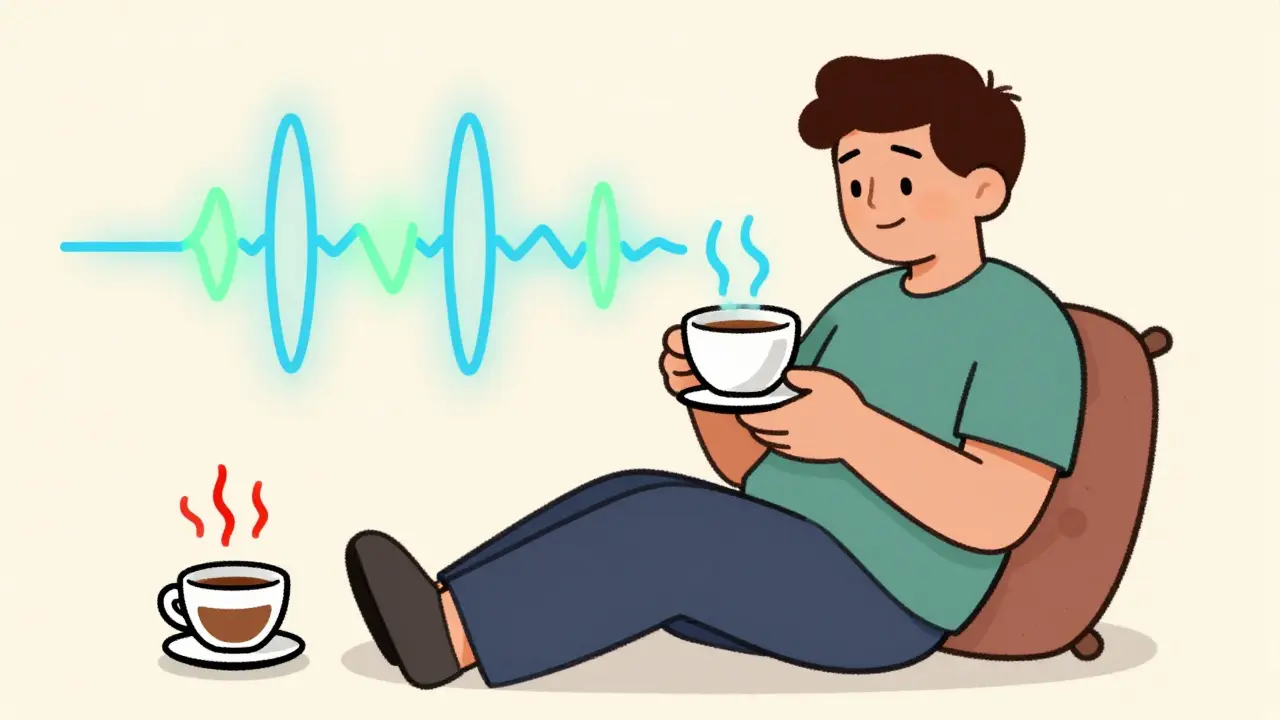
Not all interactions are negative. Some research suggests that adding a third component can mitigate the downsides. L-Theanine is an amino acid found in tea leaves that promotes relaxation without drowsiness by increasing alpha brain waves. has emerged as a potential buffer. A 2020 study by Kahathuduwa et al., involving boys diagnosed with ADHD, showed that while caffeine alone worsened inhibitory control, the combination of L-theanine and caffeine improved total cognition scores.
The mechanism here is interesting. L-theanine decreases GABA levels (which can reduce overthinking) while caffeine increases glutamate (supporting alertness). This balance may help smooth out the "jittery" edge of stimulants. Preliminary data from a 2023 NIH-funded study suggests a 3:1 ratio of L-theanine to caffeine might be optimal. If you’re looking to use caffeine alongside your meds, pairing it with L-theanine could offer a safer profile than black coffee alone.
| Feature | Caffeine | Prescription Stimulants (e.g., Adderall) |
|---|---|---|
| Mechanism | Adenosine blocker | Dopamine/Norepinephrine reuptake inhibitor |
| Efficacy for ADHD | Mild (60-70% less effective than Rx) | High (Gold standard) |
| Half-Life | 3-7 hours | 9-13 hours |
| Regulation | Unregulated (Food/Supplement) | FDA Approved Prescription |
| Cardiovascular Risk | Moderate (Dose-dependent) | High (Especially when combined) |
Practical Strategies for Safe Consumption
If you choose to consume caffeine while on ADHD medication, timing and dosage are your best tools. The Granite Mountain Behavioral Health Center recommends waiting at least 4-5 hours between taking your medication and consuming caffeine. This spacing allows the initial peak of the medication to settle, reducing the risk of overlapping maximum concentrations in your bloodstream.
Start low. Board-certified psychiatrist Dr. Ned Hallowell advises starting with no more than 100mg of caffeine (roughly one small coffee) while on stimulants. Monitor your body closely. Use wearable devices to track your heart rate and keep a journal of your symptom severity using scales like the ASRS-v1.1. This learning curve typically takes 2-4 weeks.
Be aware of hidden sources. Chocolate, energy drinks, and even some pain relievers contain caffeine. The FDA warns that supplements labeled as "energy-boosting" must list caffeine content if it exceeds 50mg per serving, but many consumers overlook this. For individuals with cardiac conditions, the American Heart Association recommends a strict limit of 200mg daily, which is particularly relevant given that 23% of adult ADHD patients have comorbid cardiovascular issues.
Genetics and Metabolism: Why It Works for Some, Not Others
Your genes play a surprising role in how you handle this mix. The enzyme CYP1A2 is responsible for metabolizing caffeine. A 2022 study in the Pharmacogenomics Journal found that 40% of the population are "slow metabolizers." If you fall into this category, caffeine stays in your system much longer, increasing the window for adverse interactions with your ADHD meds. Fast metabolizers process caffeine quickly, potentially experiencing fewer side effects but also shorter duration of benefit.
This genetic variability explains why one person can drink three espressos with their Adderall and feel fine, while another gets palpitations from a single sip. Until personalized medicine approaches become standard, trial and error-under medical supervision-is the only way to determine your tolerance.
Can I drink coffee with my ADHD medication?
Yes, but with caution. It is generally safe for healthy adults if monitored carefully. However, you should space them out by 4-5 hours to avoid peak interaction. Start with a low dose (under 100mg) and monitor for anxiety or heart palpitations. Always consult your doctor first.
Does caffeine make Adderall stronger?
It can amplify the effects, but not necessarily the therapeutic benefits. Caffeine may increase the feeling of stimulation, but studies show it does not significantly improve ADHD symptom management compared to medication alone. Instead, it often increases side effects like jitteriness and anxiety.
What are the dangers of mixing caffeine and stimulants?
The primary dangers include increased heart rate (tachycardia), high blood pressure (hypertension), and heightened anxiety. In severe cases, this combination can lead to panic attacks or cardiovascular strain. The risk is higher for slow caffeine metabolizers and those with pre-existing heart conditions.
Is L-theanine safe to take with ADHD meds?
L-theanine is generally considered safe and may help reduce the jittery side effects of stimulants. Research suggests it can improve cognitive performance when paired with caffeine. However, you should still discuss any supplement additions with your healthcare provider to ensure they don't interfere with your specific medication regimen.
How long should I wait after taking Adderall before drinking coffee?
Clinical guidelines suggest waiting at least 4-5 hours. This allows the initial peak of the medication to pass, reducing the likelihood of overlapping maximum concentrations in your blood, which minimizes the risk of cardiovascular side effects.
Alexa Mack
May 3, 2026 AT 08:22I actually tried the L-theanine thing mentioned in the post and it was a game changer for my jitters. It’s wild how much smoother the ride feels when you don’t have that sharp edge to the stimulation. I usually mix it with green tea instead of coffee just to keep the caffeine lower, but the amino acid really does seem to take the edge off without making me sleepy. Has anyone else found a specific brand that works better than others? I feel like some are just filler.
Bradley Gusick
May 3, 2026 AT 13:08They want you dependent on the meds so you never question why your attention span is shot in the first place. It’s all about control. The government pushes these stimulants while ignoring the environmental toxins that are actually frying our brains. Don’t fall for the synergy narrative; it’s just another way to keep you compliant and buying their little pills. Wake up people! 🚩
Robert Cowley
May 5, 2026 AT 02:24You know what’s funny? Everyone here acting like they’re scientists because they read one abstract. The truth is nobody knows exactly how their own brain works. You take the pill, you drink the coffee, you survive or you don’t. It’s not a precise science, it’s Russian roulette with your dopamine receptors. Stop pretending there’s a safe zone when every single person reacts differently. It’s chaos wrapped in a white coat. 😤
Sarah Mifsud
May 5, 2026 AT 16:05i totally get what u/8632 is saying about the l-theanine. i started taking it last month after reading similar stuff online and honestly it helped me not feel so anxious during the afternoon crash. its weird how such a small change made a big difference. maybe try looking for pure powder forms since capsules can be pricey? just a thought from someone who also struggles with the jitters sometimes.
Srinivas Komakula
May 7, 2026 AT 10:51The pharmacokinetic interaction between methylphenidate/amphetamine salts and caffeine is often misunderstood by laypersons due to a lack of understanding regarding hepatic enzyme CYP1A2 metabolism rates. While the article correctly identifies the additive sympathomimetic effects, it fails to adequately address the potential for competitive inhibition at the transporter level which could theoretically alter bioavailability. Furthermore, the assertion that L-theanine mitigates side effects is based on limited clinical trials with small sample sizes that do not account for genetic polymorphisms in COMT activity. One must consider the half-life discrepancies more rigorously before advising concurrent administration without rigorous therapeutic drug monitoring. The cardiovascular strain is not merely 'moderate' but potentially arrhythmogenic in susceptible phenotypes.
Rebekah Korak
May 9, 2026 AT 03:09Let us delve deeper into the existential crisis of reliance on external chemical crutches for basic cognitive function. Is it truly focus we seek, or merely the illusion of productivity in a society that demands constant output? The combination of caffeine and pharmaceuticals creates a false sense of agency, masking the underlying dissonance of the modern condition. We become slaves to the cycle of stimulation and depletion, believing we are masters of our minds when we are merely passengers on a chemical rollercoaster designed by Big Pharma. The jitteriness is not just a side effect; it is the soul screaming against the artificiality of forced alertness. Perhaps the real disorder is the environment that makes natural attention impossible to sustain. We should question the premise of treatment rather than optimizing the dosage of our own enslavement. It is a philosophical trap disguised as medical advice.
Christina Lancey
May 10, 2026 AT 11:31I think it is important to remember that everyone's body is different. What works for one person might not work for another, and that is okay. I have found that spacing out my medication and caffeine helps me stay calm and focused throughout the day. It took some trial and error, but now I feel much more balanced. Keep experimenting gently with your routine until you find what feels right for you.
Halle Dagley
May 11, 2026 AT 16:51It is absolutely imperative that citizens adhere strictly to the prescribed protocols outlined by medical authorities regarding stimulant consumption. The deviation from established guidelines poses an unacceptable risk to public health and individual well-being. One must not engage in self-medication or unsupervised experimentation with dietary supplements such as L-theanine without explicit approval from a licensed physician. The integrity of the healthcare system relies upon strict compliance and adherence to regulatory standards. Any disregard for these instructions is tantamount to negligence and jeopardizes the safety of the entire community. We must uphold the highest standards of discipline and obedience to ensure optimal outcomes for all individuals diagnosed with attention deficit disorders.
Lando Neal
May 12, 2026 AT 09:39I have been tracking my heart rate using my smartwatch whenever I take my meds. It is fascinating to see the spike if I drink coffee too soon after taking the pill. I usually wait about four hours just to be safe. It seems like a small thing but the data doesn't lie. I feel much better when I respect the timing window. Have you guys tried wearing any trackers to see the actual impact?
Leah Sentz
May 14, 2026 AT 08:50Ugh why does everything have to be so complicated?! 😡 I just want to drink my coffee and take my meds without worrying about exploding! These doctors are always trying to scare us with statistics and warnings. It’s so frustrating when you just want to get through the day without feeling like a zombie or a hyperactive kid. Why can’t we just live our lives normally without all this nonsense? 😭😤
Preety Singh
May 15, 2026 AT 16:36One would assume that basic biological literacy is common knowledge among adults yet the casual dismissal of cardiovascular risks displayed here is quite concerning. The suggestion that one can simply 'try' combining potent CNS stimulants with recreational caffeine intake reflects a troubling ignorance of physiological limits. It is not a matter of personal preference but of medical necessity to avoid adverse events. Those who choose to ignore evidence-based guidelines do so at their own peril and demonstrate a lack of intellectual rigor. The complexity of neurochemistry should command respect not reckless experimentation.