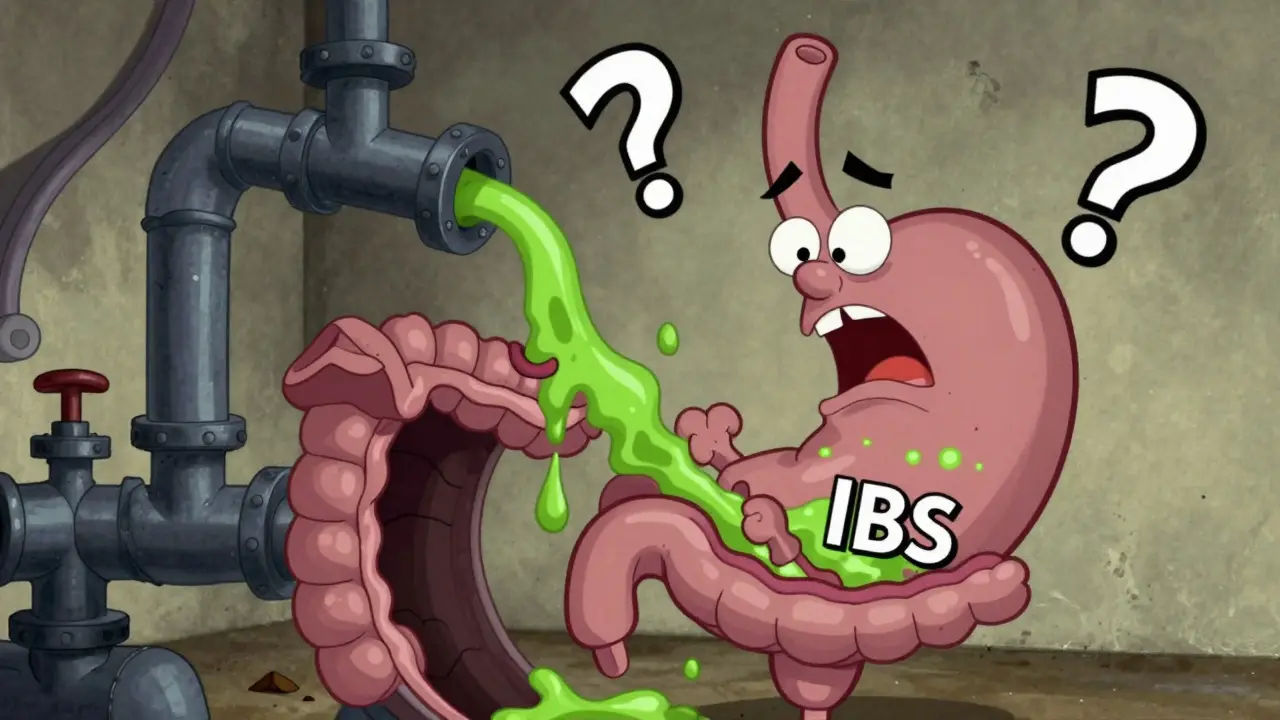
Imagine spending years being told you have "just a sensitive stomach" or Irritable Bowel Syndrome (IBS), only to find out your body is actually struggling to recycle a specific digestive fluid. That is the reality for many people with Bile Acid Diarrhea is a gastrointestinal condition where excess bile acids reach the colon, causing chronic, watery stools. Also known as Bile Acid Malabsorption (BAM), it is often the "hidden" cause behind IBS-D symptoms.
Bile acids are produced by the liver and stored in the gallbladder to help you digest fats. Normally, about 95% of these acids are reabsorbed in the final part of the small intestine (the terminal ileum) and sent back to the liver. But when this system breaks down, the acids spill into the large intestine. This irritates the lining of the colon, triggers water secretion, and speeds up how fast things move through your gut. The result? Urgent, watery diarrhea that can disrupt every part of your day.
Who actually gets this condition?
Not all cases of BAM are the same. Doctors generally group them into three categories. Type I usually happens because of physical damage to the ileum, such as from Crohn's disease
a type of inflammatory bowel disease that can cause scarring or removal of the terminal ileum or surgical resection. Type II is "idiopathic," meaning there is no obvious structural problem, but the body just isn't absorbing the acids correctly. Type III is secondary to other issues, like certain infections or other GI disorders.
It is surprisingly common. Research suggests that 25% to 30% of people diagnosed with IBS-D actually have BAD. Because the symptoms overlap so much, many people go through a six-year diagnostic delay before getting the right answer. If you find yourself dealing with nocturnal defecation-waking up in the middle of the night to use the bathroom-it is a major red flag that your issue might be organic, like BAM, rather than functional like IBS.
How to get a proper diagnosis
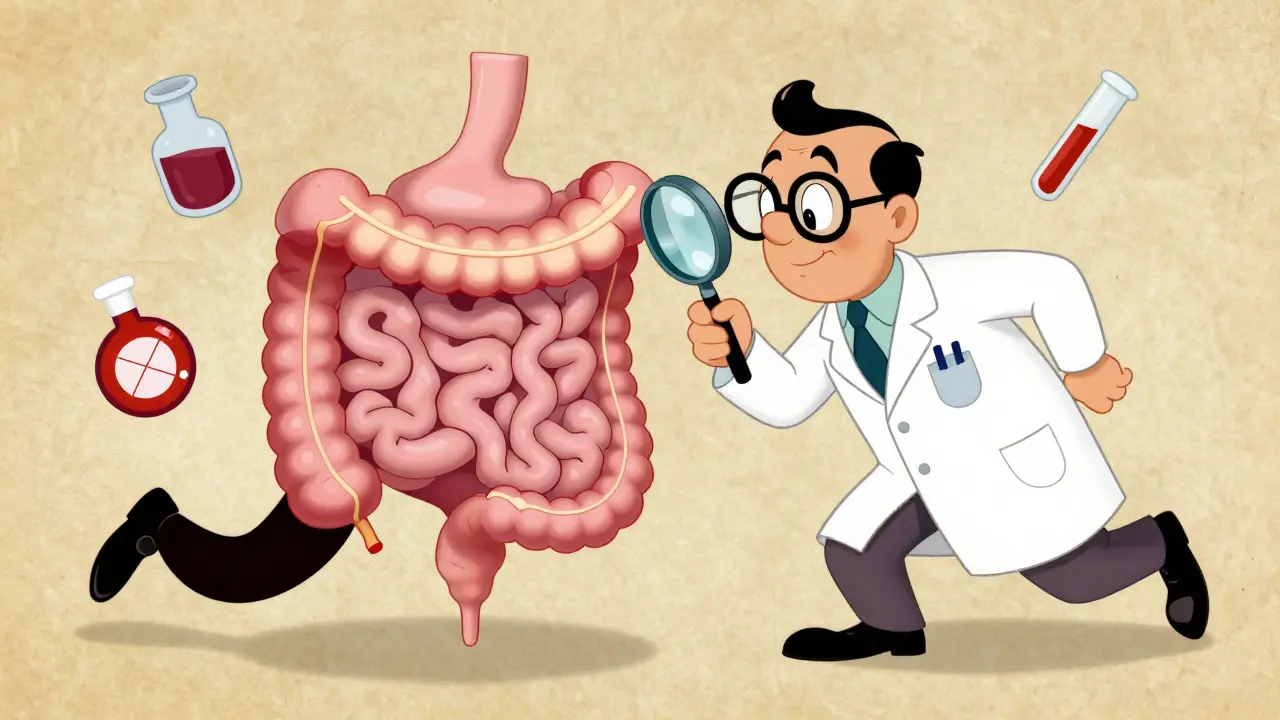
Getting a diagnosis isn't always straightforward because the "gold standard" tests aren't available everywhere. If you suspect your digestion is off, you'll likely encounter one of these methods:
- The SeHCAT Test: This is the most accurate method in Europe. It involves a small amount of a radioactive tracer (selenium-75) that mimics bile acids. If less than 15% of the tracer remains in your body after seven days, it confirms severe malabsorption.
- Fecal Bile Acid Testing: This measures the total amount of bile acids in your stool over 48 hours. It is more common in the US but requires a specialized lab.
- Serum C4 Testing: A blood test that looks for a specific marker (7α-hydroxy-4-cholesten-3-one). Levels above 15.3 ng/mL usually point toward BAD.
- FGF-19 Testing: Another blood marker where levels below 85 pg/mL can indicate the condition.
Because these tests can be hard to access, some doctors use a "therapeutic trial." They prescribe a binder medication, and if your symptoms vanish within 48 to 72 hours, it's a strong indicator that bile acids were the culprit.
Managing symptoms with bile acid binders
Once diagnosed, the goal is to stop the bile acids from irritating your colon. This is where Bile Acid Binders
medications known as sequestrants that bind to bile acids in the intestine, preventing them from reaching the colon come in. These drugs act like a sponge, soaking up the acids so they can be passed safely in the stool.
| Medication | Common Dosage | Pros | Cons |
|---|---|---|---|
| Cholestyramine | 4g once or twice daily | Long track record, widely available | Chalky taste, higher risk of constipation |
| Colestipol | 5g once or twice daily | Similar efficacy to Cholestyramine | Can still be unpleasant to take |
| Colesevelam | 1.875-3.75g daily | Best tolerability, lower constipation rate | Often more expensive without insurance |
While these medications are highly effective-with about 70% of patients seeing a major improvement-they aren't without quirks. The "chalky" texture of older binders like Cholestyramine leads many people to quit the medication. A pro tip for those struggling with the taste is to mix the powder into a flavored beverage or a thick smoothie to mask the texture.
Dietary shifts to calm the colon
Medication does the heavy lifting, but your diet controls how much bile your liver releases. Since fat is the primary trigger for bile production, managing your intake can significantly reduce the load on your colon.
The Low-Fat Approach
Reducing your fat intake to between 20 and 40 grams per day can be a game-changer. Some patients find that keeping fat below 30 grams daily reduces their stool frequency by as much as 40%. Avoid fried foods, heavy creams, and fatty cuts of meat. Instead, focus on lean proteins and steamed vegetables.
The Power of Soluble Fiber
Not all fiber is created equal. Insoluble fiber (like wheat bran) can sometimes act like a scrub brush and irritate an already sensitive colon. Soluble fiber, specifically
Psyllium Husk
a soluble fiber that forms a gel in the gut, helping to bind bile acids and bulk up stools , is your best friend here. Taking 5-10 grams of psyllium husk daily can help absorb excess bile and improve stool consistency.
Meal Patterns and Timing
Eating three large meals often causes a massive "dump" of bile acids into the system. Switching to 5-6 smaller meals throughout the day prevents this surge and can reduce the urgency you feel after eating. Additionally, be cautious with caffeine and artificial sweeteners like sorbitol, both of which can speed up colonic motility and make the diarrhea worse.

Combining strategies for the best results
For most people, the magic happens when you combine binders with a tailored diet. A common successful routine involves taking 5g of psyllium husk before a meal that contains less than 25g of fat. This double-layered approach-binding the acids with fiber and medication while limiting the production of new acids-provides the most stable results.
It takes time to figure out your personal triggers. A 4-week elimination diet is often the most effective way to identify which fats or sweeteners cause your specific flares. Keep a detailed log of what you eat and when the urgency hits; this data is invaluable for your gastroenterologist when adjusting your medication dosages.
Can I take bile acid binders forever?
Yes, for many people with Type II (idiopathic) BAM, binders are a long-term management tool. They are generally safe for prolonged use, though you should monitor your vitamin levels, as some binders can interfere with the absorption of fat-soluble vitamins (A, D, E, and K).
Why do I feel constipated after starting binders?
Binders work by absorbing fluid and bile, which can slow down the gut too much. If you're struggling with constipation, try reducing the dose slightly or increasing your water intake. Colesevelam is generally less likely to cause this than older options like Cholestyramine.
Is there a difference between BAM and IBS?
Yes. IBS is a functional disorder (how the gut works), whereas BAM is a biochemical issue (what is in the gut). The key is that BAM is treatable with specific medications, whereas IBS management is more about general symptom control.
Does a low-fat diet cure Bile Acid Diarrhea?
It doesn't cure the underlying malabsorption, but it manages the symptoms. About 60% of patients find relief through diet alone, though most benefit from a combination of diet and medication.
Which test is the most reliable?
The SeHCAT test is widely considered the gold standard due to its high accuracy in measuring bile acid retention. If you are in the US where SeHCAT is rare, the 48-hour fecal bile acid test is the most reliable alternative.
Next steps and troubleshooting
If you are currently struggling with unexplained diarrhea, start by documenting your "urgent" moments. Do they happen shortly after a fatty meal? Do you wake up at night? Bring this log to your doctor and specifically ask about Bile Acid Diarrhea rather than accepting a general IBS diagnosis.
If you've started binders but hate the taste, try mixing the powder into apple sauce or a protein shake. If you're dealing with high costs for medications like Colesevelam, ask your doctor about generic alternatives or patient assistance programs. For those who don't respond to standard binders, ask your specialist about emerging FGF19 analog therapies, which are currently showing promise in clinical trials for refractory cases.
Jon lee
April 15, 2026 AT 21:51Glad to see this being talked about because so many people just suffer in silence thinking it's just bad luck with food. If anyone is feeling overwhelmed, just take it one step at a time with your doctor!
Agatha Deo
April 17, 2026 AT 03:18Oh sure, let's just trust the "gold standard" radioactive tracer tests. I'm sure the medical industrial complex has nothing to gain by keeping us in a loop of IBS diagnoses for six years while they push these expensive binders. It's almost like they want us dependent on synthetic resins instead of looking at why our systems are failing in the first place. Truly shocking.
Tama Weinman
April 18, 2026 AT 07:29It's funny how people just blindly follow these guidelines without realizing that most of these "approved" medications are just band-aids for a deeper systemic collapse. I've seen this a thousand times and the lack of critical analysis regarding the liver's role in this entire cycle is just embarrassing. But hey, keep taking your chalky powder if that makes you feel secure.
Cheryl C
April 18, 2026 AT 22:57Omg i tried the apple sauce trick and it actually works!! 🍎 American doctors are the best for these meds even if the taste is gross lol 🇺🇸🇺🇸 stay strong everyone!! 💪✨
Richard Moore
April 20, 2026 AT 03:00I actually disagree with the idea that diet alone is a viable path for everyone here. Some of us have actual structural damage from Crohn's and no amount of steaming vegetables is going to fix a missing piece of the ileum! 😤 We need to be clear that medication is a necessity, not a suggestion! 💊
Rob Schlautman
April 21, 2026 AT 22:50it is honestly just so typical that we are expected to just mix this stuff into a smoothie and pretend everything is fine when the actual reality of the situation is that the healthcare system is designed to make us suffer through a decade of guesswork before someone finally decides to run a test that actually means something and now we are just playing chemist in our own kitchens trying to mask the taste of industrial minerals with some frozen blueberries which is just a tragedy in itself if you think about the sheer indignity of it all
Nell O'Leary
April 22, 2026 AT 15:50The efficacy of Colesevelam is definitely superior regarding the titration of bile acid sequestrants due to its higher potency and lower incidence of gastrointestinal transit inhibition. I've noticed a significant reduction in my colonic motility issues since switching from the older resins (^_^)
Nathan Berlin
April 22, 2026 AT 20:51william wang
April 24, 2026 AT 08:01I've had a few patients mention that the psyllium husk helps significantly with the consistency, but it's really important to stay hydrated. If you increase fiber without water, you might accidentally trade the diarrhea for severe constipation, which just adds another layer of frustration to the whole process.
Colleen Tankard
April 24, 2026 AT 14:55Just vibing with the low-fat life over here 🥗 it's actually not too bad once you get used to it! ✨
Sophia Rice
April 25, 2026 AT 04:45I tried talking to my doc about this but he just kept saying it was stress... hope this helps other pepole get a real answer!!
Theresa Griffin MEP
April 25, 2026 AT 14:48Clinical adherence is paramount. One must maintain a rigorous log of dietary triggers to optimize pharmacological outcomes.
Nikki Grote
April 27, 2026 AT 03:54For those struggling with the idiopathic Type II variety, it's worth looking into the enterohepatic circulation dynamics. If the FGF-19 levels are low, you're essentially dealing with a feedback failure where the liver just keeps pumping out bile regardless of the gut's capacity. That's why the binders are so crucial-they act as a chemical surrogate to manage the osmotic load in the colon and prevent the secretagogue effect that leads to those urgent watery stools. It's a complex biochemical loop, but once you understand the pathophysiology, the treatment makes much more sense.