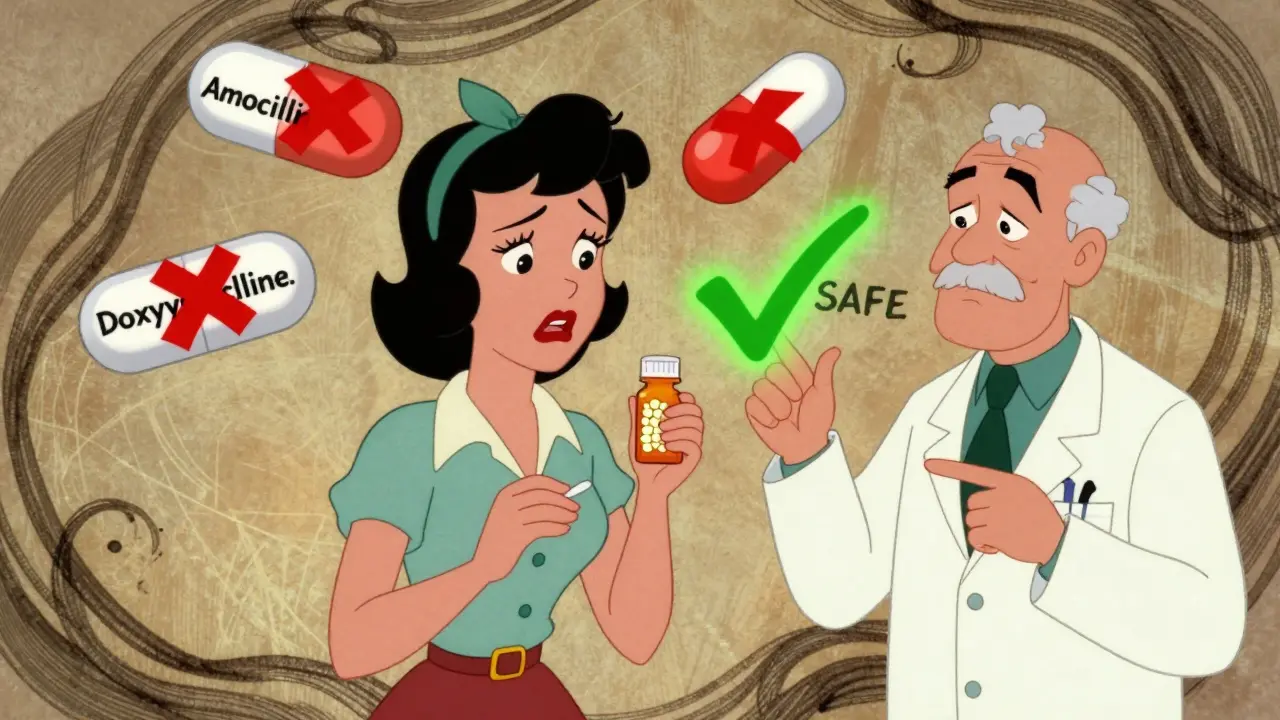
For decades, women have been told to use backup contraception when taking antibiotics. But here’s the truth: most antibiotics don’t affect birth control pills. The fear isn’t based on science-it’s based on old stories, pharmacist advice, and confusion. If you’re on the pill and need antibiotics, you likely don’t need to panic. But there’s one critical exception you absolutely must know about.
Why This Myth Keeps Coming Back
The idea that antibiotics ruin birth control started in the 1970s. Back then, a few women became pregnant while taking both the pill and antibiotics. Doctors assumed the antibiotics were to blame. But later studies showed something else was happening: those women were also vomiting or having diarrhea from infections, which made them miss pills or absorb less hormone. In some cases, they were taking a very specific antibiotic-rifampin-that actually does interfere. But the message got stuck: “All antibiotics break the pill.” Fast forward to today, and you’ll still hear it. Reddit threads, Facebook groups, even some pharmacists still tell women to use condoms during antibiotic treatment. A 2022 Planned Parenthood survey found 62% of patients believed antibiotics reduce birth control effectiveness. That’s not just misinformation-it’s causing unnecessary stress and extra costs for condoms or emergency contraception.The Only Antibiotics That Actually Matter
Not all antibiotics are the same. Most-like amoxicillin, azithromycin, doxycycline, metronidazole, and ciprofloxacin-have been studied over and over. A 2011 review in Contraception looked at 14 clinical studies and found zero evidence that these drugs lower hormone levels in the blood. The CDC, ACOG, and the FDA all agree: these antibiotics do not affect the pill. The only antibiotics that do interfere are rifampin (Rifadin) and rifabutin (Mycobutin). These are used almost exclusively to treat tuberculosis and some serious bacterial infections. They work by speeding up liver enzymes that break down hormones. Studies show rifampin can cut ethinyl estradiol (the estrogen in birth control) by 25-50% and progestin by up to 37%. That’s enough to put you at risk of ovulation. There’s also griseofulvin, an antifungal used for stubborn nail or skin infections. It’s not an antibiotic, but it has the same enzyme-boosting effect. Both rifampin and griseofulvin are classified as Category 3 interactions by the CDC-meaning the risk outweighs the benefit.What About Other Medications?
If you’re thinking, “What about other drugs?”-good question. Antibiotics aren’t the only offenders. Several other medications can reduce birth control effectiveness:- Lamotrigine (for epilepsy) at doses over 300 mg/day
- Topiramate (for seizures or migraines) at doses over 200 mg/day
- Efavirenz and nevirapine (HIV medications)
- St. John’s wort (herbal supplement for depression)

What Should You Do?
Here’s the practical guide based on real medical guidelines:- If you’re prescribed rifampin or rifabutin: Use backup contraception (condoms, diaphragm, or copper IUD) for 28 days after your last dose. This applies to all hormonal methods-pills, patch, and ring.
- If you’re prescribed any other antibiotic: No backup needed. Continue taking your pill as usual. You don’t need to skip doses or change your routine.
- If you’re prescribed griseofulvin: Use backup contraception for one month after treatment ends.
- If you’re unsure: Ask your doctor or pharmacist: “Is this antibiotic an enzyme inducer?” If they say “no,” you’re safe.
What About Diarrhea or Vomiting?
This is where things get tricky. If you get sick while on antibiotics-vomiting within two hours of taking your pill or having severe diarrhea-you might not have absorbed enough hormone. That’s a real risk. The pill doesn’t fail because of the antibiotic. It fails because your body didn’t absorb it. In those cases, follow the same rules as if you missed a pill:- Take another pill as soon as you can.
- Use backup contraception for the next 7 days.
- If you’re vomiting repeatedly, consider switching to a non-oral method (patch, ring, or IUD) until you’re back on your feet.
Why Do Pharmacists Still Say “Use a Backup”?
A 2022 study in the Journal of the American Pharmacists Association found that 35% of pharmacists still advise backup contraception for all antibiotics. Why? Because they’re afraid of liability. They’ve been told for decades to be cautious. They don’t always know the latest guidelines. And when a patient asks, “Is this safe?” the safest answer for them is “Use a condom.” It’s not their fault. It’s a system problem. Medical knowledge changes faster than training updates. But as a patient, you have the right to ask: “Is there research behind this?”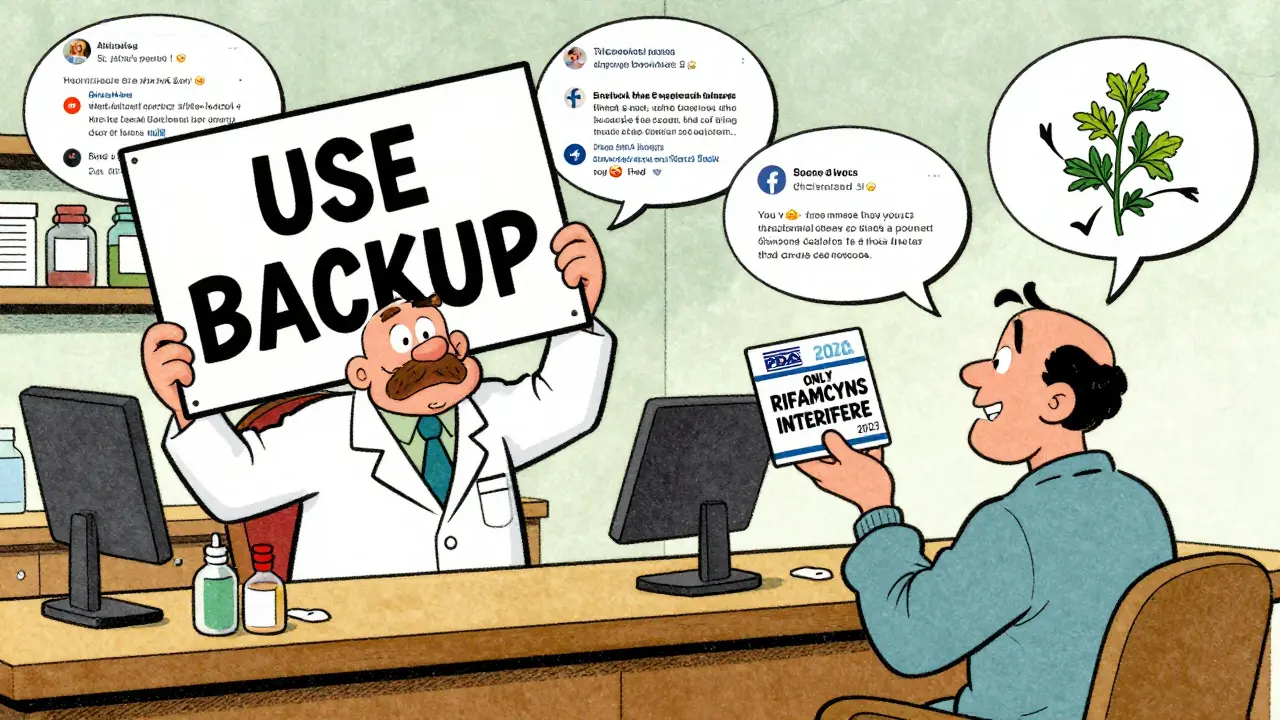
Real Stories, Real Confusion
One woman on Healthgrades wrote: “I got pregnant while on rifampin for TB. I thought the pill was enough.” Another said: “I took amoxicillin 10 times while on birth control. Never had an issue.” The difference? One took a dangerous drug. The other took a safe one. But without clear info, both assumed the same risk. Social media is full of fear. Facebook groups get 200 questions a month about antibiotics and birth control. But the science is clear: only a handful of drugs are dangerous. The rest? Just noise.What’s Changing?
In January 2023, the FDA updated labels on all hormonal contraceptives. Now they clearly state: “Rifampin, rifabutin, and griseofulvin may reduce effectiveness. Other antibiotics do not.” This is huge. It’s official. It’s written in black and white. And doctors are catching up. A 2023 survey of 500 OB/GYNs found 98% agreed: only rifamycins require backup contraception. That’s near-universal consensus.Bottom Line
You don’t need to double up on protection every time you take an antibiotic. The vast majority of antibiotics are completely safe with birth control. The only exceptions are rifampin, rifabutin, and griseofulvin-and those are rare. If you’re prescribed one of those three, use backup for 28 days. If you’re prescribed amoxicillin, azithromycin, doxycycline, or any other common antibiotic, keep taking your pill. No changes needed. And if someone tells you otherwise? Ask them: “What’s the evidence?”Do all antibiotics make birth control less effective?
No. Only rifampin, rifabutin, and griseofulvin have been proven to reduce the effectiveness of birth control pills. These are rare and used for specific infections like tuberculosis or stubborn fungal infections. Common antibiotics like amoxicillin, azithromycin, doxycycline, and metronidazole do not interfere with hormonal contraception.
What should I do if I’m prescribed rifampin while on the pill?
Use a backup method of contraception, such as condoms or a copper IUD, for 28 days after your last dose of rifampin. This applies to all hormonal birth control methods-including the pill, patch, and vaginal ring. After 28 days, your hormones will return to normal levels, and your birth control will be effective again.
Can I trust my pharmacist if they say to use backup contraception?
Pharmacists are trained to be cautious, and many still follow outdated advice. While their intent is good, their recommendation may not be based on current guidelines. Ask if the antibiotic is an enzyme inducer. If they say no, or if it’s amoxicillin, azithromycin, or another common antibiotic, you do not need backup contraception. You can also ask for the CDC’s 2021 guidelines on contraceptive interactions.
What if I get sick with vomiting or diarrhea while on antibiotics?
If you vomit within two hours of taking your pill or have severe diarrhea, you may not have absorbed enough hormone. Treat it like a missed pill: take another pill as soon as possible and use backup contraception for the next 7 days. This risk is not caused by the antibiotic itself, but by your body’s ability to absorb the pill during illness.
Is there any evidence that amoxicillin affects birth control?
No. Multiple clinical studies-including a 2011 systematic review in Contraception and a 2020 CDC analysis of 35 trials-have shown that amoxicillin and other penicillin-class antibiotics do not lower hormone levels in the blood. Serum estrogen levels remain within normal ranges during treatment. There is no clinical evidence linking amoxicillin to contraceptive failure.
Why do some doctors still recommend backup contraception?
Some providers recommend backup contraception out of habit or to reduce anxiety-even when it’s not medically necessary. This is often called “defensive medicine.” While it’s harmless, it reinforces a myth. The American College of Obstetricians and Gynecologists (ACOG) clearly states that backup contraception is not required for non-rifamycin antibiotics. If you’re confident in your understanding, you can ask your provider to follow current guidelines.